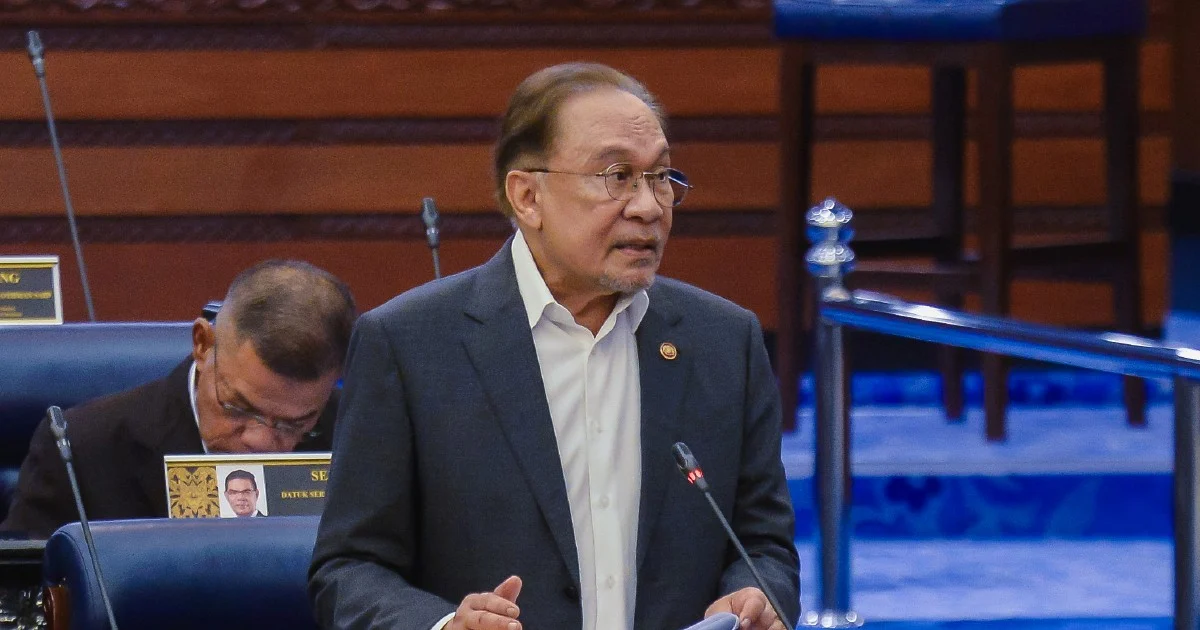
Prime Minister Datuk Seri Anwar Ibrahim has disclosed that the federal government is currently in substantive discussions with Sarawak regarding an increase to the state's special grant under the Malaysia Agreement 1963, signalling a potential shift in how Putrajaya addresses regional fiscal concerns and constitutional obligations to the East Malaysian states.
The MA63, which governs the terms under which Sarawak and Sabah joined the Malaysian federation in 1963, contains specific provisions regarding revenue-sharing and financial allocations to the constituent states. The special grant component has long been a point of contention, with state officials and civil society organisations arguing that the original allocations have become inadequate given the passage of sixty years and the significant increase in state-level expenditures. Sarawak's leadership has consistently raised the matter as a priority in federal-state relations, viewing the grant as integral to the agreement's original spirit.
Anwar's public acknowledgment of these negotiations represents a notable development in centre-state dynamics, particularly given the complexities surrounding implementation of MA63 provisions. The discussions underscore the federal government's recognition that addressing Sarawak's longstanding grievances over resource distribution is essential for maintaining political stability in East Malaysia and strengthening the coalition governments that depend on representation from the region. This approach aligns with Putrajaya's broader strategy of deepening ties with state administrations across the country.
The timing of these negotiations carries significance for Malaysia's broader political landscape. Sarawak, as the largest state by area and a crucial bloc within the federal coalition, wields considerable influence over national politics. Chief Minister Prabowo Subianto's administration has proven willing to engage constructively with federal authorities while maintaining firm positions on state autonomy and rights. Any successful resolution on increased grant allocation would demonstrate both the feasibility and value of negotiated settlements regarding constitutional matters that have historically generated friction.
For context, MA63 guarantees certain protections and financial arrangements that distinguish Sarawak and Sabah from peninsular states. These include provisions on state finance, immigration control, and state legislation in specific domains. However, the adequacy of financial transfers has been a recurring debate, with analysts noting that population growth, infrastructure development demands, and rising public service costs have outpaced the original grant framework. The special grant, in particular, serves as a cushion for state revenues and supports critical social spending.
The negotiations also reflect broader regional aspirations within Sarawak for greater economic development and investment. State officials have linked improved federal funding to their capacity to undertake development initiatives, improve healthcare and education infrastructure, and address rural connectivity challenges. Putrajaya's willingness to engage on this matter suggests recognition that East Malaysia's development trajectory is integral to national economic growth and social cohesion.
From a Malaysian perspective, these discussions carry implications beyond immediate fiscal arrangements. They represent an opportunity to reinvigorate the spirit of the original agreements that brought the country together as a federation. Successful resolution could establish a template for addressing other outstanding constitutional matters and demonstrate that federal structures can evolve to meet contemporary needs without compromising foundational principles.
The negotiations also occur within the context of regional considerations across Southeast Asia. Sarawak's stability and prosperity directly influence bilateral relations with neighbouring Indonesian Kalimantan and Brunei, and demonstrate Malaysia's capacity to manage internal federalism effectively. Countries in the region watch how federal systems handle centre-state tensions, and successful outcomes strengthen Malaysia's institutional credibility.
However, several uncertainties remain regarding the scope and timeline of these discussions. The quantum of any increased grant, the funding mechanisms involved, and the procedural steps required to implement changes remain subjects requiring careful negotiation and potentially legislative attention. Any substantial modification to MA63-related arrangements may require careful handling given the constitutional status of the agreement and its implications for other constitutional provisions.
The pathway forward will likely involve detailed technical discussions between federal and state finance officials, examination of Sarawak's expenditure needs, and consideration of sustainable funding sources. Both governments will need to balance fiscal responsibility with the genuine obligations outlined in the original agreement. Public communication regarding progress will also be important for managing expectations and maintaining transparency.
Looking ahead, the outcome of these negotiations could set precedent for how Putrajaya addresses similar concerns from Sabah and other states, making the discussions particularly significant for federal-state relations more broadly. Success would reinforce a collaborative federalism model where constitutional grievances are addressed through dialogue rather than conflict, strengthening Malaysia's political institutions at a time when institutional trust remains crucial for national development and cohesion.

