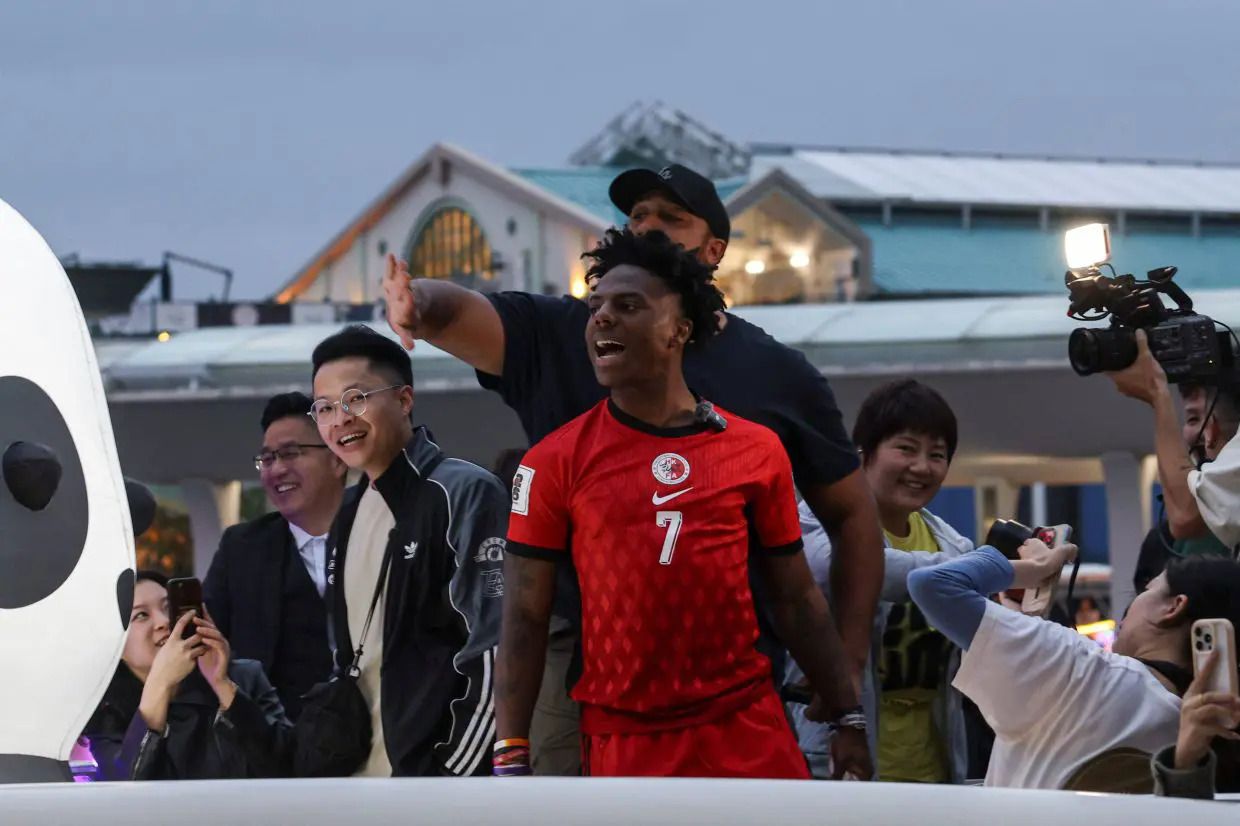
Football's governing body FIFA has commenced a formal investigation into allegations of racist abuse targeting IShowSpeed, one of the world's most prominent digital content creators, following incidents at World Cup matches held in Miami. The probe centres on an encounter involving a supporter and the widely-followed streamer during Argentina's fixture against Cape Verde on July 3, 2026, at Miami Stadium. FIFA announced the investigation through a statement posted on social media platform X on Tuesday, July 7, confirming it had "immediately initiated an investigation" upon learning of the alleged racist insults.
IShowSpeed, the stage name of 21-year-old Darren Watkins Jr, commands an enormous global audience across multiple platforms. His YouTube channel alone boasts over 57 million subscribers, with his total following across various streaming and social media platforms numbering in the tens of millions. The American content creator has become one of the most recognizable figures in digital media, attracting viewers from across the world with his high-energy broadcast style and live commentary on major sporting events.
The streamer's presence at the tournament stems from an exclusive arrangement brokered between FIFA, YouTube, and American broadcaster Fox Sports, granting him special access to attend and livestream World Cup matches directly to his vast audience. This partnership reflects the evolving relationship between international sports organizations and digital media platforms, as traditional broadcasting models increasingly intersect with modern streaming culture. The collaboration effectively extends the World Cup's reach into digital spaces where younger demographics consume sports content, making Watkins' role strategically significant for the tournament's overall media strategy.
FIFA's statement emphasized the organization's zero-tolerance stance on discriminatory behaviour, declaring that "FIFA strongly condemns racism, hate and discrimination in all forms." The governing body reinforced that such actions "have no place in football, at the FIFA World Cup, or anywhere in society." This language reflects international sporting bodies' heightened sensitivity to racism following numerous high-profile incidents in recent years, particularly within football, where discrimination remains a persistent problem despite ongoing efforts to combat it.
The investigation comes amid reports that the incidents extended beyond the initial July 3 confrontation. According to accounts from the stadium, IShowSpeed faced additional racist abuse during Argentina's subsequent match against Egypt on Tuesday, with an Argentine supporter reportedly making offensive monkey-like gestures during a direct encounter with the streamer. The recurrence of such behaviour across multiple matches suggests a concerning pattern rather than an isolated incident, raising questions about crowd management protocols and the stadium environment created during these particular fixtures.
The targeting of digital content creators represents a relatively new dimension in discussions surrounding racism in football. Whereas historical racist abuse in stadiums has typically been directed at players on the field, the harassment of Watkins highlights how social media personalities and broadcasters increasingly occupy roles that make them subjects of potential discriminatory behaviour. This development complicates stadium security responsibilities, as traditional crowd control measures may not adequately address abuse directed at non-player personnel present for media purposes.
For Malaysian and Southeast Asian football followers, these incidents carry particular resonance given the region's diverse populations and its own ongoing struggles with racism and discrimination within sporting contexts. The issue underscores how international standards regarding inclusive behaviour at major sporting events remain inconsistently enforced, and how high-profile tournaments can inadvertently become venues where extremist attitudes surface. FIFA's willingness to investigate indicates that the organization recognizes the seriousness of protecting all individuals present at World Cup venues, not merely competing athletes.
The broader implications of this investigation extend to questions about tournament hosting responsibilities and the expectations placed on nations staging World Cup events. Host countries bear responsibility for ensuring safe, welcoming environments for all attendees, including international media personnel and content creators whose presence contributes to the tournament's global visibility. Failures in this regard reflect poorly not only on the organizing nation but on the tournament itself, potentially damaging its reputation among the digital-native audiences that increasingly comprise modern sports viewership.
IShowSpeed's status as a high-profile American entertainer also injects a geopolitical dimension into the controversy. Racist abuse targeting international guests at a World Cup hosted in the United States carries implications for America's image abroad and could influence perceptions of the host country's commitment to addressing systemic racism. The incidents thus transcend mere disciplinary matters within football administration and touch upon broader questions of national responsibility and international reputation during major sporting events.
As FIFA pursues its investigation, the outcome will likely establish precedent for how the organization addresses racism targeting non-player figures within World Cup venues. Potential sanctions could range from spectator bans to fines levied against stadium operators or national football associations, depending on findings regarding institutional responsibility for crowd conduct. The case will test whether FIFA's stated commitment to eliminating racism from football translates into meaningful enforcement action when high-profile targets are involved.
The incident also raises questions about FIFA's pre-match communications and crowd education initiatives aimed at promoting respectful behaviour. Whether adequate messaging had been deployed to spectators about acceptable conduct toward all individuals present at the stadium—including international content creators and media personnel—remains unclear. Future World Cup hosting arrangements may need to incorporate specific protocols protecting digital media personalities given their increasingly integral role in broadcasting the tournament globally and their vulnerability as recognizable figures present in stadium environments.

