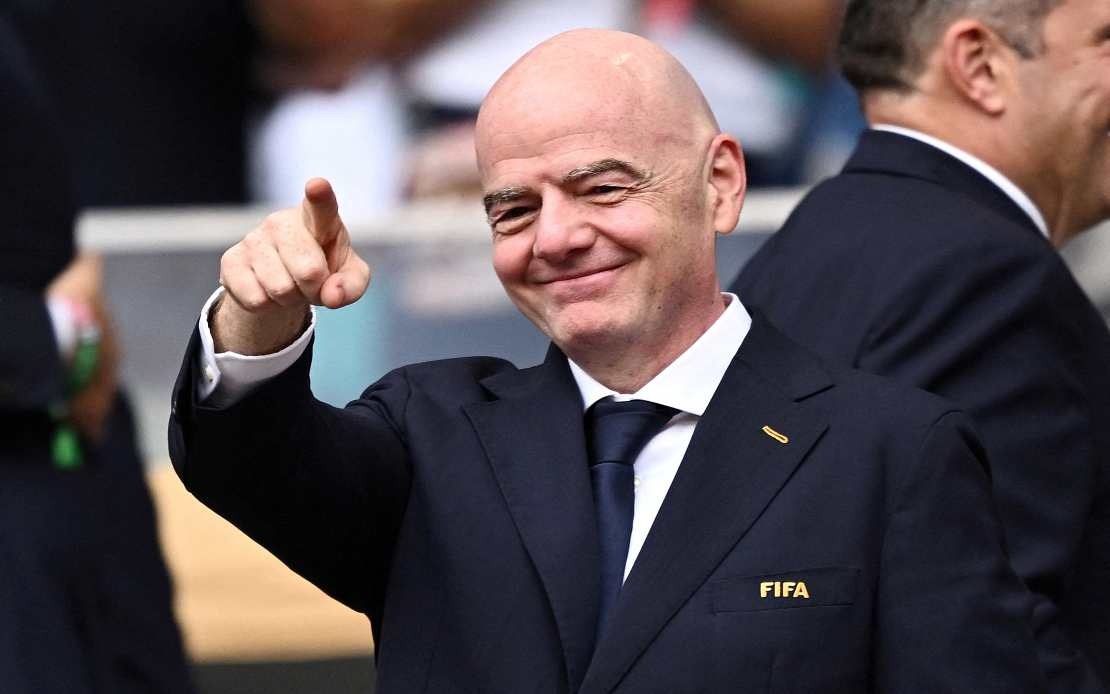
FIFA has engaged in a carefully orchestrated campaign to secure backing for President Gianni Infantino's re-election, distributing pre-written letters of endorsement to national football associations around the world. The correspondence, which arrived before the upcoming FIFA World Cup in the United States, Mexico and Canada, praised Infantino's stewardship of global football and his contributions to infrastructure development and women's football initiatives. What distinguishes this approach from conventional political support is that the letters came with association presidents' names and signatures already inserted, transforming what would normally be an individual expression of confidence into a standardised template requiring minimal engagement from recipients.
The revelation of this letter-writing scheme has raised uncomfortable questions about the authenticity of grassroots support within FIFA's governance structure. While not every national association received copies, the pre-filling of names suggests an administrative process designed to streamline endorsements rather than gather organic backing. This methodology sits uneasily with FIFA's public positioning as a democratic body where member associations exercise independent judgment on leadership matters. For Malaysian observers familiar with domestic political conventions, the practice resembles state-orchestrated consent mechanisms that prioritise appearance over substance.
Infantino's re-election campaign comes at a turbulent moment for the world football governing body. In July, FIFA announced an ambitious fundraising initiative valued at US$4.2 billion, proposing to sell approximately a 20 per cent stake in a newly created entity controlling FIFA's media and commercial rights, including World Cup broadcasting arrangements. This financial restructuring represents one of the most significant shifts in how the organisation monetises its flagship tournament, positioning FIFA to tap into alternative capital sources beyond traditional broadcast revenues.
The proposed investor profile has attracted international scrutiny. Reports indicate that Joshua Kushner, brother of Jared Kushner and member of the Trump family circle, manages a fund under consideration for acquiring the stake. This potential connection between American business interests and FIFA's commercial operations introduces geopolitical dimensions to what ostensibly represents a straightforward capital transaction. For Southeast Asian football stakeholders, such foreign ownership concentration in FIFA's revenue streams carries implications for how broadcast rights and tournament opportunities are distributed across the region.
European football has responded with exceptional severity to the commercial restructuring proposal. UEFA, representing 55 national associations across Europe, announced that all member federations would boycott FIFA tournaments until the proposal was completely withdrawn. This represents an extraordinarily rare moment of unified European defiance against FIFA leadership, signalling deep institutional anxiety about the governance implications of the proposed stake sale. The scale of this response underscores that the campaign supporting Infantino's re-election occurs against a backdrop of profound strategic disagreement within football's global hierarchy.
International media coverage has suggested that Infantino potentially faces pressure intense enough to trigger his resignation. The convergence of the endorsement letter campaign, the controversial commercial restructuring, and the European boycott threat creates a complex political environment where the president's authority appears contested. Whether Infantino's team deployed the pre-written letters as a defensive measure to shore up support or as a proactive consolidation mechanism remains unclear, but the timing demonstrates awareness of vulnerability.
For Malaysian football administrators and stakeholders, these developments carry immediate relevance. The FAM and other Asian football associations occupy a middle position between European resistance and FIFA's commercial ambitions. The distribution of pre-written endorsement letters raises practical questions about how Asian associations should respond when confronted with standardised support mechanisms for international football leadership. This situation tests whether national football bodies possess the institutional independence to assess FIFA governance matters on their merits or whether they remain subject to bureaucratic compliance procedures.
The broader governance narrative emerging from this episode suggests tension between FIFA's centralised administrative structure and the decentralised membership model on which international sports organisations theoretically rest. Pre-written letters from association presidents represent an extreme manifestation of this tension, transforming what should constitute member-directed democratic choice into a controlled communication exercise. This dynamic becomes particularly significant for smaller Asian football associations that may lack resources to conduct independent governance analysis of FIFA's major proposals.
The commercial restructuring proposal itself warrants careful examination from a Southeast Asian perspective. Concentrating media and commercial rights within a new entity potentially controlled by foreign investors could reshape how broadcast opportunities and tournament revenues flow to regional federations. The FAM, alongside other Asian associations, should scrutinise whether such arrangements serve their competitive interests or primarily benefit established football markets in Europe and the Americas. The European boycott threat suggests that fundamental questions about FIFA's accountability structure remain unresolved.
Infantino's record includes substantial investment in football development across Asia, including infrastructure projects and competitive opportunities. However, governance legitimacy cannot rest entirely on development outcomes when institutional processes become questionable. The pre-written letter campaign, whatever its intent, undermines the credibility of the endorsement process itself. For Malaysian observers evaluating international sports governance, this episode illustrates how even well-intentioned administrative measures can damage institutional trust when they prioritise convenient procedures over authentic member engagement.
The coming weeks will reveal whether the European boycott threat and internal pressure compel FIFA to substantially modify its commercial restructuring proposal. Infantino's ability to navigate this crisis while maintaining presidential authority remains uncertain. For Asian football associations including the FAM, this moment demands careful deliberation about what governance standards they wish to uphold within FIFA and whether they will align with European resistance or defer to FIFA's leadership preference. The pre-written letters, far from simplifying the endorsement process, have instead exposed fundamental questions about how global football's governing structure actually functions when tested by serious institutional challenge.

