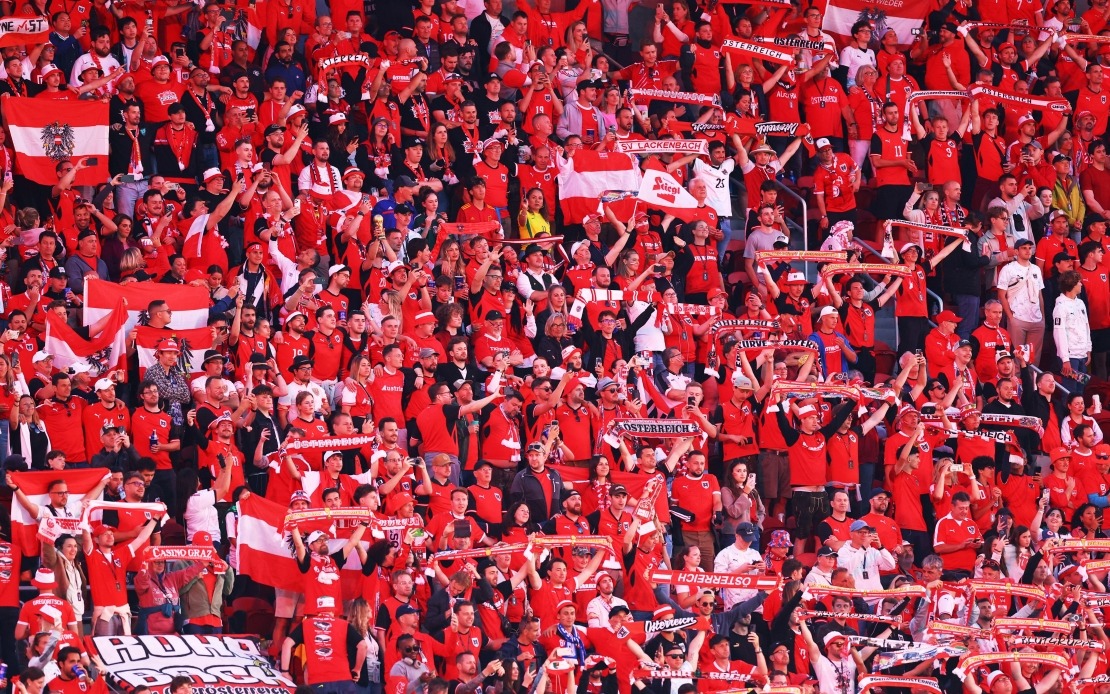
The expanded World Cup format has delivered unprecedented scale, FIFA confirmed this week, with the group stage drawing 4.644 million fans across 72 matches. This represents a significant jump from the 1994 edition held in the United States, which attracted 3.587 million spectators across 52 games. The sheer numbers underscore how the decision to expand from 32 to 48 teams has fundamentally transformed the tournament's reach and commercial appeal, though the statistics reveal a more nuanced picture about the quality of matchday experiences across venues.
Despite the higher total attendance figures, the average per match tells a different story. Each game in the current tournament drew approximately 64,508 fans, down from the 1994 average of 68,991 spectators. This seemingly counterintuitive pattern reflects the structural changes inherent in the expanded format: while the tournament now spans more matches across more venues, not every game carries equal drawing power. Early group stage encounters involving lesser-known national teams or geographically distant matchups drew smaller crowds, a reality that tournament organisers must navigate when scheduling future editions.
The expanded format has also produced a veritable explosion of goals. A total of 215 goals were scored during the group stage, averaging exactly three per match. This attacking outburst compares sharply with the 2022 Qatar tournament, where 32 teams played 64 matches and produced 179 goals at an average of 2.8 per game. The increase in scoring suggests that the expanded format, with its revised group structure and varying team quality disparities, may create more open, free-flowing matches than the traditional setup. For Malaysian football enthusiasts and analysts tracking tactical evolution in international football, this trend is worth monitoring as it could influence how national teams prepare for future tournaments.
The tournament has deployed an extraordinary number of players across its expanded competition. The 48 participating nations collectively fielded 999 athletes, and Canadian captain Alphonso Davies etched himself into the record books by becoming the 1,000th player to appear when he entered the pitch during Canada's knockout round victory over South Africa. This milestone underscores the sheer scope of the competition and the deeper squad rotations and substitution patterns that the expanded format necessitates.
Beyond the pitch, FIFA's data on stadium consumption reveals the commercial machinery surrounding modern football. Vendors sold 2.8 million beers and nearly a million bottles of water across the three host nations' stadiums. The sale of 300,000 hot dogs speaks to the predominantly North American foodscape at the venues and highlights how World Cup tournaments generate secondary economic activity beyond television rights and ticket sales. These figures provide valuable benchmarking data for future host nations planning stadium operations and vendor strategies.
The official fanfest zones established by FIFA in the host countries—the United States, Canada, and Mexico—attracted more than 5.5 million visitors, extending the tournament's commercial and entertainment footprint well beyond the stadiums themselves. Within these public gathering spaces, attendees purchased more than 2 million alcoholic drinks and nearly 2 million soft drinks. These fan parks have become increasingly important for tournament organisers seeking to maximise engagement among supporters who may not attend live matches but want to participate in the collective experience.
For Southeast Asian readers and football administrators, these metrics offer instructive lessons should the region host future continental championships or World Cup qualifying rounds. The expanded World Cup format demonstrates that tournament growth requires careful planning around venue distribution, match scheduling, and infrastructure capacity. Malaysia, as a nation with growing sporting ambitions and a developing football culture, would benefit from studying how successful host nations manage such scale.
The data also illustrates the evolving economics of modern football tournaments. The combination of higher total attendance, expanded merchandise opportunities, increased sponsorship activation through larger fanfests, and venue concession revenues creates a significantly larger financial pie than traditional formats. This economic expansion explains why FIFA pursued the controversial expansion and why multiple nations continue bidding to host future tournaments despite the considerable costs.
However, the lower average attendance per match suggests that not all games achieved sellout conditions or packed stadiums. Tournament quality and competitive balance may suffer when some matches lack the electrifying atmosphere of fully charged venues. This remains a structural challenge as FIFA balances its desire for geographic spread and increased participation against the traditional World Cup model that concentrates matches in fewer, larger stadiums.
The record-breaking goal tally raises interesting questions about defensive tactics and goalkeeper performance in the expanded format. Whether this represents genuine tactical openness or reflects quality disparities remains unclear from FIFA's statistics alone. The sheer volume of goals could also influence how coaches and federations approach preparation for next year's tournaments, potentially encouraging more attacking methodologies.
Looking forward, these inaugural statistics from the 48-team format will serve as baseline data for future tournaments. FIFA's detailed record-keeping provides valuable operational intelligence for subsequent host nations and offers researchers insights into how tournament expansion reshapes fan engagement, player deployment, and match dynamics. As the football world processes these results, the obvious success of the expanded format suggests FIFA will likely defend this new structure despite persistent criticism from some observers who preferred the traditional 32-team model.

