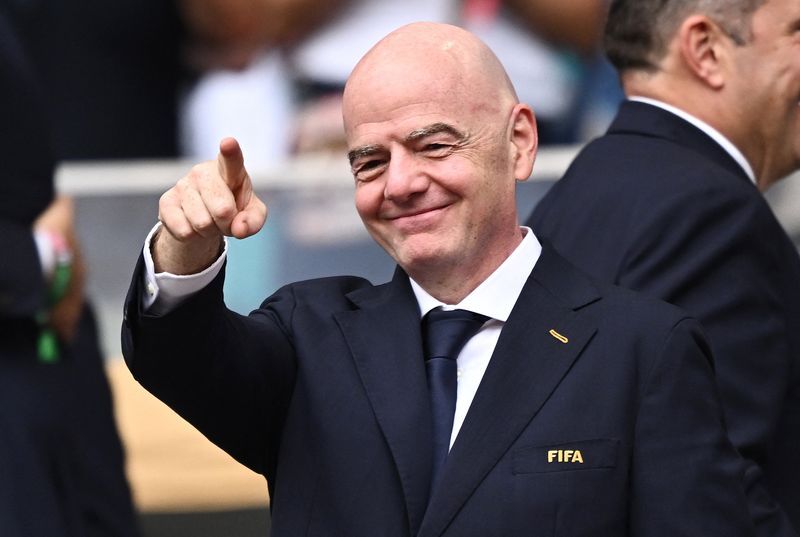
FIFA's pledge to deliver the world's most welcoming World Cup has been significantly undermined by restrictive American immigration procedures that prevented fans, journalists, and even match officials from entering the United States, according to a coalition of international rights organizations. The Sport & Rights Alliance highlighted the contradiction between the governing body's lofty rhetoric and the on-the-ground reality faced by supporters attempting to attend the tournament that expanded to 48 teams—an increase from the traditional 32-team format intended to democratize global football participation.
The tournament represented an unprecedented expansion of international football's premier competition, with FIFA marketing the broader invitation to smaller nations as a historic step toward inclusivity. By nearly doubling participating countries, the organization suggested it was opening genuine pathways for emerging footballing nations to access the world stage. However, the ambitious structural changes clashed sharply with immigration enforcement in the United States, which co-hosted the event alongside Canada and Mexico. Rather than facilitating seamless entry for the projected surge in international visitors, American authorities maintained stringent visa approval standards that systematically blocked citizens from multiple countries.
Ronan Evain, executive director of Football Supporters Europe, articulated the scope of exclusion affecting supporters from North Africa and the Middle East. Citizens from Morocco, Egypt, Jordan, Iraq, and Uzbekistan faced overwhelming barriers, with the organization struggling to identify even a single ticket-holding fan from these nations who successfully obtained US entry authorization. The visa denials created a stark visual disparity in stadium attendance, with supporters from affected regions conspicuously absent despite their teams' participation. This pattern contradicted FIFA's stated objective of uniting global audiences and demonstrated how national immigration sovereignty could fundamentally undermine international sporting principles.
The situation reached absurdity when Omar Abdulkadir Artan, a Somali-born World Cup referee with valid travel documentation, was denied entry based on alleged connections to suspected terrorist organization members. FIFA President Gianni Infantino responded dismissively to concerns about such denials, suggesting attendees should simply relax, while simultaneously acknowledging that immigration matters ultimately fell under national government jurisdiction rather than FIFA's control. This deflection essentially admitted that the organization had limited leverage to address systemic exclusion, yet continued promoting the tournament's inclusive branding regardless.
US Homeland Security Secretary Markwayne Mullin defended visa rejections by claiming his department had consulted with FIFA officials before implementing restrictions. The statement suggested coordination between American authorities and world football's governing body, raising questions about FIFA's advocacy on behalf of affected fans and workers. Unlike national sporting bodies that might pressure governments to facilitate fan access during international events, FIFA appeared relatively passive in confronting visa obstacles that contradicted its public messaging. The absence of formal complaints or escalation strategies from FIFA leadership suggested the organization prioritized diplomatic relationships with host nations over supporting its global constituency.
Countries including Senegal experienced grossly depleted attendance at matches, with US visa suspension policies effectively silencing entire fan bases from attending their nations' games. The sight of stadium sections noticeably empty of supporters from particular nations represented a visual manifestation of exclusion that undermined the tournament's celebratory atmosphere. Supporters who had invested financially and emotionally in attending found themselves unable to cross American borders, creating bitter narratives that overshadowed national achievements on the field.
Journalists and safety advocates warned that broader Trump administration immigration policies had cultivated what the Sport & Rights Alliance termed a "distinctively dangerous climate of fear." Beyond individual visa denials, this atmosphere discouraged international travel to the United States more broadly, affecting attendance calculations and dampening enthusiasm among potential visitors. The chilling effect extended beyond direct visa rejections to encompass psychological barriers that made international citizens hesitant about attempting American travel during periods of heightened immigration enforcement.
Yet the tournament delivered genuine highlights worth acknowledging. Haiti's participation marked the nation's first World Cup appearance in 52 years, delivering extraordinary joy to a diaspora community scattered globally. Cape Verde's unexpectedly strong performance captured imagination and demonstrated that expanded tournament formats could produce compelling narratives beyond traditional powerhouses. Pride Month celebrations, particularly in Seattle, showcased football's capacity to advance social progress and inclusion on matters of sexual orientation and gender identity.
Minky Worden, director of global initiatives at Human Rights Watch, articulated this paradox directly: genuine reasons for celebration coexisted alongside inescapable evidence of exclusionary host-nation policies. The tournament thus became a contradictory event—simultaneously more inclusive through structural expansion while simultaneously less welcoming to international visitors through immigration barriers. This tension highlighted fundamental questions about whose inclusion FIFA actually prioritized and the degree to which the organization would tolerate host-nation policies conflicting with its stated values.
Neither FIFA nor White House officials provided responses to inquiries about visa practices, maintaining studied silence rather than engaging substantive criticism. The Sport & Rights Alliance plans to release a comprehensive report in September documenting human rights concerns throughout the tournament, promising more detailed analysis of exclusionary patterns and their implications for future international sporting events. This delayed accountability mechanism reflects how international sporting governance often processes criticism through reports published after events conclude, limiting real-time remediation opportunities.
For Southeast Asian observers and potential future World Cup hosts, the tournament illustrated critical tensions between national sovereignty over immigration policy and international sporting principles emphasizing global participation and cultural exchange. As football governance evolves and tournament hosting expands beyond traditional Western venues, questions about balancing security concerns with genuine inclusivity will intensify. The gap between FIFA's aspirational messaging and implementation realities underscores why international sports organizations must demonstrate concrete commitments to inclusion rather than relying on rhetoric unsupported by enforceable mechanisms.

