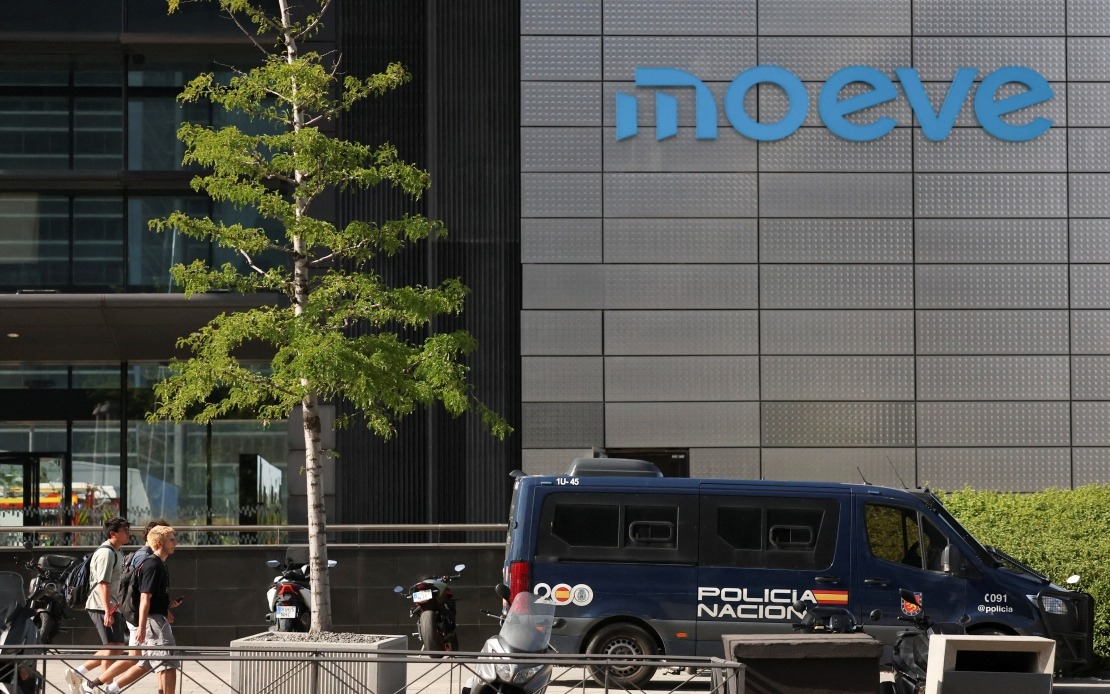
A significant fire swept through Torre Moeve in the heart of Madrid on Tuesday, sending thick smoke billowing across the Spanish capital in what became one of the day's most visible incidents in the city. The dramatic blaze engulfed Spain's second-tallest building, creating a scene that could be observed from numerous vantage points throughout Madrid as emergency responders mobilised to contain the situation.
The crisis unfolded when an explosion occurred within the structure at approximately 5:00 pm local time, according to reports from Spain's National Police cited by national broadcaster RTVE. Building management immediately initiated evacuation procedures, prioritising the safety of all occupants and workers present in the tower at the time of the incident.
Investigations into the fire's origin pointed to the 25th floor as the point of ignition, where technical infrastructure and mechanical systems are housed. This location suggests the fire may have resulted from equipment malfunction or electrical failure rather than deliberate action, though authorities continued their examination of the site.
Emergency responders demonstrated swift coordination in containing the blaze. Firefighting teams deployed by the Madrid City Council worked methodically to extinguish the flames and secure the building, ultimately declaring the fire extinguished and proceeding with detailed interior inspections to ensure no hotspots remained and to assess structural integrity.
The evacuation process proved effective in protecting human life. Authorities confirmed no fatalities occurred and no individuals sustained serious injuries from the incident. The comprehensive emergency response prevented what could have developed into a far more severe situation.
Minor health incidents were reported among those in the vicinity. Two workers experienced mild smoke inhalation as a result of exposure during the evacuation, whilst a bystander outside the building suffered an anxiety attack triggered by the dramatic circumstances. All three individuals received treatment at the scene and were discharged without requiring hospitalisation, demonstrating the controlled nature of the emergency response.
For Malaysian and Southeast Asian observers, the incident highlights the critical importance of robust building safety protocols in high-rise structures. Torre Moeve's successful evacuation and containment exemplifies international best practices in emergency management, particularly relevant as cities across the region continue expanding their skylines with ever-taller commercial developments. Modern office towers increasingly incorporate complex mechanical systems on upper floors, necessitating regular maintenance inspections and updated fire safety protocols.
The location of the fire in technical rooms underscores how infrastructure maintenance represents a significant ongoing responsibility for building management teams. Regular audits of electrical systems, HVAC equipment, and other mechanical installations become increasingly critical as buildings age and systems accumulate operational hours. Preventive maintenance programmes that exceed minimum regulatory requirements can substantially reduce the likelihood of equipment failures that spark fires in confined spaces.
Spain's response to this incident demonstrates the value of comprehensive emergency preparedness frameworks. The rapid deployment of specialised firefighting units, coordination between multiple agencies, and swift evacuation procedures all contributed to preventing casualties. Building occupants and managers across Southeast Asia can draw lessons from such well-executed emergency responses, recognising that preparation and regular drills are investments in human safety.
The incident also highlights communication advantages during crises. RTVE's rapid reporting and the government delegation's timely updates ensured public understanding of events as they unfolded, reducing speculation and panic. In an era of instant social media dissemination, official channels that provide accurate, rapid information serve crucial roles in managing public perception and preventing misinformation during emergencies.
For the Madrid business community, the incident posed minimal lasting disruption given the swift containment and absence of casualties. Torre Moeve's status as a major commercial landmark meant the fire's psychological impact on the city exceeded its physical damage, though full restoration and detailed inspections would require time. The building's resilience in withstanding the explosion and subsequent fire without structural failure reflects modern construction standards that prioritise occupant safety even under extreme circumstances.
Looking forward, the incident will likely prompt reviews of technical room protocols across Madrid's commercial real estate sector and potentially influence building code discussions at national and European Union levels. Each such event generates valuable data that informs evolving safety standards, benefiting all building occupants. For companies operating high-rise properties throughout Southeast Asia, maintaining vigilance over technical infrastructure and ensuring compliance with the most stringent safety standards represents an essential commitment to workforce protection and business continuity.