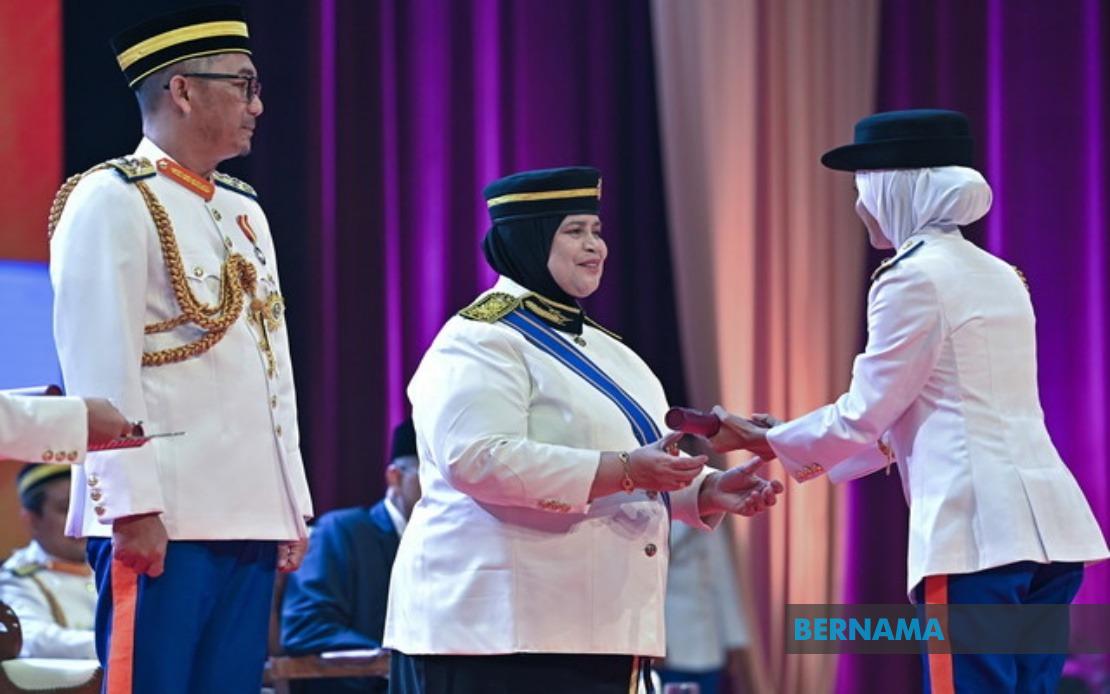
Malaysia has taken a significant step in supporting its Civil Defence Student Corps by rolling out a newly approved allowance scheme that will benefit 1,107 cadets across 36 higher learning institutions nationwide. The payment mechanism commenced this month, marking the culmination of efforts to translate welfare improvements from policy discussions into tangible financial support for student volunteers engaged in civil defence work.
Deputy Minister of Rural and Regional Development Datuk Rubiah Wang announced the development while representing Deputy Prime Minister Datuk Seri Dr Ahmad Zahid Hamidi at the 17th National Kor SISPA Commissioning Ceremony held at Universiti Pendidikan Sultan Idris in Tanjong Malim. The announcement underscores the government's commitment to recognizing and rewarding the contributions of young Malaysian citizens who dedicate their time to civil defence and public safety initiatives beyond their academic responsibilities.
The initial phase of this allowance programme carries an estimated financial outlay of RM500,000, structured to accommodate the varying qualification levels of participating cadets. The payment mechanism operates on an hourly basis, with cadets holding bachelor's degrees receiving RM9.80 per hour while diploma holders receive RM8 per hour. This differentiated approach reflects the government's acknowledgment of educational achievements while maintaining inclusivity across different academic pathways within Malaysia's higher education ecosystem.
Rubiah, who also serves as the Civil Defence honorary commissioner, emphasized that this allocation represents merely the beginning of a broader initiative designed to progressively expand the allowance scheme to encompass more Kor SISPA members in subsequent phases. The phased implementation strategy allows the government to monitor expenditure while exploring additional fiscal mechanisms that could sustain and enlarge the programme without straining budgetary constraints. This measured approach demonstrates pragmatic policy-making that balances immediate welfare improvements with long-term fiscal sustainability.
The primary motivation behind this allowance scheme extends beyond simple financial compensation. The government explicitly intends the scheme to incentivize greater participation among university and college students in Kor SISPA programmes while providing meaningful exposure to civil defence operations and cultivating a deeper commitment to public safety consciousness among Malaysia's youth. By offering monetary recognition, the government acknowledges that student volunteers often juggle competing demands on their time and resources, and financial support can meaningfully enhance their ability to contribute more substantially.
Civil Defence operations encompass far more than emergency response during disasters, a nuance that Rubiah emphasized in her remarks. The corps operates throughout the year, providing essential assistance at university events, campus activities, and community programmes both within and outside academic environments. This year-round engagement requires sustained commitment and readiness from student cadets, justifying the government's decision to formalize recognition through the allowance structure rather than relying solely on volunteer goodwill.
The Kor SISPA initiative itself represents a significant institutional achievement within Malaysia's civil defence architecture. Established in 2010 across universities, higher learning institutions, and teacher education institutes, the programme has successfully cultivated 11,802 graduates who carry forward their civil defence training and values into their professional careers and civic lives. This alumni base constitutes an expanding network of Malaysian citizens with formal training in emergency response, disaster management, and public safety protocols—a human capital asset of considerable strategic value.
The allowance scheme carries particular significance for Malaysian universities in an era when student engagement in co-curricular activities faces increasing competition from employment opportunities and financial pressures. Many students work part-time to support their studies, and the absence of financial compensation for Kor SISPA participation may have deterred motivated individuals from volunteering substantial hours. The allowance addresses this practical barrier, potentially attracting a more diverse cohort of student volunteers from varying socioeconomic backgrounds.
For Southeast Asian observers, Malaysia's approach to formalizing student volunteer support offers a potentially instructive model. As regional nations grapple with strengthening disaster preparedness and building youth engagement in civic responsibilities, mechanisms that combine financial incentives with institutional recognition and practical training represent a comprehensive strategy worthy of consideration. Malaysia's investment in this scheme reflects recognition that sustainable public safety infrastructure requires institutionalized youth participation rather than episodic volunteerism.
The next commissioning ceremony will be hosted by Universiti Sultan Zainal Abidin in the coming year, suggesting this allowance initiative will become an established feature of Kor SISPA operations and likely expand during subsequent ceremonies. Government officials' commitment to exploring enhanced fiscal options for programme expansion indicates this represents not a one-time initiative but rather the foundation of a developing institutional framework for supporting student civil defence participation. The scheme thus signals a broader governmental recognition that public safety and disaster resilience depend fundamentally on cultivating sustained engagement from young Malaysians equipped with training, motivation, and adequate support structures to maintain their involvement throughout their university years and beyond.

