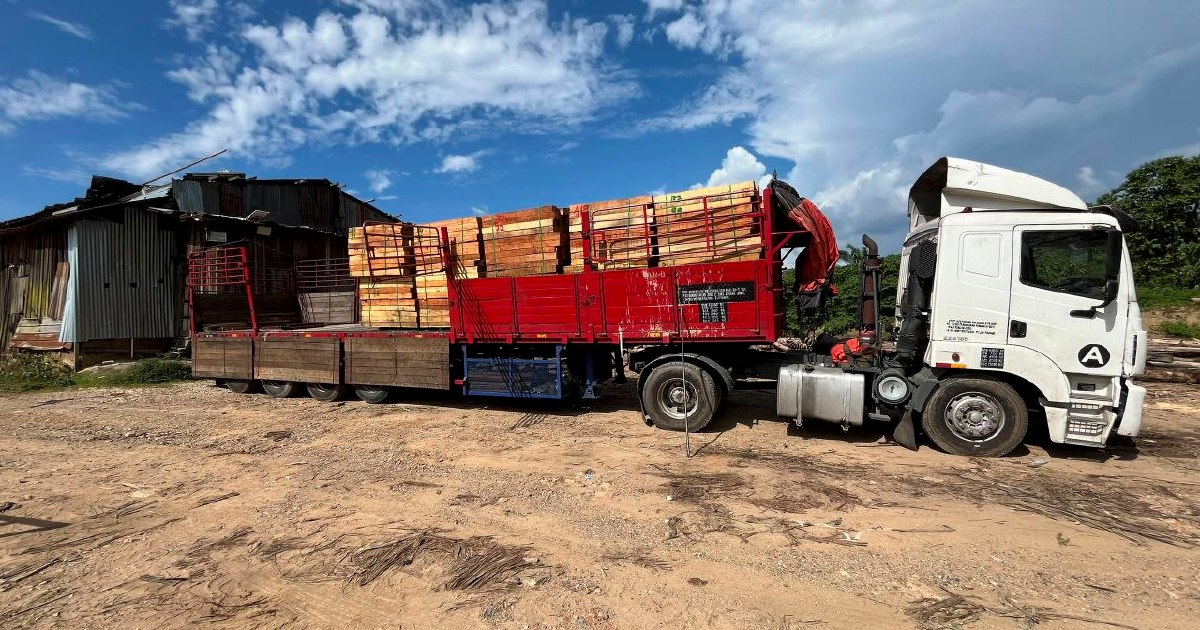
Five suspects have been detained following a significant enforcement operation against illegal timber processing in Sungai Embak, Kuala Krai. The raid, conducted yesterday, culminated in the seizure of machinery, equipment, and processed timber valued collectively at RM2.32 million, marking a considerable success in the ongoing battle against unregulated logging activities in the northern region.
The discovery of the clandestine timber operation underscores a persistent challenge facing Malaysian authorities: the sophisticated networks that continue to exploit the country's forest resources despite strengthened regulatory frameworks. Kelantan, like other states with significant forest cover, remains vulnerable to such operations, which often operate with minimal visibility until neighbours report suspicious activity or routine inspections uncover evidence of illegal processing.
The illicit timber trade represents not merely a regulatory violation but a threat to Malaysia's environmental commitments and sustainable forestry credentials. Beyond the immediate loss of forest capital, illegal operations typically involve timber felled from protected or restricted areas, circumventing the permitting systems that govern legitimate extraction. These rackets frequently employ laundering techniques—mixing illegally sourced logs with legitimately harvested timber—making detection increasingly difficult for enforcement teams.
The scale of seizure in this case, approaching RM2.5 million, reflects the financial stakes driving such criminal enterprises. Processing facilities like the one discovered at Sungai Embak represent significant capital investment, suggesting the operation had been functioning for some duration before detection. The arrested individuals likely represent only the operational level of a broader supply chain encompassing harvesting teams, transport coordinators, middlemen, and buyers in the formal and informal timber markets.
For Malaysian stakeholders in legitimate timber industries, such crackdowns carry mixed implications. While enforcement against illegal competitors theoretically strengthens market conditions for licensed operators, the volume of confiscated material periodically released through government auctions can depress prices. More significantly, the reputational damage from illegal logging persists, as international buyers increasingly scrutinize supply chain transparency and forest governance standards.
Kelantan's forest reserves, part of the broader Peninsular Malaysia timber estate, have experienced considerable pressure over decades from both licensed and unlicensed extraction. The state's economic dependence on natural resource utilisation creates tension between development imperatives and conservation objectives. Operations like those discovered in Sungai Embak thrive in environments where enforcement capacity struggles against the scale of territory requiring supervision.
The seized machinery and timber will likely undergo standard procedures: the equipment assessed for forfeiture, the timber valued for potential sale through the timber board or destruction if unsuitable. The five arrested individuals will face investigation under the Forests Ordinance or related legislation, proceedings that typically extend over months as authorities gather evidence and witness testimony.
This raid reflects broader resource allocation towards timber sector enforcement. The Royal Malaysia Police's Commercial Crime Investigation Department, customs authorities, and state forestry departments have increasingly prioritised operations against timber trafficking networks. Enhanced cooperation between these agencies has improved intelligence gathering and coordinated enforcement, though resource constraints remain substantial across Malaysia's vast forested regions.
International dimensions also merit consideration. Illegal Malaysian timber historically flows to markets in Thailand, Indonesia, China, and Vietnam, where documentation standards and traceability requirements may be weaker. The UN Office on Drugs and Crime estimates that illegal logging costs forest nations billions annually in lost revenue and environmental degradation. Malaysian authorities' efforts align with ASEAN regional initiatives promoting sustainable timber trade and combating transnational environmental crime.
For the timber processing sector broadly, yesterday's developments serve as a reminder that operations operating outside regulatory frameworks face inevitable detection as enforcement capacity and inter-agency coordination improve. Licensed manufacturers and forest product exporters, bearing compliance costs and documentation burdens, increasingly benefit from these crackdowns that eliminate unfair competition from unlicensed rivals.
The investigation into the Sungai Embak operation will likely examine not only the five detained individuals but also supply sources, customer networks, and financial flows. Such intelligence frequently contributes to larger investigations dismantling entire trafficking syndicates rather than isolated facilities. Authorities will scrutinise timber documentation, transportation records, and banking transactions to trace the broader operation.
As Malaysia continues efforts to enhance its environmental governance and international standing on forest conservation, enforcement actions like this Kelantan raid demonstrate tangible commitment to combating the illegal timber trade. Sustained pressure on such operations, coupled with market-based initiatives promoting legal timber certification, remains essential to protecting remaining forest resources while ensuring legitimate sector viability. The RM2.32 million seizure represents both enforcement achievement and testimony to the scale of illicit economic activity that Malaysia's regulatory bodies must confront.

