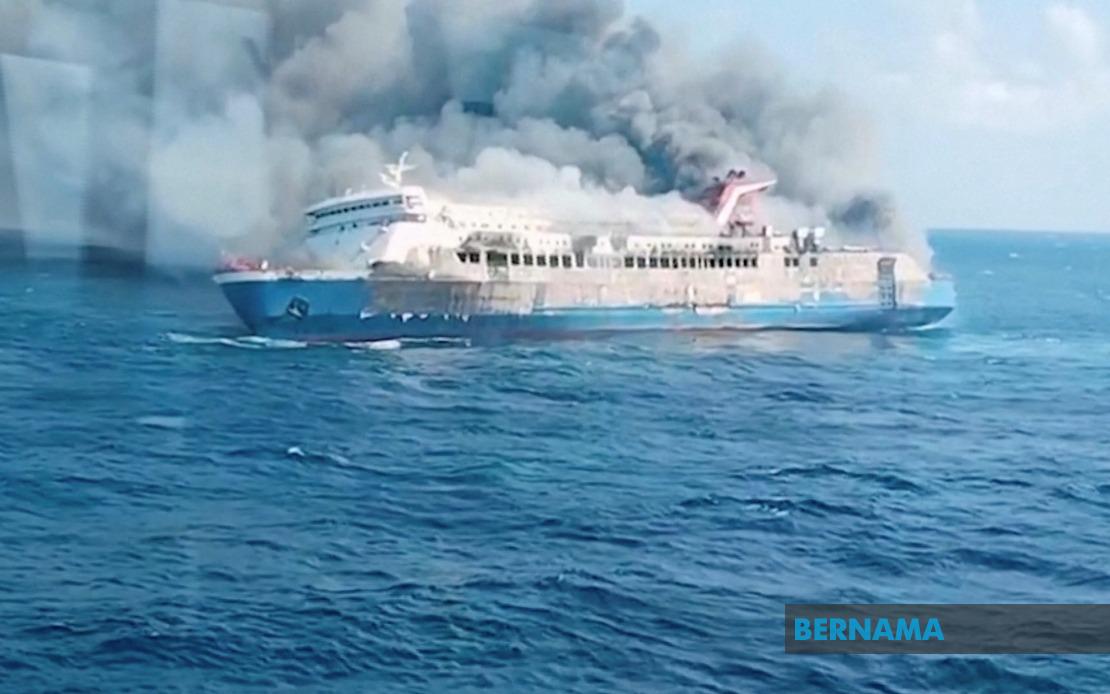
A maritime disaster struck Indonesian waters on the morning of August 2 when the KMP Mutiara Santosa 2, a passenger ferry carrying 232 passengers and 39 crew members, erupted in flames while navigating the waters north of Sumenep in Madura. The incident has left at least five people confirmed dead and 41 others still missing, prompting one of the region's most intensive search and rescue operations in recent memory.
According to Nanang Sigit, Chief of the Surabaya Search and Rescue Office, his agency received the initial distress call at 8.24 am local time this morning. The vessel was in transit from Surabaya, the capital of East Java, bound for Makassar in South Sulawesi when the emergency occurred. Rescue teams mobilised immediately, dispatching multiple assets and personnel to the scene to evacuate those aboard the stricken vessel. By 4 pm local time the same day, rescue personnel had successfully extracted 225 passengers from the burning ferry.
The fire's intensity was catastrophic. Nanang reported that the flames consumed most of the vessel's structure, reducing large sections to charred wreckage. Passengers and crew members who remained aboard sought refuge on the bridge and forward sections of the ship, huddling together and awaiting rescue from the water. The rapid spread of the fire left occupants with limited time to react, forcing some to take desperate measures to survive.
Several passengers, facing the advancing flames and thick smoke, chose to jump overboard into the sea. However, the proximity of other vessels in the area proved fortuitous. Nearby boats operating in these busy shipping lanes responded quickly to the emergency, retrieving many of those who had abandoned ship and plunging into the water. These rescue efforts by fellow mariners undoubtedly saved numerous lives during the critical early phases of the disaster.
The scale of the operation reflects the gravity of the situation. Search and rescue authorities deployed multiple agencies and substantial personnel resources across a potentially wide search area as the hunt continued for the 41 unaccounted individuals. The waters off Madura, part of the busy Java Sea region, present particular challenges for rescue operations, including depth variations and currents that can complicate efforts to locate missing persons.
For Malaysia and other Southeast Asian nations, this incident underscores persistent concerns about maritime safety standards across the region. Ferry operations remain a critical mode of transport connecting Indonesia's vast archipelago, with millions of passengers annually depending on these services. While exact statistics on regional ferry safety are difficult to compile, incidents of this magnitude highlight the importance of rigorous maintenance protocols, crew training, and emergency response procedures.
The investigation into the fire's origin was still ongoing at the time of reporting. Determining whether the blaze resulted from mechanical failure, electrical malfunction, human error, or other causes will be crucial not only for accountability but also for implementing preventative measures across the regional shipping industry. Such inquiries often take weeks or months to complete as officials examine wreckage and interview survivors.
The incident occurred within Indonesia's established shipping corridors, where passenger ferries operate frequently and serve as vital links between regions. The Surabaya to Makassar route is a commercially important passage, and disruptions to ferry services carry economic implications beyond the immediate human tragedy. The disaster will likely intensify scrutiny of vessel inspection regimes and safety certification standards throughout Indonesia and potentially influence regulatory discussions across Southeast Asia.
For Malaysian readers, the proximity of these maritime trade routes and the shared nature of Indonesia's shipping challenges remind us of the interconnected nature of regional commerce and travel. Many Malaysians transit through Indonesian ports, and Indonesians similarly frequent Malaysian waters. Common shipping safety standards and mutual maritime cooperation remain essential components of regional stability and public safety.
The tragedy also highlights the courage and resourcefulness of seafaring communities. The rapid response from nearby vessels and the discipline shown by passengers and crew waiting on the bridge likely prevented an even greater loss of life. As rescue operations continued into the evening and beyond, the focus remained on locating the remaining 41 missing persons and providing support to survivors and their families. The international maritime community was monitoring developments closely, with implications for how similar emergencies are managed across the region's waters.

