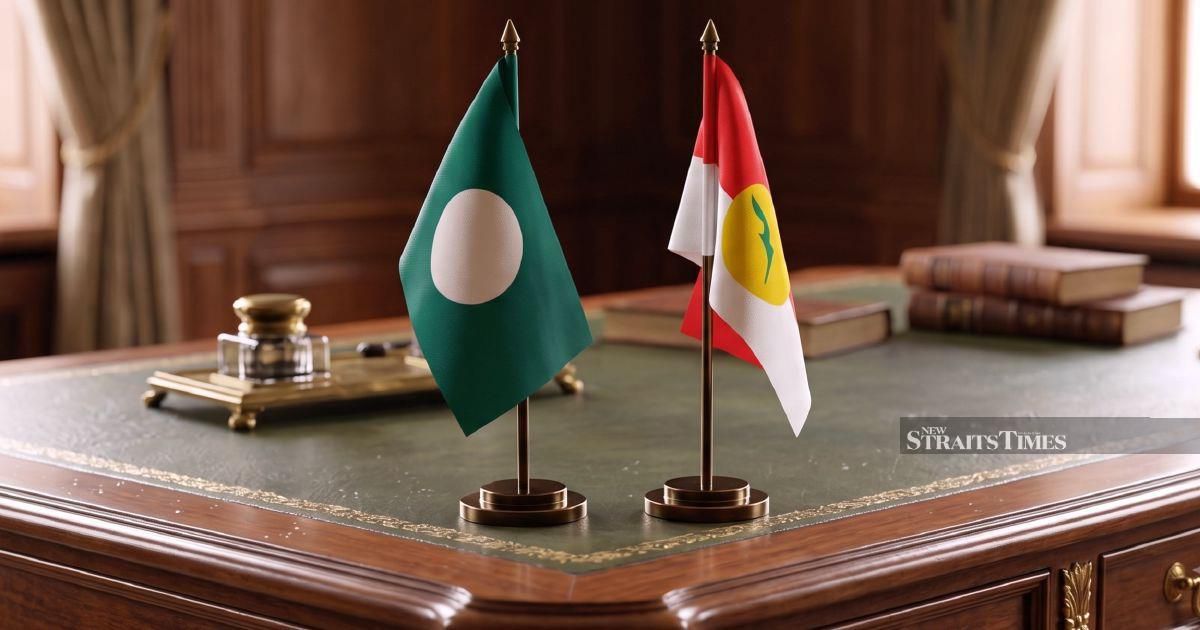
Following Barisan Nasional's dominant performance in recent Johor elections, speculation mounted about whether the Malay-Muslim political landscape might be reshaped through closer cooperation between Umno and PAS. However, analysts tracking Malaysia's complex coalition dynamics have concluded that a formal merger between the two parties remains unlikely to materialize for the upcoming Negri Sembilan state elections.
The question of Umno-PAS collaboration has periodically surfaced in Malaysian politics, with observers noting that both parties draw substantial support from similar demographics. Yet despite ideological overlap in certain policy areas and shared electoral interests, structural barriers and divergent strategic calculations have consistently prevented a binding alliance. The Johor outcome, while validating Barisan Nasional's electoral machinery, appears to have reinforced rather than altered these fundamental constraints.
Umno's resounding success in Johor demonstrated the effectiveness of its existing coalition structure and traditional mobilization networks. With the dominant party secure in its position and facing no imminent existential threat, the incentive to pursue formal integration with PAS diminishes significantly. From an organizational standpoint, Umno benefits from maintaining its autonomy and controlling its own apparatus without negotiating power-sharing arrangements that could complicate decision-making or dilute its influence within Barisan Nasional.
PAS, meanwhile, operates from a distinctly different political ecosystem. The party has cultivated strength in certain heartland constituencies through messaging emphasizing Islamic governance and religious authority, positioning itself as guardian of Malay-Muslim interests. A formal alliance with Umno could muddy this differentiated brand and risk absorbing PAS into a larger structure where its voice might be diminished, particularly given Umno's organizational dominance and superior financial resources.
The Johor election results, rather than triggering coalition reshuffling, appear to have validated the existing power distribution within Malaysia's political system. Barisan Nasional's capacity to win decisively without formal PAS integration suggested that current arrangements already serve the coalition's electoral purposes adequately. For Negri Sembilan specifically, the state presents different demographic and electoral dynamics than Johor, reducing any spillover effects from the neighbouring state's political developments.
Regional considerations also weigh against formalization. Negri Sembilan occupies a critical position within the Klang Valley and Selangor conurbation, where Pakatan Harapan maintains significant presence and influence. In this context, any appearance of Umno-PAS consolidation might be counterproductive, potentially galvanizing opposition votes by creating perceptions of a monolithic Barisan bloc leaving limited space for competing visions of governance.
Another critical factor involves PAS's simultaneous engagement with other political forces and its efforts to maintain flexibility. The party has historically positioned itself as capable of working across coalition lines, a strategic posture that formal Umno alliance would eliminate. Analysts note that PAS's utility in Malaysian politics partly derives from this adaptability, allowing the party to negotiate from multiple angles depending on electoral circumstances and bargaining leverage.
Timeline considerations also favour continued separation. Negri Sembilan state elections, while significant, do not carry the national political weight of parliamentary contests. Investing substantial organizational energy in formal alliance architecture for a single state election represents inefficient resource allocation for either party. Any such consolidation would logically occur in anticipation of national-level contests where broader structural changes might justify the transition costs and organizational disruption.
The analysts' assessment reflects growing understanding that Malaysian electoral dynamics have stabilized at multiple levels. Rather than seeking to remake coalitions through formal mergers, parties increasingly compete through refined messaging, targeted campaigns, and tactical coordination on specific seats. This softer form of cooperation allows organizations to preserve autonomy while achieving practical coordination benefits.
Looking forward, the Negri Sembilan election will likely proceed under existing arrangements with Barisan Nasional competing as a coalition of distinct parties. Umno will leverage its organizational strength and Johor momentum, while PAS may contest certain constituencies or provide tactical support in others, all without restructuring the formal relationship. This incrementalism reflects the current consensus among Malaysian political elites that the existing system, however complex, delivers acceptable outcomes for major players.
For Malaysian observers and international analysts tracking Southeast Asian politics, the absence of Umno-PAS formalization despite Barisan Nasional's electoral success underscores how Malaysia's coalition politics remain more pragmatic than ideologically driven. Parties cooperate when mutually beneficial, compete when advantageous, and maintain organizational independence as an insurance policy. The Johor victory, viewed through this lens, confirms existing patterns rather than presaging significant restructuring.

