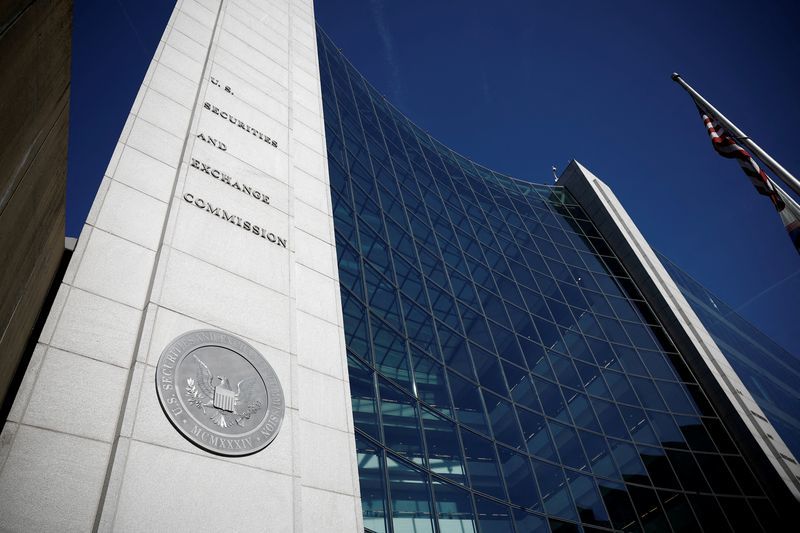
American securities regulators have filed charges against Jason Satsky, a former co-head of Bank of America's Americas power and renewable energy banking division, alleging he illegally disclosed confidential information about a major corporate acquisition to a personal friend. The U.S. Securities and Exchange Commission contends that Satsky revealed details of a pending South Jersey Industries takeover to Gavin Wolfe in late 2021, enabling Wolfe to accumulate shares before the deal's public announcement and ultimately realize substantial unauthorized gains.
According to the SEC's allegations, Wolfe, who founded and operates Evergreen Capital, had maintained a friendship with Satsky spanning more than two decades and had previously worked alongside him in the energy and utilities banking sector. Leveraging this long-standing personal relationship and access to non-public information, Wolfe reportedly purchased over 2.2 million shares of South Jersey Industries parent company at a total investment of approximately $53 million. When the energy holding company announced its $8.1 billion acquisition on February 24, 2022, the share price surged, delivering Wolfe a 36 percent return on his investment and enabling him to pocket roughly $18.5 million in illegal profits.
The enforcement action reveals how the two men allegedly communicated repeatedly regarding the acquisition opportunity through various channels and settings. Particularly noteworthy was an encounter at Madison Square Garden, where Satsky and Wolfe attended a Duke-Kentucky college basketball game that received national television coverage. Satsky had accessed the luxury seating through Bank of America's corporate account, creating an informal environment where sensitive information about the impending South Jersey transaction may have changed hands. The regulator's inclusion of this detail underscores how white-collar violations often occur outside formal office settings, exploiting personal relationships and opportunities that arise from professional privilege.
The SEC's complaint seeks comprehensive remedies extending far beyond monetary recovery. Regulators aim to compel the defendants to disgorge all profits obtained through the illicit scheme while imposing substantial civil penalties. Additionally, the enforcement action requests that both men receive bans from serving as officers or directors of public companies, a career-altering sanction that would effectively exclude them from senior roles in regulated corporations. Such bars represent one of the most severe consequences securities regulators can impose on individuals found to have breached their fiduciary obligations or exploited access to confidential information.
Satsky, aged 59 and based in New York, and Wolfe, 55, who maintains residences in New York and Sunny Isles Beach, Florida, have both vehemently denied the accusations. Through his legal representative Robert Anello, Satsky issued a categorical denial, asserting that he scrupulously adhered to all applicable regulations and expressing confidence that evidence would vindicate him completely. Anello emphasized that his client provided no confidential or material non-public information to Wolfe or to any other party concerning South Jersey Industries, suggesting that any trading decisions by Wolfe were entirely independent and lawful.
Wolfe's defense team adopted a similarly aggressive posture, with attorney Reed Brodsky characterizing the allegations as baseless and announcing his client's determination to mount a vigorous defense. Brodsky contended that regulatory investigators disregarded sworn testimony and documentary evidence demonstrating that Wolfe's share purchases stemmed from a self-developed and thoroughly researched investment analysis rather than illicit tips from an industry contact. This defense strategy, common in insider trading cases, attempts to establish that the defendant possessed legitimate, publicly available reasons for executing the transaction in question, rendering any allegation of information-dependent trading legally unsustainable.
The professional history connecting Satsky and Wolfe spans multiple institutions and jurisdictions, further illustrating the interconnected nature of elite financial services networks. Both men previously worked as senior bankers in the power and renewable energy sector at Credit Suisse before joining Bank of America together in 2012. Wolfe subsequently established Evergreen Capital to manage assets belonging to his extended family, while Satsky continued to rise within Bank of America's investment banking hierarchy. This shared career trajectory and years of professional collaboration provided ample context for their personal friendship and created multiple opportunities for informal communications about market-sensitive developments.
Bank of America itself escaped regulatory censure, with the SEC explicitly stating that the institution bore no responsibility for the alleged misconduct. The financial conglomerate confirmed that Satsky is no longer employed there, noting that it terminated his position in March 2025. This timing suggests that the bank may have conducted internal investigations or received regulatory notification of the SEC's probe before taking employment action. However, the absence of institutional liability does not diminish scrutiny regarding the bank's compliance infrastructure and monitoring systems designed to detect and prevent insider trading among its investment banking staff.
For Malaysian and Southeast Asian investors and market participants, this enforcement action underscores the continuing sophistication of securities regulators in detecting and prosecuting insider trading across different geographies and through varied communication channels. It also demonstrates that prestigious employment and a lengthy professional record offer no protection against allegations of securities violations, particularly when substantial financial incentives are at stake. The case serves as a reminder that compliance with securities laws constitutes a personal obligation that cannot be delegated or rationalized through appeals to friendship or loyalty. As capital markets across the region continue to develop and attract international investors, the enforcement priorities and investigative capabilities demonstrated by American regulators increasingly set benchmarks for domestic authorities charged with maintaining market integrity and investor confidence.

