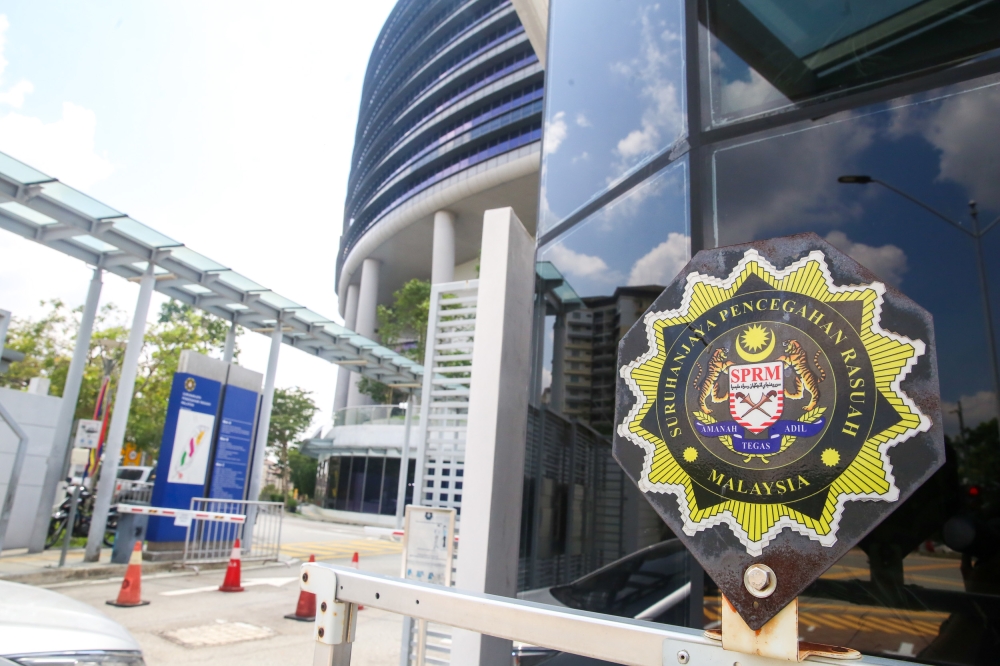
A former Malaysian civil servant is facing a four-day remand by the Kuala Lumpur Malaysian Anti-Corruption Commission (MACC) on suspicion of orchestrating an elaborate fraud scheme that exploited the identities of 11 individuals to unlawfully secure approximately RM300,000 in government assistance payments. The development, announced on July 14, underscores persistent vulnerabilities within Malaysia's aid distribution systems and raises fresh concerns about identity fraud perpetrated by insiders with privileged system access.
Authorities allege that the suspect, operating from within the civil service infrastructure, weaponised his institutional position and knowledge of administrative procedures to manipulate payment channels. By fraudulently registering multiple individuals without their knowledge or consent, the former officer reportedly funnelled relief funds directly into accounts under his control or those of accomplices. The scheme's sophistication suggests deliberate exploitation of loopholes in identity verification protocols that govern benefit disbursement mechanisms across government agencies.
The scope of the alleged fraud—involving 11 distinct identities—indicates this was not a spontaneous opportunistic crime but rather a calculated operation with potential organisation beyond the primary suspect. Investigators are now examining whether additional accomplices facilitated the conspiracy, particularly regarding the actual receipt and movement of fraudulently obtained funds. Such multi-party schemes typically require coordination across multiple access points within bureaucratic systems, suggesting the investigation may expand to implicate other officials.
This case arrives amid growing scrutiny of Malaysia's social safety net programmes, which have expanded significantly to provide relief during economic pressures and pandemic-related disruptions. Government aid schemes, while essential for vulnerable populations, create opportunities for systematic abuse when internal controls remain inadequate or when trusted personnel prioritise personal enrichment over fiduciary responsibility. The MACC's intervention highlights the anti-corruption body's focus on white-collar offences within state institutions, though critics argue such cases often surface only after substantial losses occur.
Identity fraud within civil service contexts represents a particularly insidious form of corruption because perpetrators leverage authentic government infrastructure to create credible fraudulent transactions. Citizens whose identities were misused face potential complications including credit impacts, duplicated benefit claims affecting future eligibility, or involvement in investigations themselves. The psychological and administrative burden on innocent victims often extends long after the criminal case concludes, yet compensation mechanisms remain underdeveloped in Malaysian jurisprudence.
The four-day remand period permits MACC investigators to conduct intensive questioning, examine financial records, and pursue leads regarding fund destinations and potential co-conspirators. Remand duration typically correlates with investigation complexity and flight risk assessment, suggesting authorities view this as a significant breach warranting thorough forensic examination. Digital forensics—tracing email communications, system access logs, and banking transactions—will likely feature prominently in establishing the timeline and scope of fraudulent activities.
Government assistance programmes function as essential safety nets for lower-income Malaysians, pensioners, and households facing temporary hardship. When such systems suffer internal breach, public confidence erodes, potentially discouraging legitimate claimants from accessing entitlements they require. Beyond the immediate RM300,000 loss, this case generates reputational damage to public institutions and necessitates resource allocation toward enhanced verification systems, ultimately diverting funds from actual aid delivery.
The incident reflects broader patterns observed across Southeast Asian bureaucracies where rapid programme expansion outpaces infrastructure development for rigorous oversight. Malaysia's relatively sophisticated government systems can still develop gaps when individual actors hold disproportionate authority over benefit approval and disbursement. Preventive measures—including mandatory dual authorisation for large payments, real-time identity verification against national databases, and periodic system audits—require investment that many agencies have historically deferred.
Comparable cases in neighbouring jurisdictions have demonstrated how identity fraud within social welfare systems can proliferate unchecked for extended periods. Investigation timelines often stretch across years, particularly when tracing funds dispersed across multiple accounts and jurisdictions. The current case's apparent detection, whether through routine audit or whistleblower report, will influence how Malaysian agencies reassess their vulnerability profiles and strengthen preventive architectures.
Prosecution will likely pursue charges under multiple statutes including the Malaysian Anti-Corruption Commission Act, provisions governing fraud, and potentially identity crimes legislation. Sentencing outcomes in comparable cases have ranged from moderate prison terms with restitution orders to substantial sentences for high-value schemes. The final penalty will depend on evidential strength, aggravating factors, and whether the suspect demonstrates cooperation regarding additional suspects or stolen fund recovery.
The MACC's pursuit of this matter signals willingness to investigate white-collar criminals regardless of their former institutional standing, though critics note that detection rates for such crimes remain disproportionately low relative to their estimated prevalence. Strengthening internal audit functions, implementing whistleblower protections, and establishing inter-agency information-sharing protocols could substantially reduce opportunities for similar frauds. Until such systemic reforms materialise, government benefit schemes will continue attracting individuals who perceive enforcement risks as manageable compared to potential personal gains.

