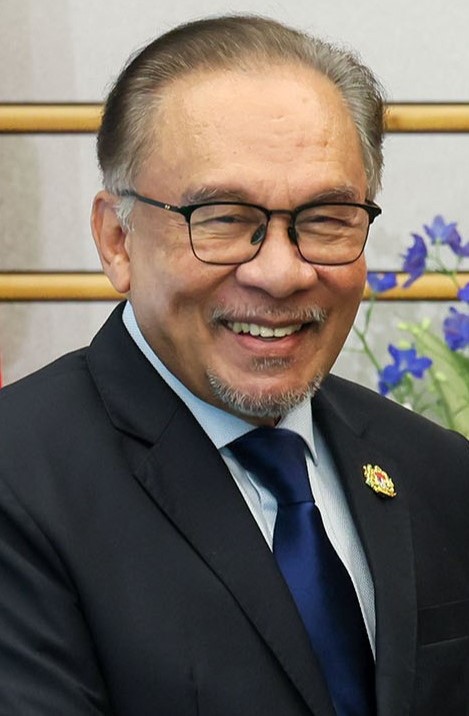
Johor's Barisan Nasional chairman Onn Hafiz Ghazi will stand for re-election in the Machap constituency, cementing his position as a key political figure in the southern state's electoral landscape. The move underscores his continued relevance within the coalition after a period of political transition that saw him rejoin Umno, the BN's dominant component party.
Onn Hafiz's decision to contest the Machap seat represents a significant endorsement from the BN machinery in Johor, one of Malaysia's most politically competitive states. As state chairman, his candidacy carries symbolic weight beyond the individual constituency race, positioning him as a focal point for BN efforts during the campaign. The choice of defending his existing seat rather than moving to another constituency suggests confidence in his grassroots support and institutional backing within the Johor political establishment.
His previous tenure as health minister provided him with a national platform and policy experience that distinguishes him from many state-level politicians. That ministerial background, though now in his past, remains relevant to voter perceptions of competence and administrative capacity. In Johor politics, where industrial development and healthcare infrastructure remain contentious issues, his health sector credentials could appeal to constituencies concerned with public service delivery and medical accessibility.
Onn Hafiz's return to Umno represents a realignment within Johor's political dynamics. His journey reflects broader patterns of political mobility within Malaysia's federal system, where politicians frequently navigate between parties and coalitions. For Umno, his re-entry into the party fold signals an effort to consolidate support among experienced political operators and restore credibility following electoral setbacks at both federal and state levels in recent electoral cycles.
The Machap constituency itself carries strategic importance within Johor's electoral calculus. Positioned within the broader context of southern state politics, the seat's demographic composition and voting patterns will be closely monitored as an indicator of BN's electoral health in the region. Political analysts typically view Johor results as bellwethers for broader national trends, given the state's size, economic significance, and diverse electoral base spanning urban, suburban, and rural areas.
Onn Hafiz's candidacy arrives amid evolving political structures in Johor, where coalition politics remain fluid. The BN's performance in the state has been a matter of internal party discussion, particularly regarding generational renewal and the integration of leadership figures who bring previous governmental experience. His position as state chairman while defending a single seat creates a dual role that emphasises both grassroots engagement and coalition-level strategic direction.
The broader context of Johor politics includes intensifying competition from opposition coalitions and internal BN dynamics involving Umno's relationship with its coalition partners. In this environment, personalities like Onn Hafiz who combine ministerial background with state-level party positions carry disproportionate weight in coalition messaging and campaign strategy. His campaign efforts in Machap will likely reflect both local constituency concerns and broader state-level BN messaging.
For Malaysian political observers, Onn Hafiz's electoral participation offers insights into how experienced figures from previous administrations are being repositioned within Malaysia's evolving political landscape. His candidacy demonstrates that the BN coalition continues to leverage the experience and credibility of former federal officials for state-level electoral contests, a pattern common across Malaysian politics where the federal and state spheres frequently intersect in voter expectations and political narratives.
The Machap contest will ultimately serve as a test of whether Onn Hafiz's ministerial background and party chairman position translate into electoral success during what appears to be a consequential electoral cycle for Johor. His performance in defending the seat will provide measurable data on BN's capacity to mobilise its traditional support bases while potentially expanding appeal among voters concerned with governance experience and administrative competence. The outcome will likely inform broader discussions within Umno and the BN coalition regarding the strategic deployment of senior party figures in future electoral contests across Malaysia's states.