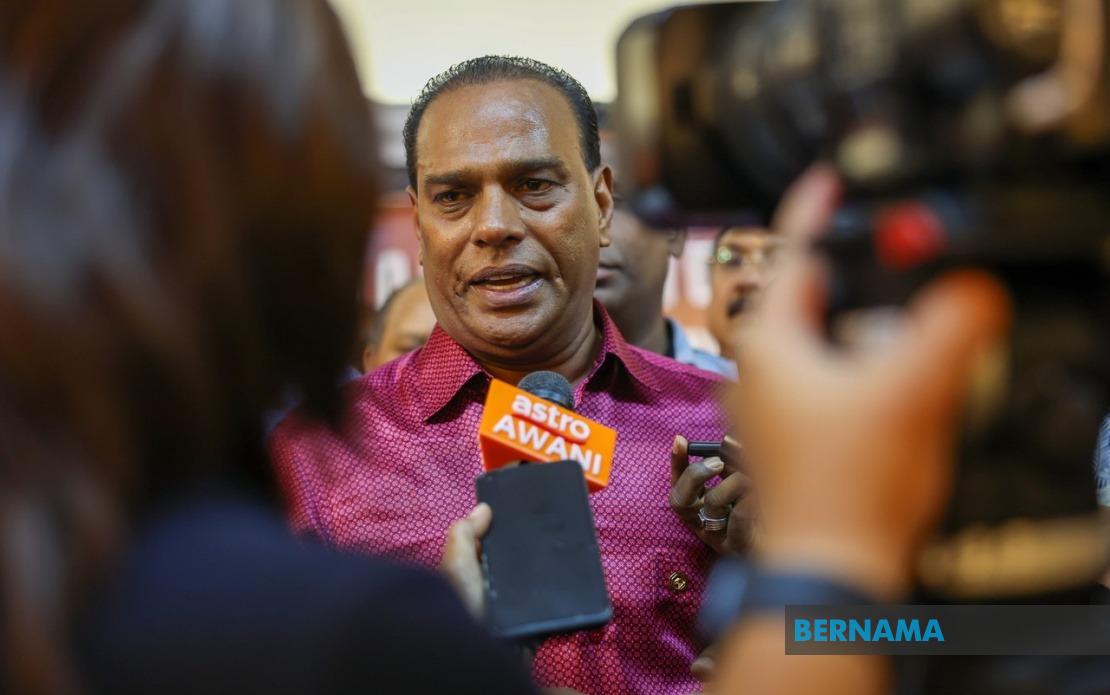
Former Human Resources Minister Datuk Seri M. Saravanan has publicly acknowledged that he will appear before the Sessions Court tomorrow to answer charges related to foreign worker recruitment practices during the height of the COVID-19 pandemic in 2022. The confirmation came as the Malaysian Anti-Corruption Commission issued a media advisory, signalling the imminent prosecution of the Tapah MP on alleged corruption-related offences.
The charges against Saravanan, who also serves as deputy president of the Malaysian Indian Congress, stem from allegations contained in a third-party statement that allegedly implicated him in improper hiring practices for foreign labourers. The former minister has maintained his innocence, stating categorically that he will mount a vigorous legal defence against the accusations. In a video message released to media outlets, he expressed his readiness to contest the charges through the judicial system.
Central to Saravanan's defence is his assertion regarding the source of the allegations. He contends that the individual who initially made the statement linking his name to the foreign worker matter has since passed away, approximately two months prior to the anticipated court proceedings. More significantly, Saravanan notes that before his death, this individual executed a Statutory Declaration formally retracting the allegations previously made against the former minister.
The former HR minister has persistently denied any direct contact or communication with the individual in question, whether through telephone conversations or text messaging. This denial forms a cornerstone of his defence strategy, as he seeks to distance himself from the initial allegations and establish the absence of any direct involvement in the alleged misconduct. The retraction via Statutory Declaration, coupled with the witness's subsequent death, presents an unusual procedural and evidentiary challenge for the prosecution.
The charges being pursued fall under Section 16 of the Malaysian Anti-Corruption Commission Act 2009, which addresses offences related to soliciting, receiving, giving, promising, or offering bribes. These provisions represent serious criminal charges that carry significant potential penalties, reflecting the gravity with which authorities treat corruption allegations involving public officials. The specific application to the foreign worker hiring context suggests involvement in what authorities may view as improper financial arrangements or benefits related to recruitment practices.
The recruitment of foreign workers during the pandemic era has proven a contentious policy area across Southeast Asia, with allegations of corruption and mismanagement frequently emerging in various countries. Malaysia's experience reflects broader regional challenges in managing migrant labour programmes, particularly during the disruption caused by COVID-19 travel restrictions and economic dislocation. The involvement of a former minister in hiring practices raises questions about oversight mechanisms within government departments responsible for such matters.
Saravanan's legal team has indicated its intention to file an application before the Sessions Court seeking to expedite proceedings and prevent unnecessary delays in the trial. This procedural move suggests confidence in the defendant's position and a desire to bring the matter to resolution swiftly. The expedited trial request may reflect both the political dimensions of the case and the desire of the former minister to clear his name without prolonged legal uncertainty.
The case comes at a sensitive moment for Malaysia's ongoing efforts to strengthen anti-corruption frameworks and demonstrate the independence of the MACC. Public confidence in anti-corruption enforcement depends critically on consistent and transparent prosecution of allegations against officials of all levels, regardless of party affiliation. The proceedings will be closely observed by civil society organisations and political observers monitoring the government's commitment to accountability.
The foreign worker hiring practices under scrutiny occurred during a period of significant labour market disruption. The pandemic created unprecedented challenges for employers seeking to maintain workforce levels, leading to increased scrutiny of hiring practices and potential shortcuts taken to fill labour gaps. Malaysia's reliance on foreign workers across construction, manufacturing, and domestic service sectors made labour recruitment policies particularly significant during this period.
Saravanan's position as MIC deputy president adds a political dimension to the proceedings. The Malaysian Indian Congress, as one of the oldest constituent members of the Barisan Nasional coalition, occupies a distinctive role in Malaysia's political landscape. The legal challenges facing a senior party figure inevitably intersect with broader party dynamics and coalition politics.
The involvement of the MACC in prosecuting the charges underscores the commission's mandate to pursue corruption allegations involving abuse of public office and authority. The agency's track record in investigating and prosecuting high-profile cases has evolved substantially over recent years, reflecting both operational improvements and changing political contexts. The Saravanan matter represents one of several investigations touching on pandemic-era government decisions and procurement practices.
Looking forward, the court proceedings will likely establish important jurisprudential precedents regarding evidence standards when key witnesses are deceased and allegations have been formally retracted. The case will also shed light on evidentiary burdens facing prosecutors when attempting to establish corruption offences involving third-party statements and withdrawn allegations. These legal dimensions extend beyond the immediate facts to influence how similar cases may be handled in future prosecutions.

