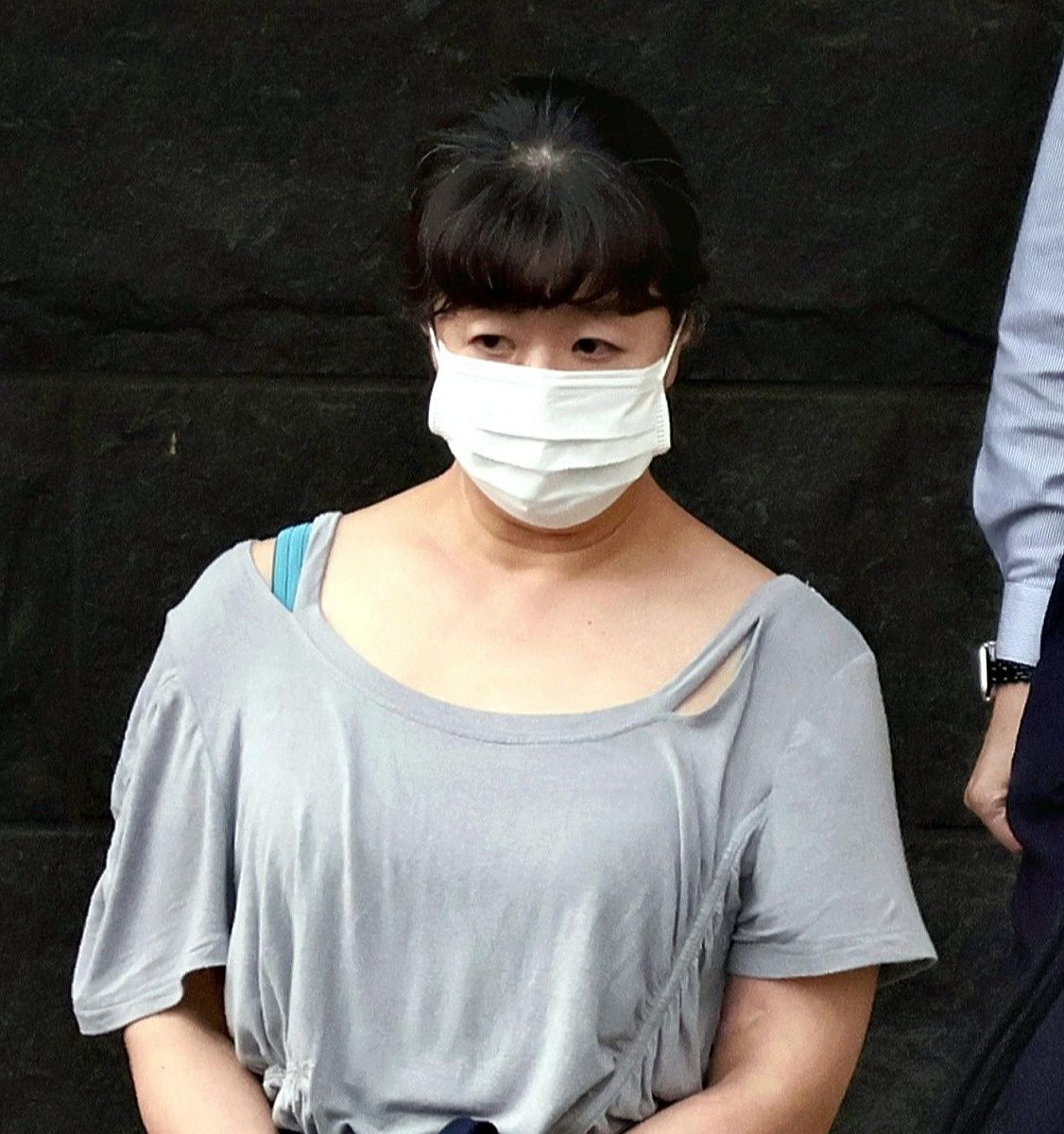
Police in Chiba Prefecture, Japan, have arrested a 51-year-old woman on suspicion of deliberately introducing faeces into a patient's intravenous line, an act that resulted in the death of a 75-year-old man at a Tokyo-area hospital. The arrest of Miyuki Furukawa, who was employed as a nurse at Kashiwa Tanaka Hospital, marks a disturbing case of alleged harm inflicted by a healthcare professional on a vulnerable patient in a facility designed to provide care and treatment.
The victim, Eiji Aida, died on January 31 after his health deteriorated sharply following the suspected contamination incident that occurred during the early morning hours of January 30. Medical investigations determined that the man's death resulted from multiple organ failure brought on by severe sepsis, a life-threatening condition triggered by bacterial infection. Testing of his blood revealed the presence of bacteria typically found only in human faecal matter, establishing a direct link between the contamination and the fatal cascade of medical complications that followed.
According to investigative records, Furukawa is believed to have introduced the faecal matter into the extension tube of Aida's IV drip at approximately 3:55 am on January 30. Security camera footage from the hospital captured the suspect entering and leaving the patient's room around the time of the alleged incident. When Aida's condition began deteriorating unexpectedly, medical staff initiated emergency treatment, but despite their efforts, the infection had already progressed too far. The patient was pronounced dead roughly nineteen hours after the suspected contamination, at approximately 10:30 pm on January 31.
The discovery of the contamination itself emerged through vigilant observation by another hospital employee who noticed discolouration inside the IV line extension tube days after the incident occurred. This colleague reported the suspicious finding to Kashiwa Police on February 1, noting the possibility that a foreign substance had been deliberately introduced into the medical equipment. The alert prompted police to launch a formal investigation that eventually focused on Furukawa's activities during the relevant time period.
Investigators uncovered evidence suggesting premeditation and intent. Records show that Furukawa had conducted internet searches on her personal smartphone for phrases including "faeces injection — Will [he] die?" This digital footprint suggested deliberate research into the potential lethal consequences of such an action. Additionally, investigators determined that Furukawa and Aida had previously engaged in an argument, establishing a potential motive rooted in personal conflict rather than accident or negligence.
When confronted with the allegations, Furukawa denied the charges, stating: "I deny inserting faeces into the tube." Despite her denial, the convergence of circumstantial evidence—the security footage placing her in the room, her internet searches about lethal injection methods, her prior conflict with the victim, and the laboratory confirmation of faecal bacteria in the patient's bloodstream—has led authorities to proceed with the arrest and investigation.
The case has profound implications for hospital safety protocols across Japan and raises uncomfortable questions about institutional vulnerability to deliberate sabotage by insiders. Healthcare workers occupy positions of extraordinary trust, with access to patients during vulnerable moments when they cannot defend themselves. Furukawa's employment history adds another troubling dimension: by the time of her arrest in mid-July, she had moved on to employment as a midwife at another Tokyo hospital, meaning she had access to additional vulnerable patients, including newborns and postpartum women, during the months between her departure from Kashiwa Tanaka Hospital in late February and her arrest.
For Malaysian healthcare administrators and policymakers, this case underscores the necessity of rigorous background screening, psychological evaluation, and ongoing monitoring of healthcare workers. The incident demonstrates how standard security measures, while valuable, may be insufficient without complementary systems for detecting unusual behaviour patterns or technological surveillance of employee activities that might indicate harmful intent. Hospitals across Southeast Asia should examine whether their current protocols adequately safeguard patients from deliberate harm perpetrated by trusted staff members.
Aoikai, the organisation operating Kashiwa Tanaka Hospital, released a carefully worded statement acknowledging the severity of the breach: "This is an absolutely unforgivable act for someone working at a medical institution and as a human being." The organisation pledged full cooperation with investigative authorities while committing to transparency regarding the circumstances surrounding the tragedy. This position reflects the reputational crisis such incidents create for healthcare institutions and the imperative for swift, unambiguous responses.
Chiba prefectural police continue their investigation into Furukawa's motive and the complete circumstances of how the contamination occurred. Authorities are working to determine whether this represents an isolated incident or whether additional victims may have been subjected to harmful acts by the same individual. The investigation will likely examine employment records, patient outcome data from all facilities where Furukawa worked, and any complaints or concerns raised by colleagues or family members of other patients under her care.

