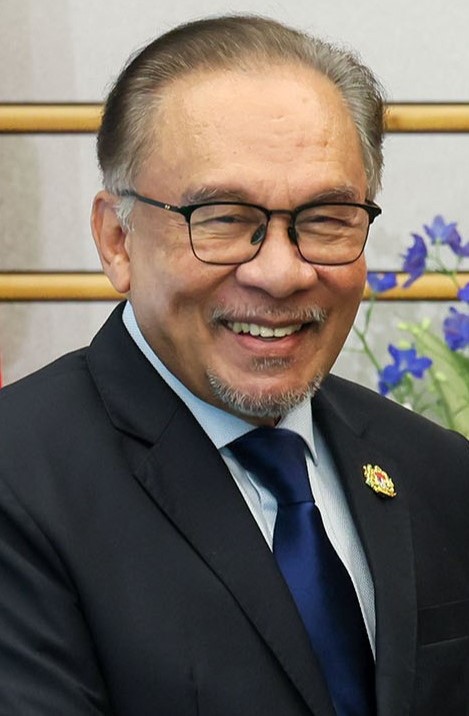
Datuk Dr Sahruddin Jamal, the former Johor menteri besar, has officially announced his intention to contest the Bukit Kepong state seat during the 16th Johor election scheduled for July 11. The decision marks a significant moment in Johor's political landscape, as the veteran politician seeks to maintain his foothold in the state legislature despite no longer holding the chief minister's office.
Bukit Kepong has been a substantial constituency for Sahruddin within the Johor assembly, and his continuation as a candidate demonstrates his confidence in retaining electoral support from local voters. The timing of his confirmation comes as various political parties across Malaysia prepare their machinery for the state-level contest, with Johor representing one of the nation's most electorally significant battlegrounds given its size and political influence within the broader Malaysian federation.
The former menteri besar's participation adds complexity to the electoral dynamics in Johor, which has seen considerable political movement in recent years. His experience in leading the state administration brings both recognition and scrutiny, as voters weigh his previous governance record against the platforms of competing candidates and parties. The July 11 election will test whether local constituencies value continuity with established political figures or favour fresh alternatives.
Johor's 16th state election occurs within a broader pattern of Malaysian electoral activity, with various state and federal contests determining the composition of legislatures nationwide. The timing and frequency of these elections reflect the constitutional framework governing Malaysia's parliamentary democracy, where state assemblies function semi-autonomously while operating within the larger federal structure. Johor, as one of Malaysia's most populous and economically significant states, carries particular weight in these political calculations.
Sahruddin's background as menteri besar provides him with administrative credentials that may appeal to voters prioritising governance experience. Conversely, voters dissatisfied with his tenure or seeking changes to state policy directions may view the election as an opportunity to support alternative candidates. Political dynamics in Johor have demonstrated considerable volatility in recent election cycles, reflecting broader national trends toward more competitive and unpredictable electoral outcomes.
The Bukit Kepong constituency itself reflects the diversity characteristic of Johor's constituencies, blending urban and semi-rural populations with varying demographic compositions and economic interests. Candidates contesting such seats must address multiple constituency priorities simultaneously, from infrastructural development to economic opportunity creation and social services provision. Sahruddin's personal profile as a former chief minister may carry weight with some voters while potentially inviting greater scrutiny of his previous administrative decisions from others.
Political parties across Malaysia's spectrum will monitor developments in the Johor election closely, as state-level results frequently provide indicators of broader national political sentiment and regional shifts in voter preferences. Johor's electoral outcome could influence strategic calculations for future federal elections and affect the balance of power within state and national government structures. The concentration of experienced politicians contesting seats like Bukit Kepong underscores how major states attract both established and emerging political talent.
The confirmation of Sahruddin's candidacy allows voters in Bukit Kepong to engage with the decision of whether to return a former state leader to the assembly or support alternative candidates offering different visions and policy directions. This choice occurs within the context of Malaysia's ongoing democratic processes, where regular elections provide mechanisms for political participation and accountability. The July 11 date provides a defined timeframe within which campaign activities and political engagement will intensify across Johor.
As the election approaches, voter engagement and turnout will significantly influence outcomes across all constituencies, including Bukit Kepong. Political observers will examine whether former office-holders like Sahruddin maintain electoral advantages based on their previous experience or whether contemporary political preferences favour different candidates and parties. The 16th Johor election will ultimately reveal current voter sentiment regarding governance, political change, and the direction the state should pursue in the coming years.