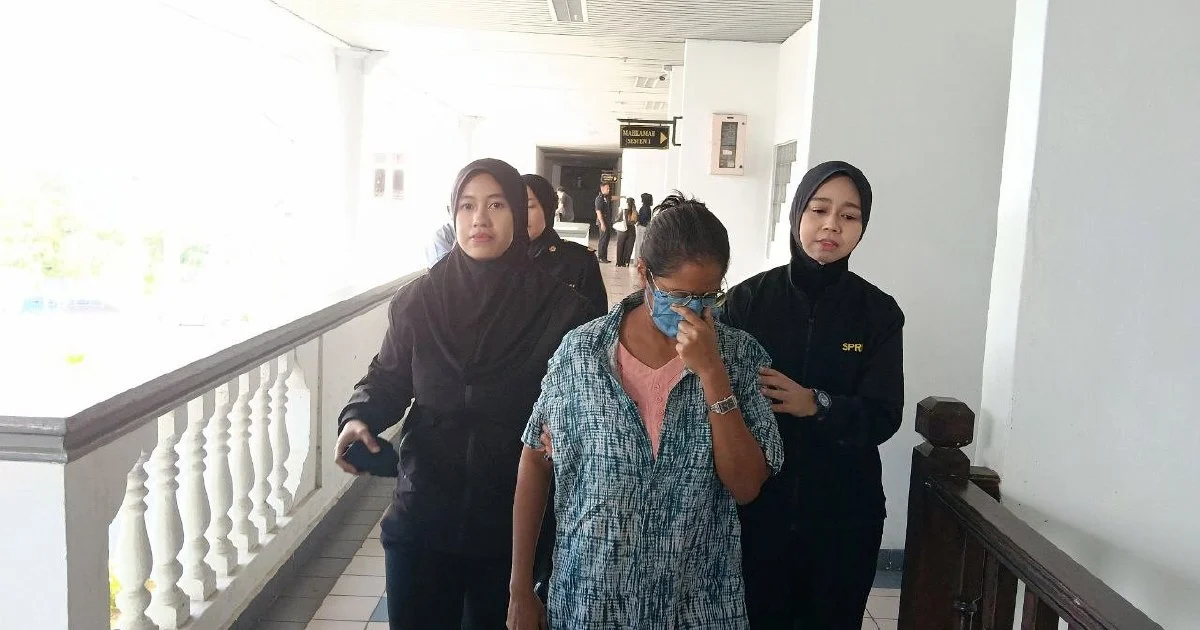
A former high-ranking Melaka state administrative official made his first court appearance at the Ayer Keroh Sessions Court, accused of orchestrating a significant financial fraud scheme that allegedly defrauded state executive council members of over RM60,000. The seven charges against the ex-civil servant encompass both misappropriation of public funds and deliberate deception, marking a serious breach of the public trust and fiduciary responsibilities expected of government personnel.
The involvement of state exco members as victims in this case underscores how fraud within government structures can reach senior decision-making levels. Rather than representing isolated misconduct by a single actor, the scheme allegedly exploited the administrative processes and approval systems that senior officials depend upon, suggesting potential gaps in the internal checks designed to prevent such irregularities. The targeting of exco members indicates either a sophisticated understanding of how state finances flow or a brazen disregard for accountability protocols.
Financial crimes within state administrations carry particular weight in Malaysia's governance landscape, where public confidence in institutional integrity directly affects service delivery and public compliance with government initiatives. Melaka, as a key economic and administrative hub on the west coast of Peninsular Malaysia, must maintain robust financial stewardship to support its development ambitions and investor confidence. Any compromise in this area sends ripples through the state's institutional credibility.
The scale of the alleged misappropriation—exceeding RM60,000—places this firmly in the category of substantial financial impropriety rather than minor administrative irregularities. For perspective, this amount represents the annual operational budget of several smaller government departments and could have funded critical public services. The nature of the charges suggests a pattern of deliberate deception rather than simple accounting errors, indicating premeditation and sustained dishonesty.
Civil servants occupy positions of particular trust within Malaysia's administrative apparatus. Their access to financial systems, approval signatures, and administrative authority creates opportunities for fraud that ordinary citizens do not possess. When someone in such a position betrays that trust, it necessitates heightened scrutiny of related transactions and raises questions about supervisory oversight mechanisms that should have detected irregularities sooner. The case may prompt state-level audits of similar transactions conducted during this official's tenure.
The Ayer Keroh Sessions Court jurisdiction indicates this case carries sufficient gravity to bypass lower courts entirely, reflecting the seriousness with which prosecutors view the allegations. Sessions Courts in Malaysia handle cases involving larger financial amounts and more complex circumstances than magistrates' courts typically address. The prosecution's decision to proceed at this level suggests confidence in the evidence and an assessment that significant custodial sentences may be warranted upon conviction.
For Southeast Asian readers, this case exemplifies challenges facing the region's public sector as it grapples with institutional corruption and financial discipline. Malaysia has made considerable progress in anti-corruption enforcement through bodies like the Malaysian Anti-Corruption Commission, yet incidents involving state-level officials remind observers that vigilance cannot be relaxed. Each jurisdiction must continually strengthen internal controls, audit procedures, and whistleblower protections to prevent such breaches.
The proceedings at Ayer Keroh will likely attract attention from accountability advocates and public administration observers who view such prosecutions as barometers of institutional health. The vigor with which authorities pursue charges against senior officials sends important signals about commitment to equal application of the law and the principle that government employees are not above the justice system. Conversely, any perception of lenient treatment would undermine public faith in prosecutorial independence.
State exco members affected by the alleged scheme must navigate complex political and administrative consequences beyond the criminal justice process. The breach of trust by a civil servant they relied upon creates both operational disruptions—as financial procedures undergo review—and reputational challenges, particularly if the misappropriation occurred with inadequate oversight from their offices. This dimension may prompt broader institutional reforms in how state governments handle financial accountability.
The charges emerging from this investigation will establish precedent regarding the boundaries of official misconduct within Melaka's public administration. How courts interpret the evidence and apply sentencing guidelines in this case will influence future cases and shape behavior among civil servants contemplating similar transgressions. The trial outcome will also inform policy discussions about strengthening preventive measures and detection systems across Malaysian state governments, potentially leading to sector-wide reforms in financial governance and oversight procedures.