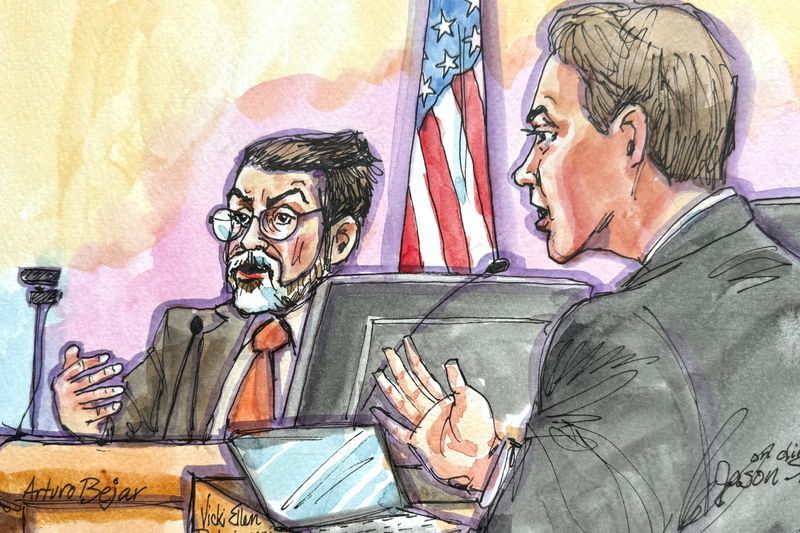
A former engineering director at Meta Platforms is continuing his testimony in a landmark trial that could fundamentally reshape how Facebook and Instagram operate in the United States. Arturo Bejar, who spent six years at the company between 2009 and 2015 and later returned as an independent contractor until 2021, has positioned himself as a key witness in accusations that Meta deliberately designed its platforms to addict young users while concealing evidence of serious harms to their wellbeing.
The trial taking place in Oakland, California represents the most significant legal challenge yet to the social media industry's practices affecting minors. Four states—California, Colorado, Kentucky and New Jersey—are bringing claims that Meta knowingly engineered addictive features into its platforms while misleading consumers about their safety credentials. An additional 29 states have joined the case with allegations that Meta violated federal law by improperly collecting and using personal data from children under 13 years old. The proceedings are expected to run for six weeks, with Bejar as the first witness to testify after opening statements from both sides.
Bejar's role in the case carries particular weight because of his direct involvement in Meta's internal research on how its platforms affect young people. Between 2019 and 2021, he worked with teams conducting surveys and examining wellbeing metrics on Instagram. During his testimony, he highlighted what he described as fundamental flaws in how Meta monitored potential harms. Rather than measuring the actual impact of content on users, the company's surveillance systems focused primarily on whether material violated explicit company policies. This distinction proved crucial to his argument: something could be technically allowed under Meta's rules while still causing measurable damage to young users' mental health.
In one particularly telling moment, Bejar read directly from an email he had sent to Meta's Chief Product Officer Chris Cox. The message pointed out a significant gap between the prevalence of problematic content that Meta officially reported and the level of actual harm that users themselves were experiencing. Bejar testified that young people were encountering concerning content at extraordinarily elevated rates and argued that parents deserved access to this reality rather than sanitised reassurance from the company. His assertion that Meta possessed knowledge of these harms contradicts the company's defence strategy, which maintains that it has consistently prioritised teen safety and stands behind its protective measures.
Meta has vigorously denied all allegations in the trial and sought to limit Bejar's impact as a witness. The company argued unsuccessfully that his opinions extended beyond the proper scope of his actual work responsibilities at Meta. Additionally, Meta attempted to block his testimony altogether by citing his deletion of communications with other former employees via the encrypted messaging platform Signal. The company suggested this constituted evidence tampering, particularly given statements Bejar had made during an ongoing separate trial in Tennessee. However, U.S. District Judge Yvonne Gonzalez Rogers rejected this challenge, characterising the effort to exclude him as a long-shot attempt to sideline a key witness.
Bejar's willingness to testify represents a broader pattern of internal Meta critics coming forward. In 2023, he appeared before a U.S. Senate committee to testify that Facebook and Instagram's parent company had full awareness of harassment and other harms affecting teenagers on its platforms yet failed to implement adequate remedial action. His public advocacy for stronger protections has made him the target of Meta's defensive strategy, yet also strengthened his credibility with regulators and legal authorities scrutinising the company's practices.
The broader litigation landscape against Meta extends far beyond this Oakland courtroom. Bejar has already served as a key witness in three other cases that proceeded to trial, giving him unique standing as an insider willing to detail the company's internal knowledge and decision-making processes. One case brought by New Mexico resulted in damages and penalties totalling 942 million dollars, along with a judicial order requiring Meta to make specified changes to how it operates its platforms within that state. The existence of thousands of additional lawsuits pending against Meta signals that this Oakland trial may set important precedents for how courts evaluate social media companies' obligations to protect minors.
For Malaysian and Southeast Asian observers, this trial carries significant implications even though it focuses on the US regulatory environment. Meta's platforms, particularly Facebook and Instagram, maintain dominant market positions across the region, and the company's actual operational practices are likely to reflect similar approaches to user engagement regardless of jurisdiction. Any court-ordered changes resulting from this trial could eventually influence how the company operates globally. Additionally, the testimony and evidence presented may inform ongoing regulatory discussions about social media governance in Malaysia and other ASEAN nations, where governments are increasingly scrutinising how platforms affect young users.
The trial also highlights the broader tension between Meta's commercial interests and public health concerns. The company's engagement-driven algorithms and addictive design features generate substantial advertising revenue, creating powerful financial incentives to maintain existing systems. Bejar's testimony directly addresses whether Meta had alternative design options that would have balanced user engagement with user welfare, suggesting the company made deliberate choices that prioritised addiction potential over safety considerations. This framing transforms the case from a question of whether Meta knew about harms into the more damaging question of whether the company consciously ignored its own research to protect profits.
As Bejar's testimony continues, the trial will increasingly examine internal Meta documents and communications that executives sent regarding young users' safety. These materials will test whether the company's public statements about prioritising teen protection align with its actual internal discussions and priorities. The trial's outcome could require substantial modifications to how Meta's most profitable platforms operate, potentially reducing the engagement metrics that drive advertising revenue but improving user wellbeing.

