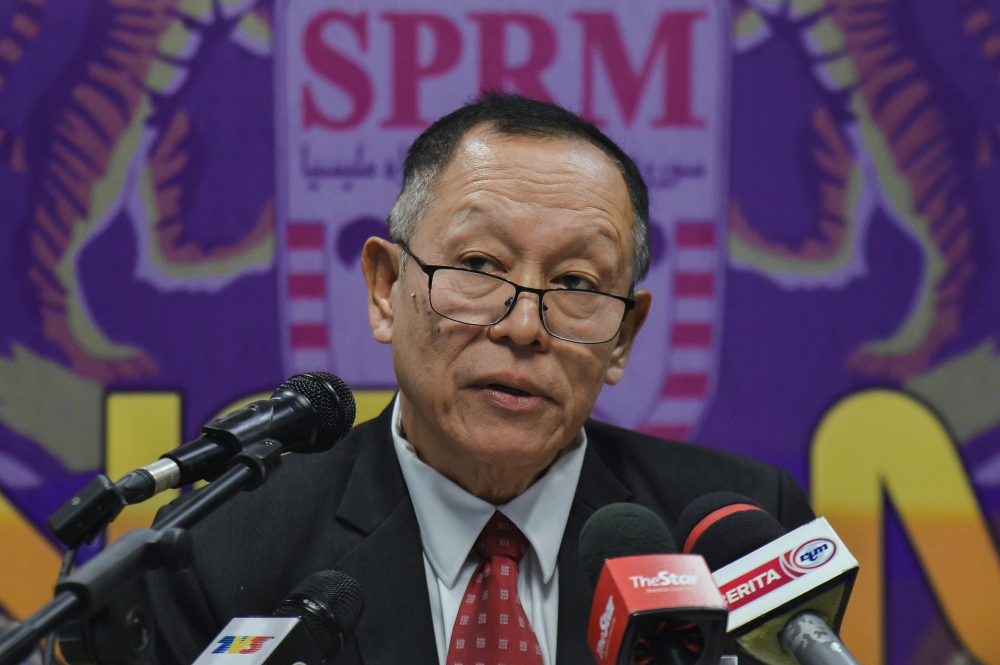
The Malaysian Anti-Corruption Commission has taken into custody the former chief executive and chief financial officer of a major plantation enterprise as part of an expanding investigation into alleged abuse of power centring on a RM370 million commercial transaction. The detentions mark a significant escalation in the MACC's enforcement activity within Malaysia's plantation industry, a sector that has faced mounting scrutiny over governance standards and fiduciary responsibility in recent years.
The pair face accusations of exploiting their official positions to facilitate what investigators believe was an improperly conducted business agreement. The nature of the transaction and the precise mechanisms through which the alleged misconduct occurred remain under examination as MACC officials conduct interrogations and compile evidence. Industry observers note that cases involving senior executives at large plantation companies carry particular weight given the sector's substantial contribution to Malaysia's export revenues and employment.
The plantation industry remains integral to the Malaysian economy, with companies in this space managing vast land holdings and overseeing significant capital flows. Recent corporate scandals and governance lapses at several major enterprises have prompted calls for stronger internal controls and more rigorous regulatory oversight. The MACC's intervention in this case reflects broader efforts to enforce accountability standards across the sector and signal that positions of authority will not shield individuals from investigation.
The RM370 million quantum involved elevates the case's significance within Malaysia's anti-corruption framework. Large-value transactions involving abuse of corporate authority typically attract heightened prosecutorial attention, as such conduct can undermine shareholder confidence and damage market integrity. The Commission has been progressively building capacity to examine complex financial arrangements within major corporations, employing forensic accounting techniques to trace fund flows and identify irregularities.
For Malaysian shareholders and institutional investors, arrests of this nature reinforce concerns about governance vulnerabilities in some publicly listed companies. Corporate malfeasance at executive level not only breaches fiduciary duties but can also expose companies to regulatory sanctions, financial penalties, and reputational damage that resonates across supply chains and investor portfolios. Southeast Asian markets have demonstrated heightened sensitivity to governance lapses, with institutional investors increasingly factoring in corporate integrity assessments when making allocation decisions.
The detention carries implications for how Malaysian regulators approach corporate accountability moving forward. The MACC's actions signal that regardless of an individual's seniority or the prominence of the company involved, allegations of abuse of power will be pursued through formal investigation and, where warranted, prosecution. This consistency in enforcement approach helps establish clearer deterrent effects and underscores the cost of governance violations at the executive level.
The plantation sector, which encompasses both commodity production and downstream operations, has undergone considerable transformation over the past decade. Major players have expanded internationally, taken on greater environmental and sustainability commitments, and navigated complex regulatory frameworks across multiple jurisdictions. Against this backdrop, maintaining robust internal governance and transparent decision-making processes becomes ever more critical, as lapses can jeopardise corporate reputation across global operations and stakeholder relationships.
Investigations of this scale typically involve examination of board minutes, financial records, external consultant reports, and communication trails between senior executives. The MACC's forensic teams will likely reconstruct the decision-making process surrounding the RM370 million transaction to establish whether proper authorisation channels were followed and whether competitive processes were observed. Such granular investigation work, though time-intensive, generates the documentary evidence necessary to sustain charges in court proceedings.
The broader context includes ongoing efforts by Malaysian regulators to combat what has sometimes been characterised as a culture of corporate excess and inadequate accountability at boardroom level. The Companies Commission of Malaysia, Bursa Malaysia, and the Securities Commission have all intensified their focus on governance compliance in recent years. The MACC's arrest of these executives fits within this coordinated regulatory effort to elevate corporate standards across the economy.
For other plantation and agribusiness firms operating in Malaysia, the case serves as a cautionary reminder of the importance of governance rigour. Executive compensation structures, acquisition approvals, and major capital deployment decisions warrant documented justification and proper board oversight to prevent accusations of impropriety. Investors and stakeholders increasingly demand transparency in how senior management deploys corporate resources, particularly in transactions that deviate from standard business practices.
The investigation is expected to extend over several months as authorities gather comprehensive evidence and conduct further interviews with potentially relevant parties, including board members, external auditors, and business counterparties to the disputed transaction. The pace and findings of this inquiry will likely influence how similar cases are examined across the broader corporate landscape.

