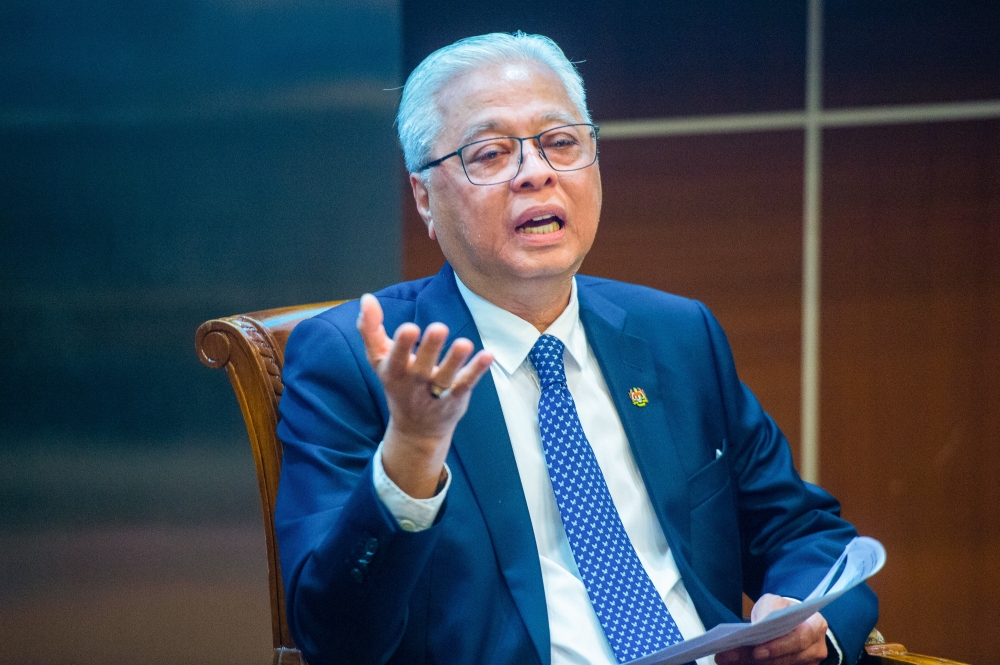
Former Prime Minister Datuk Seri Ismail Sabri Yaakob has successfully undergone pacemaker implantation at Institut Jantung Negara (IJN) and is reported to be in stable condition following the procedure. The cardiac device was implanted to regulate his heart rhythm and address underlying cardiac concerns that required medical intervention. Medical staff at the facility have confirmed that the operation proceeded without complications and that the former premier is progressing as expected during his recovery phase.
The implantation of a pacemaker represents a significant intervention for cardiac patients whose hearts struggle to maintain an adequate and consistent rhythm. The device works by sending electrical impulses to the heart muscle, ensuring that it beats at a steady rate and that blood is circulated efficiently throughout the body. For politicians and public figures in Malaysia, undergoing such procedures often draws considerable public attention, particularly when the individual has held high office and remains active in the political sphere.
Ismail Sabri served as Malaysia's 28th Prime Minister from August 2021 to August 2022, leading the country through a period that included managing the final phase of the COVID-19 pandemic and preparing the nation for general elections. His tenure followed the political upheaval of 2020 that saw the collapse of the Pakatan Harapan government. During his time in office, he navigated complex coalition politics and economic recovery challenges while attempting to stabilise the government after months of political volatility.
Beyond his time as Prime Minister, Ismail Sabri has maintained a prominent role in Malaysian politics as a senior United Malays National Organisation (UMNO) leader and Bera Member of Parliament. He has continued to be a vocal presence in parliamentary proceedings and party deliberations, contributing to debates on national policy and governance matters. His active engagement in political discourse suggests that his medical condition, while requiring intervention, has not diminished his commitment to public service.
Institut Jantung Negara, where the procedure took place, is Malaysia's premier cardiac care facility and serves as the national heart centre. The institution is renowned for conducting complex cardiac interventions and treating patients with serious heart conditions. Its expertise in procedures such as pacemaker implantation has established it as a centre of excellence not only for Malaysian patients but also for regional medical tourism and referrals from neighbouring countries. The facility's reputation for delivering successful outcomes makes it the logical choice for such procedures involving prominent figures.
The successful completion of the implantation underscores the quality of medical care available within Malaysia's healthcare system. Pacemaker procedures have become routine in modern cardiology, yet they remain significant interventions that require specialised expertise and state-of-the-art facilities. The positive outcome reflects the capability of Malaysian cardiac specialists to manage such cases effectively and the availability of advanced medical technology within the country.
For former political figures undergoing major medical procedures, recovery extends beyond the physical healing process. Adjustment to life with an implanted device requires patients to modify certain aspects of their daily routines and activities. However, modern pacemakers are sophisticated devices designed to allow recipients to return to relatively normal lifestyles while providing essential cardiac support. Many individuals who receive pacemakers go on to maintain active professional and personal commitments, though they typically follow medical guidelines regarding strenuous activities and electromagnetic exposure.
The timing of Ismail Sabri's hospitalisation comes as Malaysia's political landscape continues to evolve. With parliamentary sessions, committee meetings, and party activities regularly occupying senior politicians' schedules, any extended medical absence inevitably affects political dynamics. The swift resolution of his medical situation and his stable recovery position suggest that he may resume his parliamentary and party duties once cleared by medical professionals.
From a broader public health perspective, high-profile cases of cardiac intervention can raise awareness about heart health and the importance of regular medical check-ups. When prominent public figures undergo treatment for cardiac conditions, it often prompts discussion about cardiovascular disease risk factors and the availability of advanced treatments within Malaysia's healthcare infrastructure. Such visibility can encourage members of the public to seek timely medical advice for symptoms that might otherwise be ignored or delayed.
The medical community's successful management of Ismail Sabri's condition reflects ongoing advances in cardiac care technology and surgical expertise. Pacemaker implantation procedures continue to evolve, with newer devices offering enhanced functionality and longer battery life. Malaysian cardiologists and cardiac surgeons remain at the forefront of implementing such advances, ensuring that patients receive treatment aligned with international best practices.
As Ismail Sabri undergoes his recovery period, well-wishers from across the political spectrum have expressed support for his rehabilitation. Such expressions of goodwill, regardless of political differences, reflect the expectation that public figures' personal health challenges transcend partisan considerations. The focus remains on ensuring his full recovery and return to good health, which would ultimately enable him to continue his contributions to national governance and party leadership.

