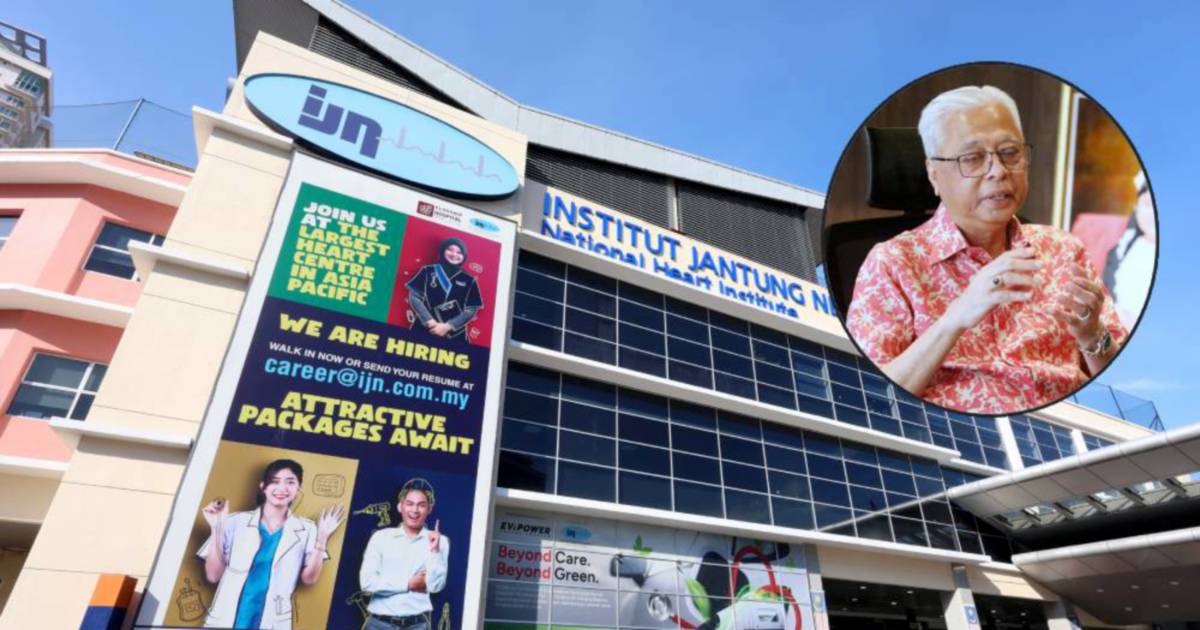
Datuk Seri Ismail Sabri Yaakob, who served as Malaysia's prime minister until 2022, has successfully completed a leadless pacemaker implantation procedure at the National Heart Institute (IJN) in Kuala Lumpur. The former chief executive underwent the treatment after being admitted to the cardiology facility to address complications related to abnormal heart rhythm, a condition that required intervention to prevent potential health complications and restore normal cardiac function.
The procedure represents a significant advancement in cardiac treatment technology compared to traditional pacemaker implants. Leadless pacemakers are considerably smaller than conventional devices and are implanted directly into the heart muscle, eliminating the need for the surgical tunnels and leads that traditional pacemakers require beneath the skin. This innovation reduces the risk of infection, minimises post-operative complications, and provides patients with greater mobility and lifestyle flexibility during recovery and long-term management.
Ismail Sabri's admission to IJN underscores the critical nature of cardiac health management among Malaysia's political elite and high-ranking officials. Abnormal heart rhythms, medically termed arrhythmias, can range from minor irregularities that require monitoring to life-threatening conditions demanding immediate intervention. His case highlights how even individuals in positions of prominence are not immune to age-related cardiovascular conditions and the importance of regular health screening and prompt medical attention when symptoms emerge.
The National Heart Institute has established itself as Malaysia's leading cardiac treatment facility, equipped with state-of-the-art diagnostic and interventional technologies. The successful completion of Ismail Sabri's procedure reinforces IJN's reputation for delivering complex cardiac interventions with strong outcomes. The facility attracts patients not only from across Malaysia but also from neighbouring countries in Southeast Asia seeking advanced cardiac care.
Following the successful implantation, medical professionals have advised the former premier to observe a period of rest and recovery. This standard post-procedure guidance typically encompasses restrictions on strenuous physical activity, careful monitoring of the implant site, and scheduled follow-up appointments to ensure proper device function and integration with the patient's cardiac rhythm. Recovery timelines for leadless pacemaker patients are generally shorter than those for traditional devices, though individual circumstances vary based on overall health status and age.
Ismail Sabri's health situation brings attention to cardiovascular disease prevalence in Malaysia, where heart conditions remain a leading cause of mortality. The country faces rising incidence rates of hypertension, diabetes, and obesity—risk factors that significantly elevate the likelihood of developing arrhythmias and other cardiac complications. Public health initiatives emphasising preventive care, lifestyle modifications, and early detection through regular screening have become increasingly important for managing the disease burden across the population.
The political transition in Malaysia has seen Ismail Sabri step back from his position as prime minister, allowing him to focus on personal health matters. His medical situation will likely prompt broader discussions within Malaysia's political circles about health maintenance and the physical demands of high-office positions. The transparency surrounding his treatment may also encourage other public figures to seek timely medical attention without hesitation, potentially reducing stigma around cardiac conditions among Malaysia's leadership class.
From a medical perspective, the successful implantation of a leadless pacemaker in a patient of Ismail Sabri's age and health profile demonstrates the adaptability of modern cardiac interventions across diverse patient populations. Physicians at IJN would have carefully assessed his candidacy for the procedure, weighing factors such as his cardiac anatomy, overall health status, and life expectancy to ensure the most appropriate treatment approach. The decision to proceed with a leadless device indicates confidence in his suitability for this advanced technology.
The procedure's success also reflects Malaysia's investment in healthcare infrastructure and specialist training. The availability of sophisticated cardiac technologies and trained interventional cardiologists within the country reduces the need for Malaysians to seek treatment abroad, improving accessibility and reducing costs associated with medical tourism. This capacity strengthens the nation's healthcare system and contributes to better health outcomes for cardiac patients across all demographics.
Looking ahead, Ismail Sabri's recovery will require adherence to medical guidance and lifestyle adjustments to optimise pacemaker function and overall cardiac health. Patients with newly implanted pacemakers typically benefit from gentle physical activity, stress management, and continued monitoring of their condition through regular check-ups. His experience serves as a reminder that even public figures must prioritise health management and respond promptly to medical concerns.

