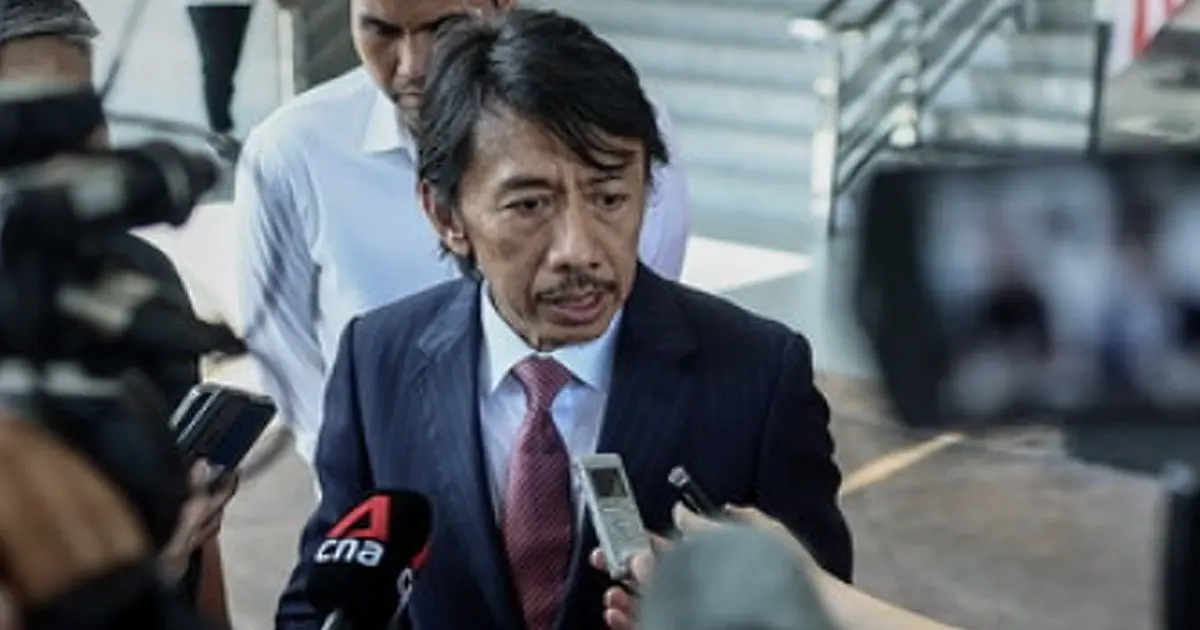
Former Prime Minister Ismail Sabri Yaakob has undergone pacemaker implantation at the National Heart Institute following a diagnosis of abnormal heart rhythm. The procedure was completed this afternoon, marking a significant health development for the high-profile politician who served as Malaysia's eighth Prime Minister from August 2021 to November 2022.
A pacemaker is a battery-powered medical device that regulates the heart's electrical signals, restoring normal rhythm when the heart beats irregularly or too slowly. The implantation of such a device typically indicates that Ismail Sabri had been experiencing arrhythmia—a condition where the heart's rate or rhythm becomes abnormal—severe enough to warrant surgical intervention. Medical teams generally recommend this procedure when medications prove insufficient or when the condition poses risks to overall health and cardiovascular function.
The National Heart Institute, located in Kuala Lumpur, is Malaysia's leading cardiac care facility and a regional centre of excellence for cardiology and cardiovascular surgery. Its selection for Ismail Sabri's procedure underscores the nation's advanced medical infrastructure, available even to former political leaders. The institute handles some of the country's most complex cardiac cases and maintains international standards in both diagnostic and surgical capabilities.
Physicians have advised Ismail Sabri to prioritise rest during the recovery period following surgery. Post-operative recovery from pacemaker implantation typically requires several weeks of reduced physical activity to allow the surgical site to heal properly and permit the device to stabilise within the chest cavity. During this healing phase, patients are generally instructed to avoid strenuous exercise, heavy lifting, and activities that might disturb the newly implanted device.
The development comes as Malaysia's political landscape continues to evolve following the 2023 general election. Ismail Sabri remains an influential figure within the United Malays National Organisation (UMNO) and continues to hold significant parliamentary responsibilities. His relatively brief tenure as Prime Minister was marked by efforts to stabilise the government following political turbulence, though his administration faced criticism over economic management and political consensus-building.
Health matters affecting senior political figures invariably attract public interest in Malaysia, where leadership continuity and governmental stability remain central concerns. The announcement of Ismail Sabri's pacemaker implant will likely prompt discussions about succession planning and the role of aging politicians in Malaysian governance, themes that have gained prominence as the nation's political establishment ages.
The timing of the procedure, coming during Malaysia's current political phase, raises questions about the health management of senior government figures and the balance between public service and personal wellbeing. While cardiac conditions are increasingly common among Malaysia's aging population, their occurrence in prominent political figures often generates broader conversation about healthcare priorities and work-related stress within high-pressure governmental roles.
From a healthcare perspective, the prevalence of arrhythmia among middle-aged and older adults has been rising throughout Southeast Asia, driven by factors including increased hypertension, diabetes, and sedentary lifestyles associated with urbanisation. Malaysia's healthcare system has made substantial investments in cardiac care infrastructure to address this growing burden, with successful outcomes from pacemaker implantations now considered routine at tertiary care institutions.
Ismail Sabri's recovery process will likely be monitored closely by his medical team at the National Heart Institute. Regular follow-up appointments will be necessary to ensure the pacemaker functions optimally and to manage any post-operative complications. Once the initial healing period concludes and his cardiologists determine he is medically cleared, he will be able to resume his parliamentary and political activities, though likely with modified intensity during the gradual rehabilitation phase.
The former Prime Minister's case highlights the reality that serious health conditions can affect Malaysia's political elite without warning, regardless of their access to premium healthcare facilities. His willingness to undergo the necessary procedure and follow medical advice demonstrates a responsible approach to personal health management, setting a noteworthy example for other Malaysians who may face similar cardiac diagnoses. The successful implantation at the National Heart Institute further validates the institution's reputation as a centre of cardiac excellence within the region.

