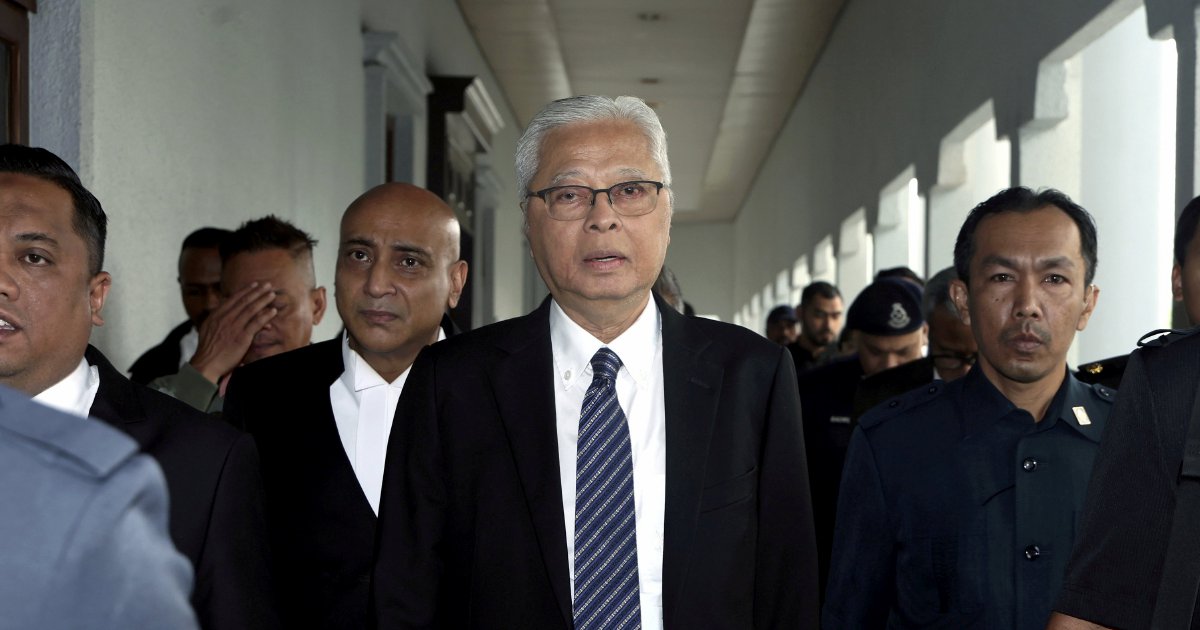
Datuk Seri Ismail Sabri Yaakob's defence counsel has launched a significant challenge to the corruption allegations facing the former prime minister, characterising the charge as unusual and potentially problematic on legal grounds. The lawyer's criticism centres on what he describes as the duplicative nature of the prosecution, suggesting that the same factual circumstances have already been addressed through separate legal provisions within the Malaysian Anti-Corruption Commission Act framework.
This development represents a crucial moment in the ongoing legal proceedings against one of Malaysia's most recent heads of government. Ismail Sabri served as prime minister from August 2021 until November 2022, heading a coalition government during a particularly turbulent period of Malaysian politics. His tenure came after the collapse of the Muhyiddin Yassin administration and preceded the current administration led by Anwar Ibrahim.
The challenge raised by his legal representatives suggests fundamental concerns about prosecutorial strategy and the application of anti-corruption laws. When legal experts describe a charge as 'peculiar', they typically mean that it deviates from established legal practice or raises technical irregularities that could affect the validity of the prosecution. This characterisation implies the defence is building a foundation for potential appeals or motions to quash the charge entirely.
The invocation of separate provisions within the Malaysian Anti-Corruption Commission Act is particularly significant from a legal standpoint. Malaysia's anti-corruption legislative framework contains multiple sections addressing different aspects of corrupt conduct, and prosecutors must carefully select the appropriate provision that best fits the facts of each case. If the defence can successfully demonstrate that the same facts have been prosecuted under a different section previously, this could constitute grounds for invoking protections against double jeopardy or duplicative prosecution under Malaysian law.
For Malaysian readers, this case carries broader implications about accountability and the consistency of law enforcement. The presidency of Ismail Sabri occurred during a period when Malaysia's political landscape was particularly fractious, with coalition governments struggling to maintain stability. His premiership, though relatively brief, was marked by significant fiscal challenges and the need to manage recovery from the COVID-19 pandemic's economic impact.
The legal challenge also reflects the complexity of navigating anti-corruption cases involving high-ranking political figures in Malaysia. The Malaysian Anti-Corruption Commission has faced scrutiny in recent years regarding both the selection of cases to prosecute and the manner in which charges are constructed. When former leaders face prosecution, questions about political motivation versus genuine accountability invariably surface in public discourse, even when such allegations remain unproven.
This matter must be understood within the context of Malaysia's post-2018 political evolution. Following the historic defeat of Barisan Nasional in that year's general election, the country entered a period of reckoning regarding governance and potential misconduct by previous administrations. Several figures associated with earlier governments have faced legal proceedings, though such cases often generate debate about the politicisation of the judiciary and law enforcement institutions.
The characterisation of the charge as peculiar by experienced legal counsel suggests the defence team believes they have identified technical vulnerabilities in the prosecution's case. Whether these challenges will ultimately succeed will depend on how Malaysian courts interpret the relevant statutory provisions and established precedent. However, the very raising of such concerns at an early stage indicates the defence intends to vigorously contest the allegations.
Regionally, Malaysia's handling of high-profile political corruption cases influences perceptions of institutional independence and rule of law across Southeast Asia. How the courts ultimately resolve technical legal challenges to prosecutorial decisions matters beyond the immediate case, affecting confidence in Malaysia's commitment to consistent application of anti-corruption laws regardless of political affiliation.
The proceedings against Ismail Sabri represent one of several ongoing legal matters involving recent Malaysian political leaders. These cases collectively raise fundamental questions about accountability, the proper scope of anti-corruption legislation, and the balance between pursuing genuine wrongdoing and maintaining public confidence that legal processes operate fairly and without political selectivity.
As this case progresses through Malaysia's court system, observers will watch closely whether the defence's characterisation of the charge as peculiar gains traction with the judiciary. The outcome could have precedential value for other politically sensitive cases and shape how future administrations handle questions of legal liability for their officials' conduct.

