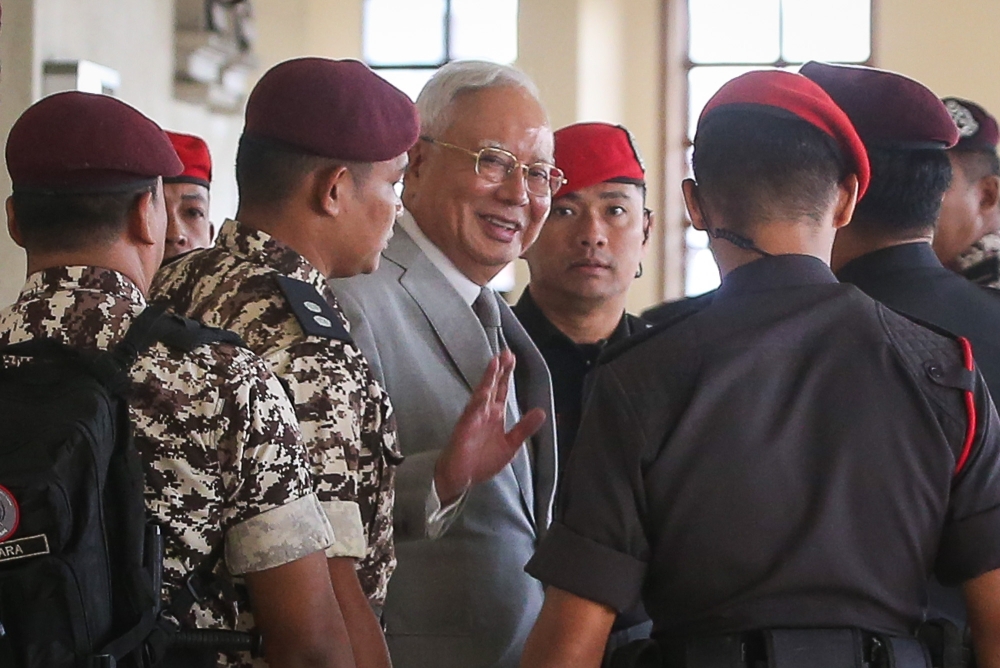
Former Prime Minister Datuk Seri Najib Razak will proceed with a scheduled heart procedure, his legal counsel confirmed on Wednesday, marking a significant development in the health status of Malaysia's ninth leader who has faced considerable legal challenges in recent years. The confirmation from Najib's representative indicates the medical intervention has been arranged and will move forward as planned, though specific details regarding the timing and nature of the cardiac procedure remain under wraps.
The announcement arrives during a particularly complex period for Najib, whose tenure as prime minister ended in 2018 and whose subsequent years have been marked by involvement in high-profile legal proceedings. His health situation now adds another dimension to his personal circumstances, as the former leader navigates both medical requirements and ongoing legal matters that have dominated Malaysian political discourse for several years.
Najib's experience reflects a broader pattern seen among former Asian political leaders who face significant health considerations while managing legal liabilities incurred during their time in office. The intersection of medical necessity and legal process raises questions about how such situations are managed within Malaysia's institutional framework, particularly when prominent figures require urgent medical attention.
The former premier's legal team has been instrumental in managing communications regarding his health and personal affairs throughout his post-tenure period. Their confirmation of the upcoming procedure suggests that medical professionals have determined the intervention is necessary to address cardiac concerns, a development that would typically warrant prioritisation despite other commitments or obligations.
For Malaysian observers and political analysts, Najib's health challenges underscore the demands placed on individuals who hold the nation's highest office and subsequently face intense scrutiny and legal scrutiny. The physical and psychological toll of such circumstances can manifest in health complications that require immediate medical attention, regardless of external pressures or ongoing legal processes.
The timing of such medical procedures often requires careful coordination with judicial schedules and legal proceedings, as individuals undergoing significant surgery must balance health recovery requirements with courtroom obligations. Malaysia's legal and medical systems must accommodate situations where former leaders require urgent interventions while managing their various legal responsibilities, a complexity that tests institutional flexibility.
Najib's case has captured sustained attention from Malaysians interested in governance, accountability, and the personal consequences faced by political figures implicated in major controversies. His upcoming procedure represents a human dimension often overshadowed by the larger political narratives surrounding his administration and the events that followed his departure from office.
The former prime minister's willingness to publicly acknowledge his medical needs through official channels suggests a pragmatic approach to managing his public image during this period. Transparency regarding health matters, when pursued voluntarily, can shape public perception and demonstrate that individuals remain subject to the same biological imperatives as ordinary citizens, regardless of their political standing.
As Najib prepares for the procedure, questions naturally arise about the duration of recovery and any potential impact on his ongoing legal proceedings. Malaysian courts and legal authorities must navigate the practical reality that significant cardiac procedures require substantial recovery periods, during which individuals may be unable to fulfil certain legal or institutional obligations.
The situation illustrates how personal health crises intersect with public accountability mechanisms in democratic societies. When former leaders require serious medical intervention, institutions must balance compassion and practical necessity against the public interest in ensuring accountability for their actions while in office.
For the broader Malaysian political landscape, Najib's health announcement serves as a reminder that the consequences and complications of previous administrations continue to unfold in unpredictable ways. The legal, political, and now medical dimensions of his post-tenure journey will likely remain subjects of public interest and institutional management for some time to come, affecting how Malaysians understand governance and leadership accountability.

