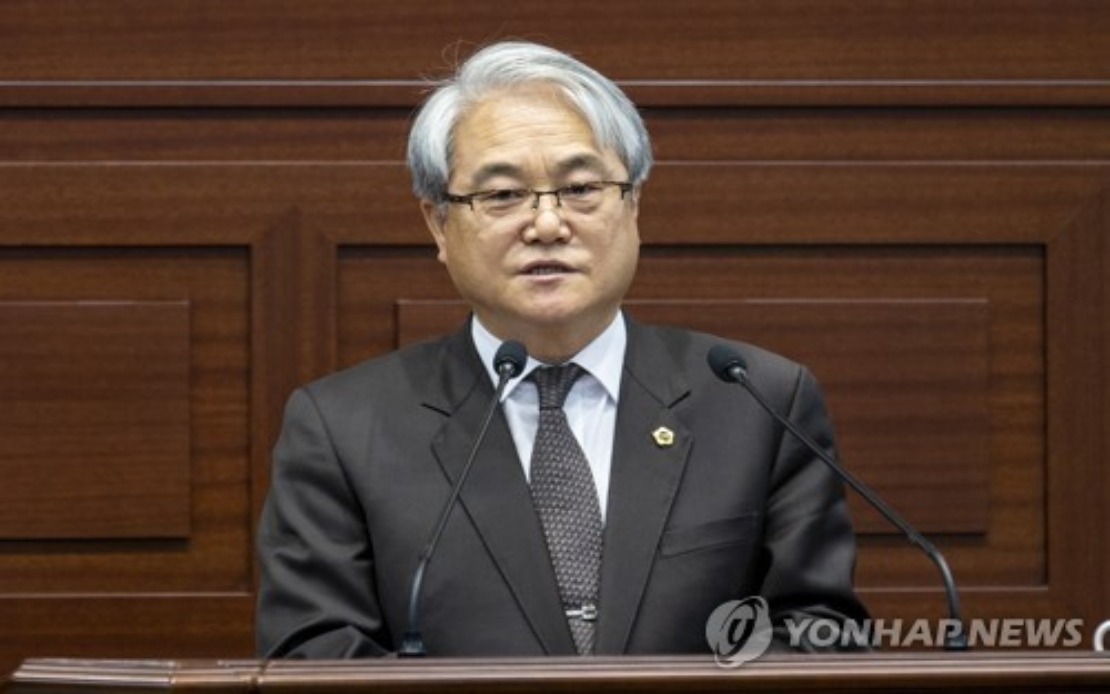
Kim Ha-soo, who previously served as chief of Cheongdo County in South Korea's southeastern region, was found dead on a mountain on Monday morning, according to Yonhap News Agency and police statements. Rescue workers recovered the body at approximately 7 a.m. and discovered what appeared to be a handwritten note at the scene, though authorities declined to release specifics about the contents or circumstances surrounding the discovery.
The timing of Kim's death comes amid an escalating investigation into his conduct while serving as county chief from 2022 until his departure earlier this year. Prosecutors had been examining allegations that he received improper financial benefits from a government employee in return for facilitating a career advancement during his tenure. This type of quid pro quo arrangement between public officials and beneficiaries represents a serious breach of South Korea's strict anti-corruption standards and occupational ethics regulations.
Adding complexity to the case, the individual suspected of serving as an intermediary in the alleged bribery transaction was also discovered dead previously, as confirmed by law enforcement. The deaths of both the suspect and the official under investigation raise questions about the scope and depth of the suspected corruption network operating within local government structures in the region.
Beyond the bribery allegations, Kim faced additional legal jeopardy stemming from a separate incident in January. Prosecutors had formally referred charges against him concerning an alleged home invasion of a nursing home director, suggesting a pattern of troubling behavior extending beyond financial misconduct. The alleged break-in introduced concerns about potential abuse of authority and possible attempts at intimidation or coercion involving individuals connected to his official responsibilities.
The incident highlights persistent challenges within South Korea's local governance system, where accountability mechanisms have struggled to contain corruption despite repeated reform efforts and legislative tightening. Cheongdo County, like numerous municipal administrations across the country, has faced periodic scandals involving officials misusing their positions for personal gain, creating a cycle of investigation, prosecution, and public scrutiny that strains trust in local institutions.
For Malaysian observers, the case underscores the importance of robust internal audit systems and whistleblower protection frameworks within government bureaucracies. South Korea's experience demonstrates that even developed democracies with established legal systems experience significant corruption at local administrative levels, where oversight can be more diffuse and accountability mechanisms less visible than at national levels. This parallel is particularly relevant for Southeast Asian nations working to strengthen governance standards and reduce opportunities for official misconduct.
The convergence of bribery investigations and criminal allegations in a single official's portfolio suggests that corruption frequently does not exist in isolation but rather as part of broader patterns of institutional dysfunction. Kim's case exemplifies how officials who exploit their positions for financial advantage may simultaneously engage in other abusive behaviors, creating compounding challenges for investigators and prosecutors attempting to establish comprehensive accountability.
South Korean authorities will now face the difficult task of continuing their investigation into the bribery allegations without access to direct testimony from the primary subjects. The deaths of both the alleged bribe intermediary and the official being investigated may significantly impede efforts to fully document the scope of improper transactions and identify other parties who may have been involved in or benefited from the corruption scheme.
The incident also raises broader questions about the psychological pressures facing public officials under investigation in South Korea, where social stigma and institutional shame associated with corruption allegations can be substantial. Understanding the circumstances leading to Kim's death may provide insights into the intensity of legal and social consequences that officials confront when facing serious misconduct allegations, though authorities have not yet disclosed details that would clarify the precise nature of the circumstances.
Moving forward, this case will likely prompt renewed calls within South Korea for strengthening preventive mechanisms at the local government level, including enhanced financial disclosure requirements, more frequent external audits, and stronger protections for officials willing to report corrupt practices by their colleagues. The apparent failure to prevent or intercede in the conduct that led to investigation suggests that existing safeguards may be insufficient to deter determined officials from pursuing illicit arrangements.

