Datuk Zaiton Othman, the former Sports Commissioner and decorated national athlete, has issued a stark warning to Malaysia Athletics to urgently rectify its governance structures and align itself with the constitution and operational standards established by World Athletics. The veteran administrator expressed concern that non-compliance could trigger severe sanctions including suspension or deregistration—outcomes that would have cascading consequences for Malaysian sport at regional and international level.
The governance crisis threatens Malaysia's capacity to host athletics competitions during the 2027 SEA Games, a flagship regional event that Malaysia is positioned to organise. More immediately, it would prohibit Malaysian track and field athletes from competing in World Athletics-sanctioned international competitions. These are not abstract regulatory concerns but practical implications that would severely constrain the nation's sporting aspirations and the career development of its elite competitors.
Zaiton, widely remembered for her formidable career as a heptathlon competitor and nicknamed the 'Iron Woman', articulated the strategic importance of athletics within the SEA Games portfolio. The discipline represents one of the premier medal-generating sports at the Games, second only to swimming and shooting in terms of medal distribution. Track and field offered 47 gold medals at the most recent SEA Games, with flagship events including the 100-metre sprint and the 4×100-metre relay attracting intense regional competition and global attention.
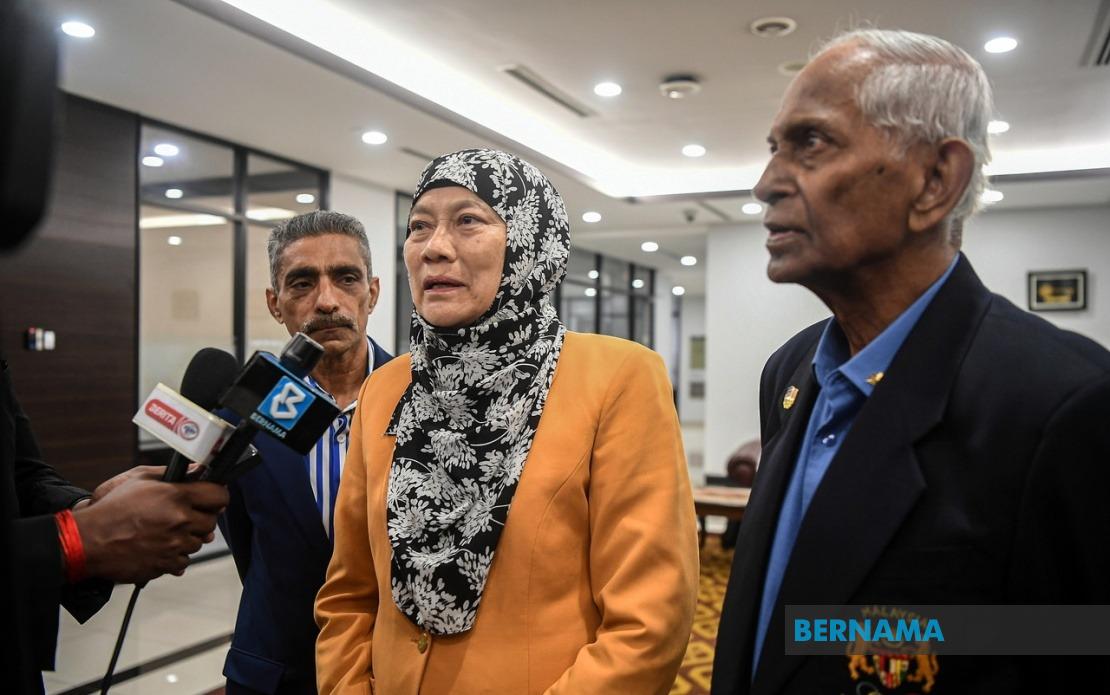
The appeal to strengthen governance emerged from a meeting between Zaiton and Youth and Sports Minister Dr Mohammed Taufiq Johari at the Parliament building. The discussion brought together a coalition of sporting figures including Olympian Datuk Karu Selvaratnam and Datuk Noorul Ariffin Abdul Majeed, former chairman of the National Athletes Welfare Foundation. This assembly of respected voices reflected broader concern within Malaysia's athletics community that administrative dysfunction could undermine athletic performance and compromise national competitive standing.
Zaiton represented the Reformation in Sports and Excellence (RISE) delegation in these discussions, signalling that the governance concerns extend beyond institutional corridors into civil society and athlete advocacy networks. The coalition's perspective centred on protecting national athletes from being disadvantaged by structural and compliance failures at the governing body level. Athletes, they contended, should not suffer career consequences due to administrative mismanagement at their sport's administrative apex.
Malaysia's regulatory framework provides mechanisms for ministerial oversight despite the arm's-length principle that typically governs sports administration. The Sports Development Act 1997 grants the ministry and the Sports Commissioner explicit authority to monitor compliance and enforce corrective action when sports associations deviate from established regulatory standards. This legal foundation offers a pathway for intervention without direct governmental control of sporting associations—a nuanced balance that respects autonomy while maintaining accountability.
The constitutional crisis within Malaysia Athletics crystallised around amendments that allegedly contradicted World Athletics' founding documents. These conflicts prompted MA president Karim Ibrahim to step back from day-to-day leadership pending an Annual General Meeting scheduled to address the constitutional misalignment. This temporary withdrawal acknowledged the severity of the compliance gap and signalled intention to remediate the situation through formal amendment processes.
Karim's own history with international athletics governance adds complexity to the situation. He was suspended in 2018 by World Athletics, a sanction subsequently upheld by the Court of Arbitration for Sport. Despite this suspension from international athletic governance, he retained eligibility to serve on the Asian Athletics Federation Executive Council through the 2019-2023 term. This layered regulatory status illustrates how international sports law creates multiple levels of sanction and restriction, with implications extending across continental and global competition structures.
For Malaysian readers and policymakers, the situation underscores the interconnectedness of domestic sports governance with international regulatory systems. A single nation's federation cannot simply operate according to its own preferences when it participates in globally networked competitions and events. The World Athletics constitution functions as an international standard that all affiliated national bodies must observe—failure to comply carries sanctions that transcend individual federations and affect entire nations' athletic participation rights.
The timing of these governance concerns matters given Malaysia's role as the 2027 SEA Games host. Preparation for hosting major Games requires robust, compliant sporting infrastructure across all disciplines. An athletics governing body operating outside internationally accepted standards creates reputational risk and logistical uncertainty. International sporting bodies scrutinise host nations' domestic governance frameworks; irregularities could trigger complications during the Games itself, from accreditation issues to competition sanctioning.
Zaiton's intervention reflects a broader pattern whereby former athletes and administrators increasingly mobilise to shape sports governance reform. Rather than deferring entirely to incumbent officials, retired Olympians and experienced administrators lend credibility and moral authority to calls for institutional reform. This represents a form of sports governance accountability that operates through civic engagement and elder statesperson influence rather than formal regulatory channels.
The path forward requires Malaysia Athletics to complete constitutional amendments that align its governing documents with World Athletics standards. The AGM represents the critical juncture where MA members must formally endorse these revisions. Failure to achieve substantive compliance would leave Malaysia exposed to the precise sanctions Zaiton outlined—an outcome that would damage national sporting interests and disappoint athletes whose international careers depend on unimpeded competition access.