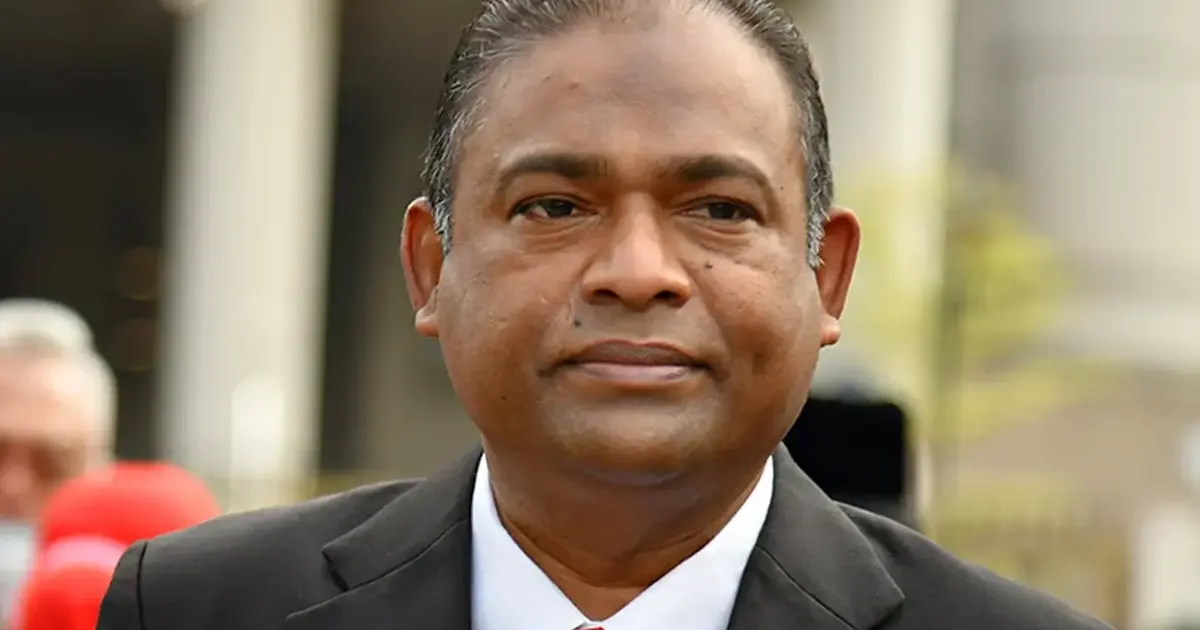
Persistent speculation on social media that former Baling MP and ex-Tabung Haji chairman Abdul Azeez Abdul Rahim had been apprehended by the Malaysian Anti-Corruption Commission prompted his son to issue a public statement denying the claims late today. The family's intervention came after unverified reports began circulating across various online platforms throughout the previous evening, generating considerable discussion among Malaysian observers tracking governance and financial accountability matters.
Abdul Azeez Abdul Rahim's tenure at the Islamic pilgrimage savings fund represented a significant chapter in Malaysia's institutional leadership. Tabung Haji, formally known as Lembaga Tabung Haji, manages one of the world's largest Islamic savings schemes, overseeing contributions from Malaysian Muslims preparing for the hajj pilgrimage. The organisation's leadership carries substantial public responsibility given its stewardship of funds belonging to millions of ordinary Malaysians. Any development involving senior figures from the institution naturally attracts heightened scrutiny from the public and media observers.
The timing of such rumours reflects broader public concern about financial governance in Malaysia. Recent years have witnessed intensive scrutiny of major institutions and their management, with investigations into various agencies attracting significant headlines. Citizens have become increasingly attentive to announcements regarding figures in positions of public trust, particularly those overseeing substantial financial assets. This context explains why unconfirmed reports regarding Abdul Azeez Abdul Rahim gained rapid traction despite lacking official confirmation from enforcement authorities.
Social media's role in amplifying such narratives underscores a persistent challenge in the contemporary information landscape. Unverified claims can spread extensively within hours, reaching hundreds of thousands of users before fact-checking mechanisms intervene. Malaysian internet users, like those throughout the region, often encounter difficulty distinguishing authoritative sources from speculative posts, particularly when allegations involve public figures. The phenomenon demonstrates how digital platforms can generate significant public anxiety based on hearsay rather than confirmed reporting.
The son's denial represents the family's effort to counter misinformation directly before it becomes entrenched in public consciousness. By issuing a clarification, the family attempted to prevent the rumour from influencing broader perceptions of Abdul Azeez Abdul Rahim's current status and standing. Such preemptive statements have become increasingly common among Malaysian public figures and their relatives seeking to manage their reputational interests in an age of rapid digital communication.
Abdul Azeez Abdul Rahim's connection to Baling, a constituency in Kedah, reflects his long engagement with Malaysian politics. His parliamentary representation and subsequent institutional roles positioned him as a figure of note within the country's political establishment. The transition from electoral politics to governance positions at major financial institutions is a common pathway for experienced politicians, though it also subjects individuals to heightened public expectations regarding integrity and performance.
Tabung Haji's institutional standing makes any allegations involving its leadership particularly resonant. As a government-linked entity managing sacred trust in the Islamic context, the organisation operates under intense scrutiny from multiple constituencies including religious authorities, the government, parliamentary oversight bodies, and the millions of contributors who depend on its stewardship. Any whisper of impropriety concerning senior management consequently generates immediate concern and rapid information-seeking behaviour among stakeholders.
The Malaysian Anti-Corruption Commission, formally known as the Suruhanjaya Pencegahan Rasuah Malaysia, operates as the primary federal agency investigating corruption allegations. Any statement from the MACC regarding formal action against individuals typically receives official confirmation through established media channels and press releases. The absence of such official announcements in this instance, coupled with the family's categorical denial, suggests the social media claims lacked substantiation in verified institutional action.
For Malaysian observers following governance issues and corruption accountability, distinguishing credible reporting from rumour remains an ongoing challenge. While Malaysia's media landscape includes respected outlets maintaining editorial standards, the proliferation of unmoderated social media content has created space for unsubstantiated claims to circulate widely. This dynamic particularly affects narratives involving established political and business figures, whose profiles make them susceptible to both legitimate scrutiny and baseless speculation.
The incident highlights broader questions about how Malaysian society processes information regarding public figures and institutional accountability. Citizens appropriately expect transparency from enforcement agencies investigating potential wrongdoing, yet must navigate an information environment where credible news competes with rumour for attention. The family's intervention in this case reflects recognition that controlling narrative in such circumstances requires rapid, direct communication rather than relying on delayed official clarification.
Moving forward, the episode underscores the importance of media literacy and source verification among Malaysian internet users. As technology continues reshaping how information circulates, distinguishing between substantiated reporting and speculation becomes increasingly consequential for informed public discourse. Official channels, including MACC statements and verified news outlets, remain the appropriate sources for confirming developments affecting prominent public figures and institutions.

