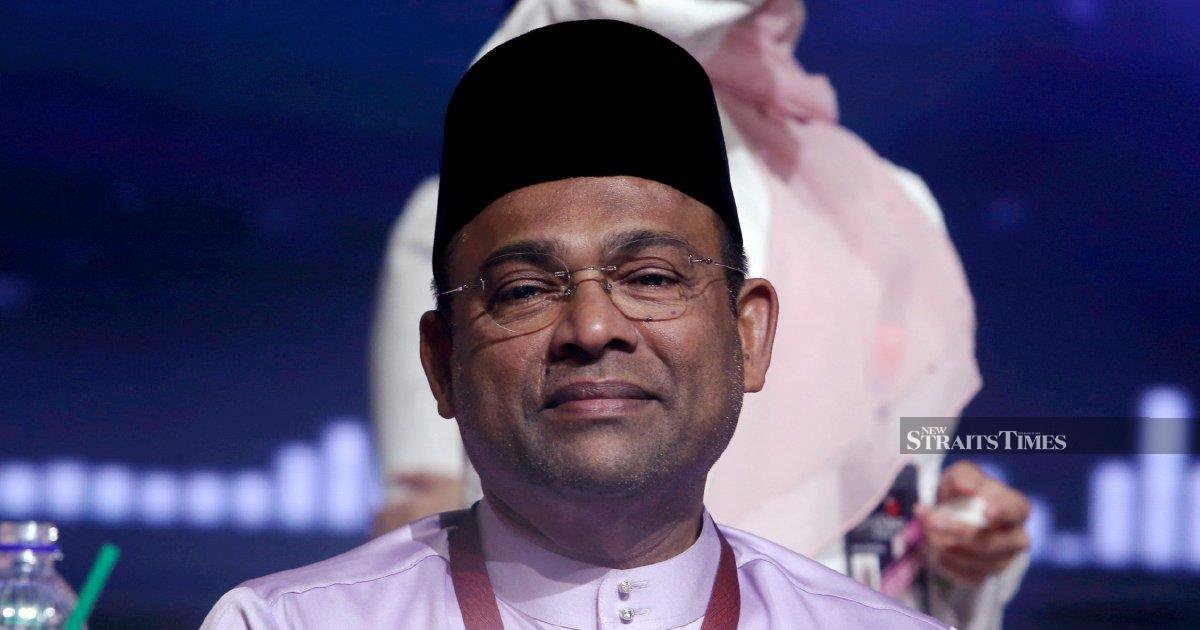
Datuk Seri Abdul Azeez Abdul Rahim, who previously led Tabung Haji, has dismissed mounting pressure from Bersatu to publicly confirm contact with the Malaysian Anti-Corruption Commission in connection with the Royal Commission of Inquiry findings on the pilgrim fund. The former chairman's response comes as political scrutiny continues surrounding investigations into governance and financial management at the Islamic pilgrimage savings institution.
The RCI probe, which examined Tabung Haji's operations and decisions that contributed to significant financial losses, has become a focal point for political accountability discussions. Azeez's position that the inquiry report does not reference his name represents a notable deflection from questions about potential regulatory action against former leadership figures who oversaw the organisation during its financial deterioration.
Tabung Haji has faced mounting criticism over billions in ringgit in losses, prompting the government to establish the commission to investigate governance failures, investment decisions, and administrative lapses. The inquiry's findings have implications for multiple stakeholders, including former executives, board members, and government officials responsible for oversight. The pilgrim fund manages savings from hundreds of thousands of Malaysian Muslims preparing for the Hajj pilgrimage, making governance integrity paramount.
Bersatu's pressure on Azeez reflects broader political divisions over accountability mechanisms and whether previous leadership should face consequences for institutional failures. The party's call for clarity suggests scepticism about whether the MACC inquiry will extend to prominent figures or remain limited in scope. Azeez's response indicates a strategic approach of narrowing personal liability by focusing on literal mentions rather than substantive involvement in matters under investigation.
The MACC's investigation protocols typically examine decision-making patterns, financial transactions, and governance breaches over extended periods. Former leaders may face scrutiny regardless of whether their names appear prominently in final reports, as investigators often trace accountability through institutional decisions and approval chains. The technicality Azeez emphasises may not shield him from formal questioning if the commission determines his tenure involved relevant actions or inactions.
Malaysian readers familiar with previous corporate governance scandals will recognise this pattern of deflection through semantic arguments. Institutional inquiries frequently implicate senior management indirectly, through examination of policies implemented on their watch and financial outcomes resulting from their strategic choices. The distinction between direct mention and substantive involvement rarely provides meaningful protection once formal investigations commence.
The Tabung Haji situation represents a critical test of Malaysia's anti-corruption resolve. The pilgrim fund's substantial losses occurred amid oversight responsibilities shared between management, the board, and government ministries. Determining where accountability lies requires examining decision-making authority, risk management frameworks, and whether prudent governance standards were maintained. Previous reforms to Tabung Haji's structure attempted to address identified weaknesses, suggesting acknowledged institutional failures.
The political dimension complicates straightforward accountability measures. Different political factions may prioritise different targets for investigation, potentially influencing which former officials face serious scrutiny. This dynamic affects public confidence in the inquiry's comprehensiveness and impartiality. Azeez's defensive posture may reflect awareness that political circumstances could determine his ultimate exposure regardless of current MACC activity levels.
For Malaysian and regional investors, this controversy underscores governance risks at significant financial institutions managing public savings. Tabung Haji's experience demonstrates how institutional mismanagement can persist despite regulatory frameworks supposedly designed to prevent it. The inquiry's outcome will signal whether Malaysia's anti-corruption mechanisms can effectively examine senior figures or whether political considerations constrain investigation scope.
The broader implications extend beyond individual accountability to systemic reform. Whether Tabung Haji implements structural changes addressing identified vulnerabilities, separates management from political interference, and enhances financial transparency will determine whether the crisis produces genuine improvement. Azeez's evasive response suggests resistance to wider institutional reckoning, though this stance carries political risks if voters demand substantive explanations for substantial financial losses.
Moving forward, MACC clarification regarding its investigation status would assist public understanding of likely outcomes. If the commission has contacted Azeez or other former leaders, transparency about investigation scope would counter speculation and demonstrate procedural legitimacy. Conversely, if no contact has occurred despite potentially relevant involvement, that absence itself warrants explanation to stakeholders concerned about institutional accountability standards.
The Tabung Haji inquiry represents a pivotal moment for demonstrating whether Malaysia's anti-corruption institutions operate independently and comprehensively or whether powerful figures can diminish liability through tactical denials. Azeez's approach of narrowing the question to literal name mentions reflects awareness that broader substantive examination could prove considerably more problematic for his interests. This dynamic will likely persist throughout the investigation's completion and any subsequent regulatory actions.

