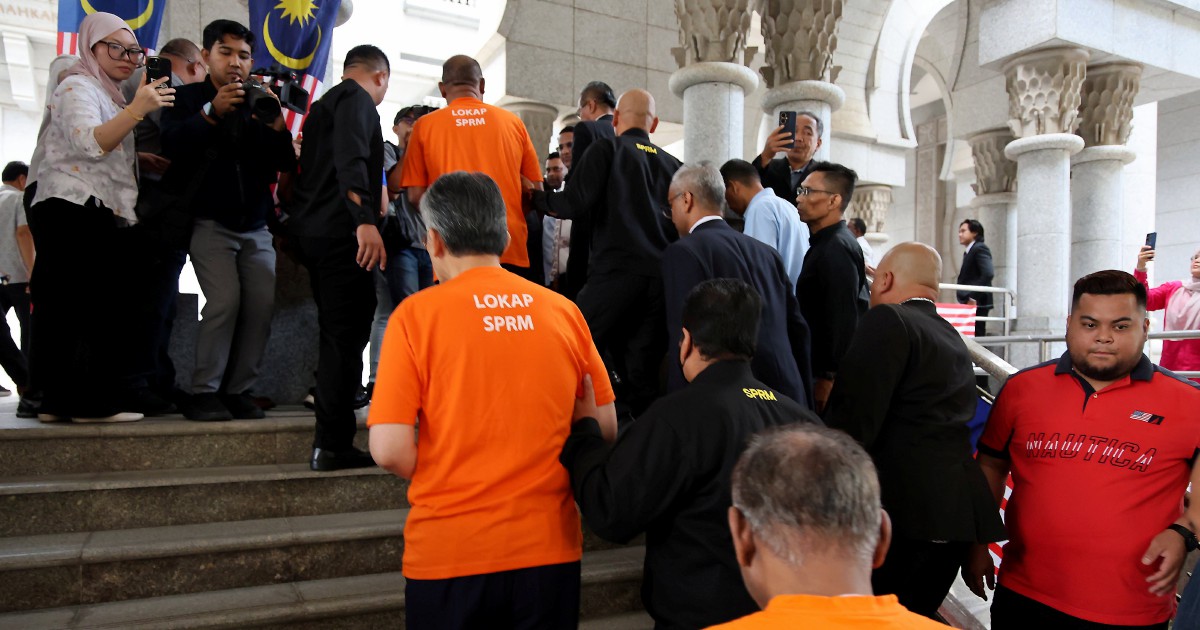
The Malaysian Anti-Corruption Commission successfully obtained a four-day remand extension against a former chief executive officer of Tabung Haji in Putrajaya today, signalling the depth of its inquiry into the pilgrim fund's management and operations. The extension indicates investigators are still gathering evidence and conducting interviews as part of a broader examination into the fund's administrative and financial practices.
Tabung Haji, the government-backed savings scheme that helps Malaysian Muslims finance their pilgrimage to Mecca, has been under increasing scrutiny over recent years regarding how it manages billions of ringgit in contributors' savings. The fund serves as a crucial financial mechanism for the Muslim community, with participants regularly depositing money over extended periods to accumulate enough capital for the religious journey. Any irregularities in its management carry significant implications for the millions of Malaysian contributors who depend on the fund's integrity.
The commission's decision to seek extended custody reflects the complexity of the investigation and the volume of documentation that investigators must review. Financial institutions of this scale typically maintain intricate record-keeping systems spanning multiple years, and reconstructing decision-making processes requires methodical examination of correspondence, meeting minutes, and transaction trails. Extended remand periods are granted by courts when authorities can demonstrate reasonable grounds that suspects may destroy evidence, influence witnesses, or abscond.
The former CEO's detention aligns with growing public and regulatory concern about governance standards in government-linked financial institutions. Malaysia's institutional framework has increasingly emphasized accountability following high-profile cases involving mismanagement of public funds. The anti-corruption agency's aggressive pursuit of this inquiry sends a signal about institutional commitment to investigating suspected breaches at the highest levels of government-connected organizations, regardless of the seniority or previous standing of those involved.
Tabung Haji's operations extend beyond simple savings management. The fund invests contributor monies in various asset classes, including equities and real estate, to generate returns that supplement annual pilgrimage allocations. These investment decisions, governance structures, and oversight mechanisms fall squarely within the anti-corruption commission's investigative scope. Questions about investment performance, transaction authorizations, and compliance with fiduciary duties represent core areas of focus for authorities examining institutional governance.
For Malaysian pilgrims and contributors, the ongoing investigation carries practical and psychological weight. Many individuals have accumulated substantial balances within their Tabung Haji accounts over decades, viewing the fund as a secure repository for their most significant life savings. Public confidence in institutional mechanisms depends critically on perceptions of honesty and competent stewardship. Extended remand proceedings, while necessary for thorough investigation, inevitably generate questions among contributors about the soundness of their investments and the fund's overall financial health.
The anti-corruption commission's remand extension strategy typically involves presenting evidence of financial irregularities, suspicious transactions, or documentary inconsistencies to judicial officers who assess whether continued detention remains justified. Investigators must articulate specific investigative steps requiring the suspect's presence and cooperation, demonstrating that further questioning or collaboration could advance their inquiry. Courts balance the legitimate interests of law enforcement against constitutional protections against arbitrary detention.
This case emerges within a broader Southeast Asian context where scrutiny of government-linked institutions has intensified. Neighbouring countries including Singapore and Indonesia have pursued high-profile cases involving financial mismanagement at state-owned enterprises and sovereign wealth funds. Regional peer pressure and international governance standards increasingly influence how Malaysia's institutions respond to allegations of financial impropriety. Regulatory agencies face expectations to demonstrate that no organization or individual operates beyond accountability mechanisms.
The investigation's outcome could influence future governance standards across Malaysia's network of government-linked companies and statutory bodies. Institutional boards, compliance departments, and senior management across the public sector will likely reassess their decision-making documentation and authorization procedures in light of this case. The precedent established through this inquiry may prompt tightened protocols for investment decisions, expenditure approvals, and financial reporting at similar organizations.
Stakeholders in Malaysia's Islamic finance sector are monitoring developments closely, as Tabung Haji operates within the broader Islamic banking and finance ecosystem. The fund's reputation and operational stability directly influence confidence in Islamic financial products and religious financing mechanisms among Malaysian Muslims. Any findings suggesting systemic governance failures could reverberate through perceptions of Islamic financial institutions more broadly, even though the fund operates under distinct regulatory frameworks compared to licensed Islamic banks.
The path forward involves continued investigation, potential additional remand applications, and eventual charging decisions should evidence warrant prosecution. The anti-corruption commission faces pressure to conclude its inquiry expeditiously while maintaining investigative rigor. Premature conclusions could invite criticism of insufficiently thorough examination, while protracted investigations generate public impatience and financial market uncertainty about the fund's status and prospects.

