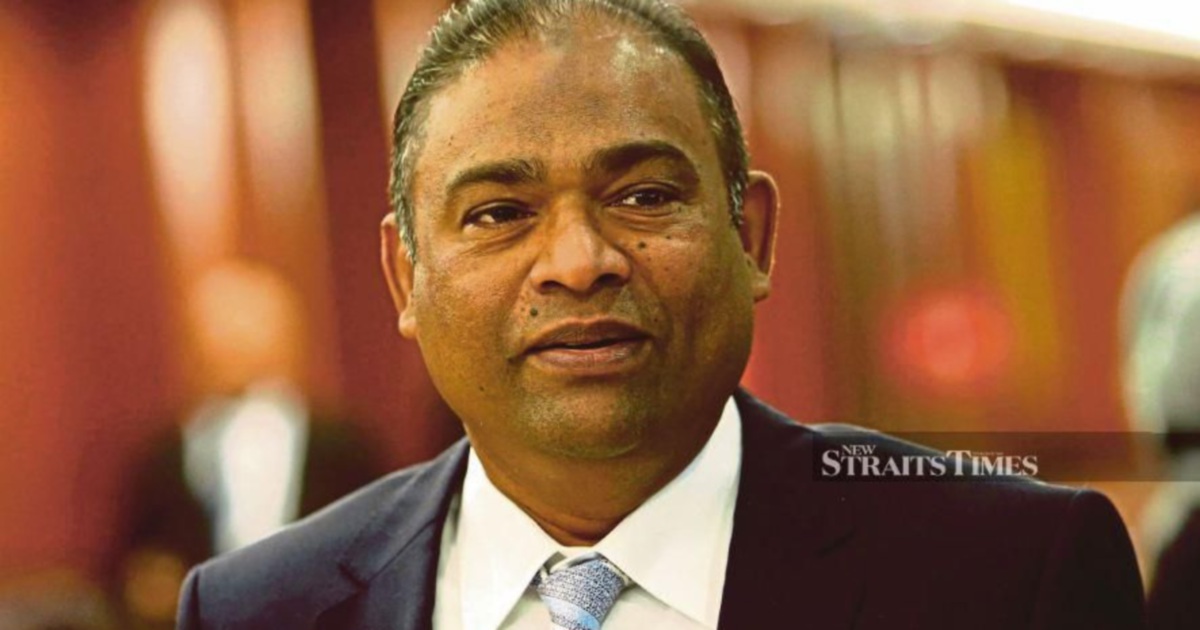
The son of former Tabung Haji chairman Datuk Seri Abdul Azeez Abdul Rahim has moved to dispel widespread speculation by clarifying that his father was not taken into custody by the Malaysian Anti-Corruption Commission, contrary to reports circulating in recent days. Mohamed Khairul Azman made this statement to address public confusion following unsubstantiated claims about his father's status.
The clarification comes at a sensitive time for Tabung Haji, which manages pilgrimage funds for Malaysian Muslims and has faced scrutiny over its governance and financial management in recent years. The institution remains a cornerstone of Malaysia's Islamic financial architecture, with millions of Malaysian families depending on it to facilitate their Hajj journeys and manage their savings. Any suggestion of wrongdoing involving senior leadership naturally attracts considerable public and media attention.
Datuk Seri Abdul Azeez Abdul Rahim served as chairman of Tabung Haji during a period when the organisation underwent significant operational changes. His tenure coincided with broader discussions within the Malaysian financial sector about transparency, accountability, and best practices in managing large pools of public funds entrusted to such institutions. The MACC's role in investigating potential misconduct at major Malaysian entities, including government-linked organisations, remains central to the country's anti-corruption framework.
The need for such clarification highlights the rapid spread of unverified information in today's media environment. In Malaysia's densely interconnected social media landscape, rumours concerning public figures and institutions can circulate widely within hours, often outpacing official channels of communication. This phenomenon has made it increasingly important for families and representatives of public figures to respond quickly when inaccurate claims emerge, to prevent misinformation from taking root in public consciousness.
Tabung Haji has previously faced various investigations and reviews into its operations. The institution manages approximately RM80 billion in assets and serves nearly 9 million depositors who entrust their savings to it. Given the scale of operations and the sensitive nature of pilgrimage funds within Muslim communities, regulatory oversight and periodic examinations of governance practices are routine. Such scrutiny is not unusual for large financial institutions, particularly those with quasi-governmental status and significant fiduciary responsibilities.
The MACC maintains broad investigative authority across Malaysia's public and private sectors, examining allegations of corruption, money laundering, and related financial crimes. When investigations occur, they typically proceed through established legal channels and protocols. Public statements from the commission or involved parties help ensure that accurate information reaches citizens rather than allowing speculation to dominate the discourse.
Mohamed Khairul Azman's intervention serves to stabilise a situation where misinformation could otherwise damage his father's reputation and cause unnecessary alarm within the broader community of Tabung Haji stakeholders. For depositors concerned about the security of their funds, clarity regarding the operational status and integrity of institutional leadership provides important reassurance. The distinction between investigation and arrest is particularly significant, as institutions can be subject to various inquiries without findings of wrongdoing.
The broader context involves Malaysia's ongoing efforts to strengthen its anti-corruption infrastructure and public accountability mechanisms. Tabung Haji, as a prominent institution managing religious and financial resources, necessarily operates within this framework. Periodic external reviews, audits, and investigations serve legitimate oversight functions and contribute to public confidence in such organisations. At the same time, ensuring that investigations remain fair, transparent, and based on substantive evidence remains crucial to maintaining public trust in both the institution and the regulatory bodies overseeing it.
Looking forward, the clarification underscores the importance of institutional communication strategies in the digital age. When public figures and their families maintain open lines of dialogue with media representatives, they can help shape factual narratives and prevent misunderstandings from escalating unnecessarily. For Malaysian readers concerned about the management of their pilgrimage savings, such clarity helps distinguish between routine oversight activities and more serious allegations that would merit sustained public concern and scrutiny.

