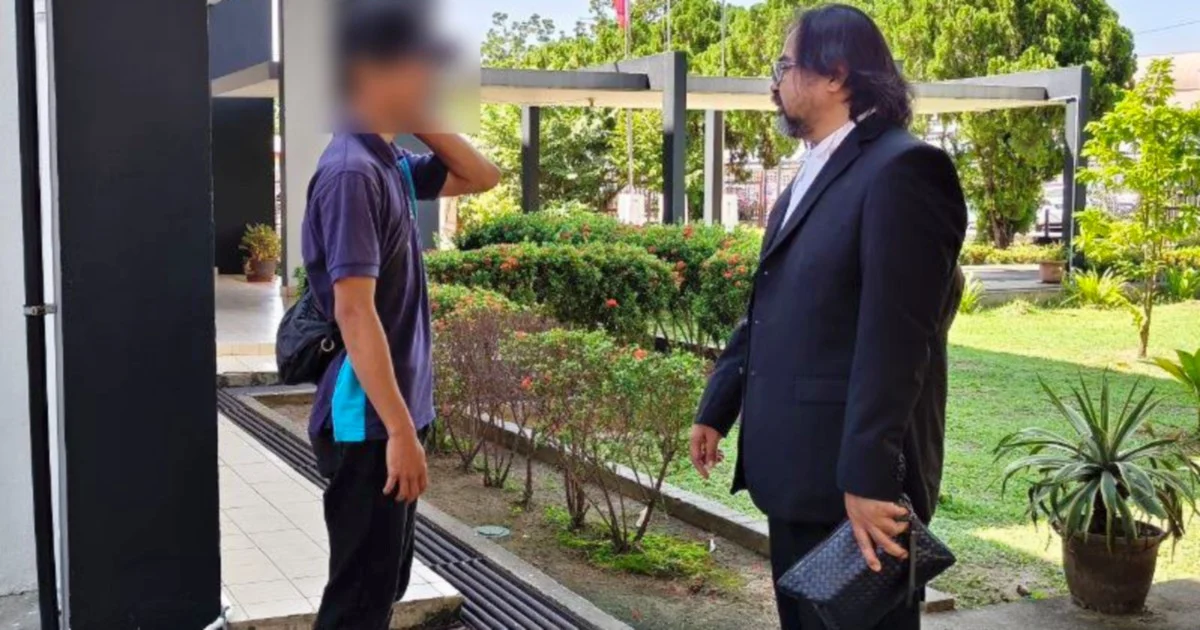
A young man who was accused of gang-raping a 15-year-old schoolmate has been found not guilty and discharged by the Tawau Magistrate's Court, concluding a legal proceeding that lasted approximately two years from the time of the alleged incident.
The case, which involved serious sexual abuse allegations against a secondary school-aged defendant, reflects the complex nature of juvenile crime prosecution in Malaysia. Gang rape cases involving minors present particular challenges for the criminal justice system, requiring careful examination of evidence while protecting the identities and privacy of young victims who appear in court proceedings. The court's discharge decision suggests that the prosecution's case did not meet the required standard of proof, though further details regarding the specific grounds for acquittal were not disclosed.
Tawau, located in the southeastern region of Sabah, has seen its share of criminal cases involving young offenders. The jurisdiction handles matters affecting minors with particular sensitivity given the age of both the accused and the alleged victim. Two-year delays between alleged offences and final court judgment are not uncommon in Malaysian courts dealing with serious felonies, though they can place significant strain on all parties involved, including the victim and their family who must endure an extended legal process.
The gang rape allegation represents a particularly grave charge under Malaysian law, carrying substantial prison sentences and other penalties upon conviction. Such cases are treated with considerable seriousness by law enforcement and judicial authorities, as they involve violence and the violation of a minor. The investigation phase of these cases often requires specialised protocols for interviewing young victims and gathering evidence in a manner sensitive to their trauma while maintaining the integrity of the investigation.
The protection of youth accused of serious crimes while maintaining public safety remains a delicate balance within Malaysia's legal framework. Young offenders who face criminal charges, particularly involving sexual violence, are subject to processes designed to consider their age and circumstances while not diminishing the gravity of the allegations. Courts must weigh evidence carefully in such sensitive matters, applying the standard of reasonable doubt to ensure that convictions rest on solid evidentiary foundations.
The victim's experience throughout this two-year process would have been substantial, having to navigate the emotional and psychological impacts of the alleged assault while participating in legal proceedings that can be retraumatising. Support systems for young crime victims in Malaysia continue to evolve, with victim advocacy organisations working to ensure that young survivors receive appropriate counselling and assistance throughout the judicial process. The lengthy timeline between incident and resolution adds further complexity to a victim's recovery journey.
From a broader perspective, sexual violence involving teenagers and young adults represents a concerning issue across Southeast Asia. Prevalence studies suggest that many cases go unreported due to social stigma and fear of victim-blaming. When cases do proceed through formal channels, conviction rates remain relatively low in many jurisdictions, a pattern visible across the region. This gap between reported cases and successful prosecutions reflects evidentiary challenges, witness reluctance, and the difficulty of establishing guilt beyond reasonable doubt in sexual assault matters where physical evidence may be limited or compromised.
The Magistrate's Court's jurisdiction in Tawau covers a broad spectrum of criminal matters, from traffic offences to serious felonies. The decision to discharge the accused represents the court's assessment that the case did not present sufficient evidence for conviction. In Malaysian courts, discharge decisions follow preliminary enquiries or trials where the court determines that the prosecution has not successfully proven its case beyond reasonable doubt. This is a recognised outcome that protects the accused from wrongful conviction while acknowledging that the case did not meet the requisite legal threshold.
The case also highlights the importance of proper investigation and evidence collection in sexual assault cases involving minors. Law enforcement agencies in Sabah have developed specialised units to handle crimes against children, recognising that these investigations require particular expertise and sensitivity. The quality of initial investigations and evidence gathering significantly impacts the viability of prosecution, particularly in cases where corroborating physical evidence may be unavailable or contested.
Moving forward, the discharge does not necessarily reflect on the veracity of the allegations, but rather on what could be legally proven in court according to the standards of evidence required in Malaysian criminal procedure. The conclusion of this case closes a chapter for all involved, though it underscores ongoing conversations about supporting victims of sexual violence, improving investigative techniques, and ensuring that the judicial system can effectively respond to crimes against children while maintaining fair processes for the accused.

