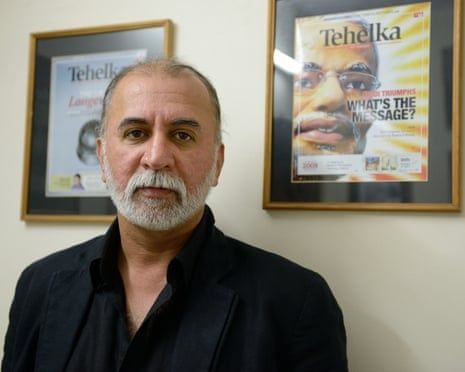
An Indian appeals court has secured a conviction against Tarun Tejpal, the 63-year-old founder and former editor of Tehelka magazine, in a rape case that has captivated public attention for over a decade. The Bombay High Court's decision on Thursday (Aug 6) reversed an earlier acquittal handed down by a trial court in Goa three years prior, marking a significant turning point in a legal battle that has tested India's judicial system and its approach to sexual assault allegations within the media industry.
The allegations against Tejpal centre on an incident that allegedly occurred during November 2013 at a five-star hotel in Goa, where the accused journalist was attending a professional event. According to court documents and investigative records, Tejpal is accused of sexually assaulting a junior colleague within the hotel lift, an allegation he has consistently denied throughout the proceedings. The circumstances surrounding the complaint and the initial investigation generated considerable media coverage across India, thrusting the case into the national spotlight and drawing comparisons to other high-profile sexual misconduct cases in the country.
The original trial court acquitted Tejpal in 2021 of all charges, including rape, sexual harassment, and wrongful restraint, a verdict that shocked many observers who had followed the case closely. However, the Goa government opted to challenge this acquittal before the Bombay High Court, arguing that the lower court had failed to properly weigh the evidence and testimony presented during the trial. This appellate challenge proved successful, with the higher court finding merit in the government's arguments and determining that grounds existed for conviction on the principal charge.
Tejpal's legal ordeal began immediately after his arrest in late 2013, when he spent seven months in custody before India's Supreme Court granted him bail, a decision that raised questions about access to justice and the treatment of individuals accused of serious crimes. The extended bail period allowed him to continue his personal and professional activities while the case progressed through the lower courts, a privilege not universally available to all accused persons in the Indian justice system. His eventual release on bail set a precedent in high-profile sexual assault cases and demonstrated the complexities of securing pre-trial detention in such matters.
Sunita Sawant, the lead Goa Police investigator who oversaw the probe from its inception, confirmed the conviction to journalists outside the courthouse, emphasizing the significance of the verdict for women's rights advocates. In her statement to the press, Sawant highlighted that the conviction represented a moment when a woman had taken a stand to assert her legal and personal rights against a powerful figure in the media industry. She further noted that the judgment carried broader implications for women employed across all professional sectors in India, suggesting that the verdict might embolden other victims of workplace sexual violence to pursue legal remedies.
The case unfolded against a backdrop of heightened national conversation regarding India's treatment of sexual assault victims and the adequacy of existing legal frameworks. In the year preceding Tejpal's arrest, the gang rape and murder of a 23-year-old medical student aboard a Delhi bus in December 2012 had triggered unprecedented public outrage and international condemnation of India's record on women's safety. This tragic incident catalyzed legislative reforms, leading the government to strengthen statutory rape laws and expand the definition of sexual offences, reforms that would have applied to cases filed after these amendments took effect.
The Tejpal case acquired particular significance because of the ironies embedded within the circumstances. Tehelka magazine, under his leadership, had established itself as a champion of investigative journalism, social justice causes, and women's rights advocacy. The magazine had published numerous exposés on corruption, human rights abuses, and gender-based violence, positioning itself at the forefront of progressive media commentary in India. When allegations emerged that the magazine's own editor had committed the very crime that the publication frequently condemned in its reporting, the contradiction struck at the heart of the institution's credibility and moral authority.
The reputational damage inflicted on Tehelka proved substantial and lasting. Although the magazine has continued to operate under new editorial leadership in the years following 2013, it has struggled to reclaim the prominence and influence it once commanded in Indian journalism and public discourse. Advertisers, subscribers, and readers who had valued the magazine for its courageous investigative work found themselves questioning the values that had guided editorial decision-making at the organization. The institutional damage serves as a cautionary tale about the potential consequences when leadership credibility becomes compromised by personal misconduct allegations.
Tejpal is scheduled to receive his sentence later on Thursday, though the specific punishment remains to be determined by the presiding judge. The range of potential sentences available to the court depends on the specific provisions of Indian criminal law as they apply to the conviction, and judicial discretion will play a role in determining the severity of any punishment imposed. Given that Tejpal has maintained his innocence throughout the legal process and has previously been granted bail pending appeal, observers anticipate that he will exercise his right to challenge the High Court's decision through the appellate mechanism available in India's legal system.
The conviction carries implications that extend beyond the individual case, raising questions about institutional accountability, media ethics, and the treatment of sexual assault allegations within hierarchical professional environments. The case demonstrates that even prominent and influential individuals may ultimately face legal consequences for alleged sexual misconduct, though the extended timeline—a decade from alleged incident to conviction—highlights the challenges victims and investigators face in securing timely justice. For Malaysian observers monitoring developments in the Indian judiciary and media landscape, the verdict illustrates both the potential for higher courts to intervene and correct lower court decisions and the vulnerabilities that persist within systems designed to protect women's rights and ensure accountability for powerful actors.

