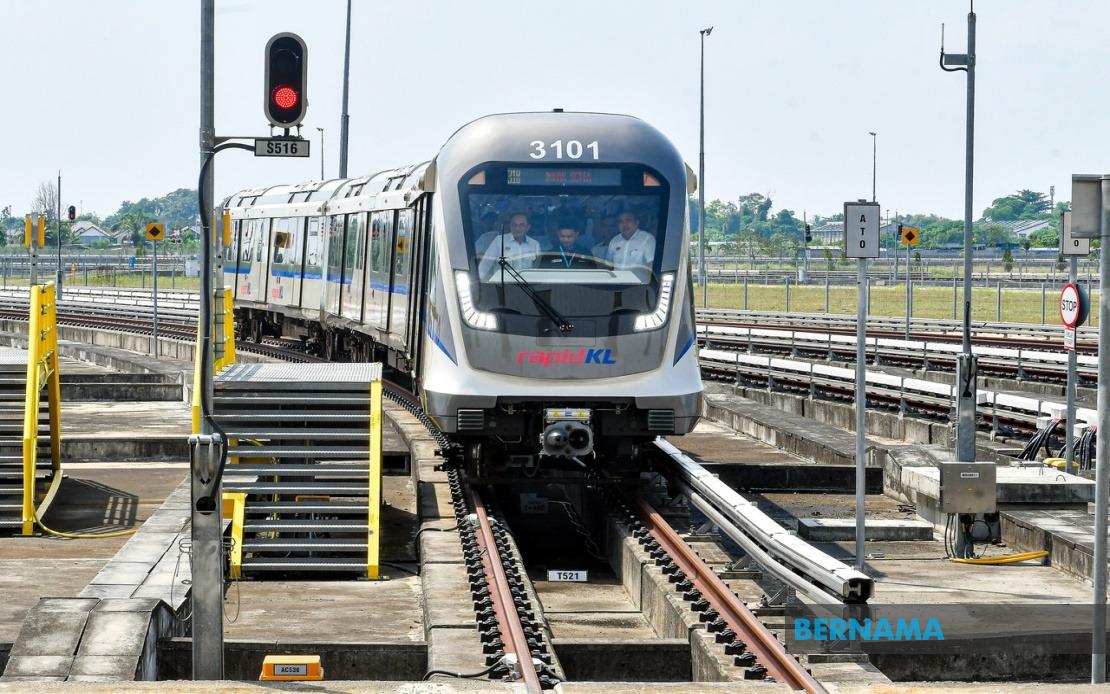
Prime Minister Datuk Seri Anwar Ibrahim has announced a generous month-long free fare initiative for the newly operational LRT3 Shah Alam Line, running from June 29 through July 31. The scheme extends to all passengers utilising the service as well as Prasarana Malaysia Berhad's feeder bus network along the corridor, representing a significant attempt to attract riders to the system during its critical launch phase. The initiative has generated considerable enthusiasm among commuters in the Klang Valley, particularly among student populations who stand to benefit most from reduced transport expenses.
For university students scattered across the greater Kuala Lumpur metropolitan area, the free fare period addresses a persistent financial burden that has traditionally pushed them toward e-hailing services or reliance on parental support. Universiti Teknologi MARA student Arissa Ahmad Khairul, a 22-year-old Bachelor of Journalism candidate, highlighted how the initiative eases the strain on already-tight student budgets. She emphasised that the combination of complimentary fares and improved train amenities creates a compelling case for shifting away from costlier transport alternatives, particularly for her journey connecting Kepong to the UiTM Shah Alam campus via Bandar Utama—a route that promises substantial time savings compared to previous commuting options.
The psychological value of the free trial extends beyond simple cost savings. Media personnel Yamin Ahmad, 25, characterised the month-long promotional period as a forward-thinking approach that removes financial barriers preventing potential riders from discovering the practical advantages of public rail transit. By eliminating the financial risk of trying an unfamiliar service, the scheme encourages commuters to experience firsthand the efficiency gains and expense reductions available through organised public transport rather than private vehicle use. This experiential learning during the trial period aims to convert temporary passengers into permanent users once regular fares commence.
The launch carries particular significance for Universiti Teknologi MARA's expansive student body. Mohamad Adib Hazim Mohamad Razali, who leads the institution's Students' Representative Council, underscored how the new line addresses mobility challenges facing the substantial off-campus population. Of approximately 42,000 enrolled students, only around 13,500 occupy on-campus residential colleges, leaving the remaining 28,500 to navigate independent commuting arrangements. Students residing in surrounding districts including Kuala Lumpur and Subang Jaya now possess a viable alternative to expensive ride-hailing platforms or the security and convenience trade-offs inherent in private vehicle ownership.
From a broader policy perspective, the Shah Alam Line represents a strategic component of Malaysia's evolving urban transport infrastructure, particularly as the nation grapples with congestion in the Klang Valley corridor. The free fare initiative functions simultaneously as a marketing mechanism and as recognition of affordability concerns that historically impede public transport adoption in developing economies. By demonstrating the tangible benefits of modern rail systems during a cost-free trial period, authorities endeavour to shift commuter behaviour patterns and normalise public transit use among demographics—especially students—who will shape transport preferences for decades ahead.
The feeder bus inclusion proves equally significant, as first-mile and last-mile connectivity represents a persistent challenge in Malaysian urban transit systems. By coupling the LRT3 line with complimentary Prasarana bus services, planners acknowledge that a rail system alone cannot serve dispersed populations effectively. Students and workers living beyond walking distance of stations now gain seamless, zero-cost journeys combining bus and rail components, potentially unlocking previously inaccessible residential and employment areas throughout the Shah Alam corridor.
Cost considerations undoubtedly drive much of the public enthusiasm. For a UiTM student commuting daily between campus and outer suburbs, traditional e-hailing expenditure can easily exceed RM50 to RM100 weekly—a substantial sum on typical student allowances. The Shah Alam Line, once paid fares commence, promises significantly lower marginal costs, making the transition from trial period to regular usage economically rational even for budget-conscious travellers. The one-month window provides sufficient exposure for riders to integrate the service into established routines and become confident navigating stations, schedules, and fare systems.
However, the scheme's success ultimately depends on converting free-fare riders into paying customers. Prasarana and government planners will closely monitor ridership patterns during the trial and subsequent months to assess whether the awareness campaign translates into sustained patronage. High-performing public transport systems globally often employ similar launch strategies, recognising that initial familiarity and habit formation during zero-cost periods substantially influence long-term adoption rates. The Shah Alam Line thus represents an important test case for Malaysian public transport policymaking.
Beyond immediate commuter benefits, the LRT3 expansion aligns with Malaysia's broader urban development strategy and sustainability objectives. Diverting car journeys onto electrified rail reduces carbon emissions and fuel consumption while simultaneously reducing infrastructure wear on congested road networks. For environmentally conscious commuters—increasingly prevalent among younger demographics—the psychological satisfaction of choosing public transport over private vehicles provides non-monetary value complementing the direct fare savings.
The timing of the announcement carries political weight as well, signalling government commitment to transport infrastructure improvement during the administration of Prime Minister Anwar Ibrahim. Urban populations, particularly students and young professionals, constitute important political constituencies whose transport experiences directly influence satisfaction with government performance. A successful LRT3 launch and sustained ridership post-trial period would deliver tangible public goods reinforcing the government's development narrative.
Looking ahead, the critical metric will be whether the temporary free-fare period achieves sufficient awareness and behaviour change to sustain healthy ridership once normal tariffs apply. Parallel initiatives—including targeted student discounts, employer partnerships, and integration with other transit systems—may prove necessary to maintain momentum. Nevertheless, the initial reception suggests that the Shah Alam Line addresses genuine commuting needs within the Klang Valley's complex metropolitan landscape, positioning it favourably for long-term viability as a cornerstone of regional public transport networks.

