France has recorded its first successful recovery from Ebola, as Health Minister Stéphanie Rist announced the discharge of a doctor who contracted the virus while working in humanitarian operations in central Africa. The patient, whose case marks a significant milestone in French public health management, returned to his home after completing treatment and demonstrating clinical improvement without developing the severe complications typically associated with the disease.
The infected individual, a medical professional engaged in humanitarian aid work, arrived in France on June 23 after spending time in the Democratic Republic of the Congo, where the health system has been overwhelmed by a resurgent outbreak of the hemorrhagic fever. His timely return to France and subsequent admission to specialist medical care proved instrumental in his recovery, highlighting the disparity in health infrastructure and disease management capacity between developed nations and those in the midst of active epidemics.
The patient's clinical trajectory differed markedly from the severe presentations documented in many cases emerging from the Congo. Upon arrival in France, he was placed under rigorous medical observation protocols designed to monitor for the appearance of symptoms that typically emerge within two to twenty-one days of infection. The fact that he remained asymptomatic or experienced only mild manifestations allowed physicians to avoid the intensive interventions required in critical cases, ultimately contributing to his rapid discharge and return to normal life.
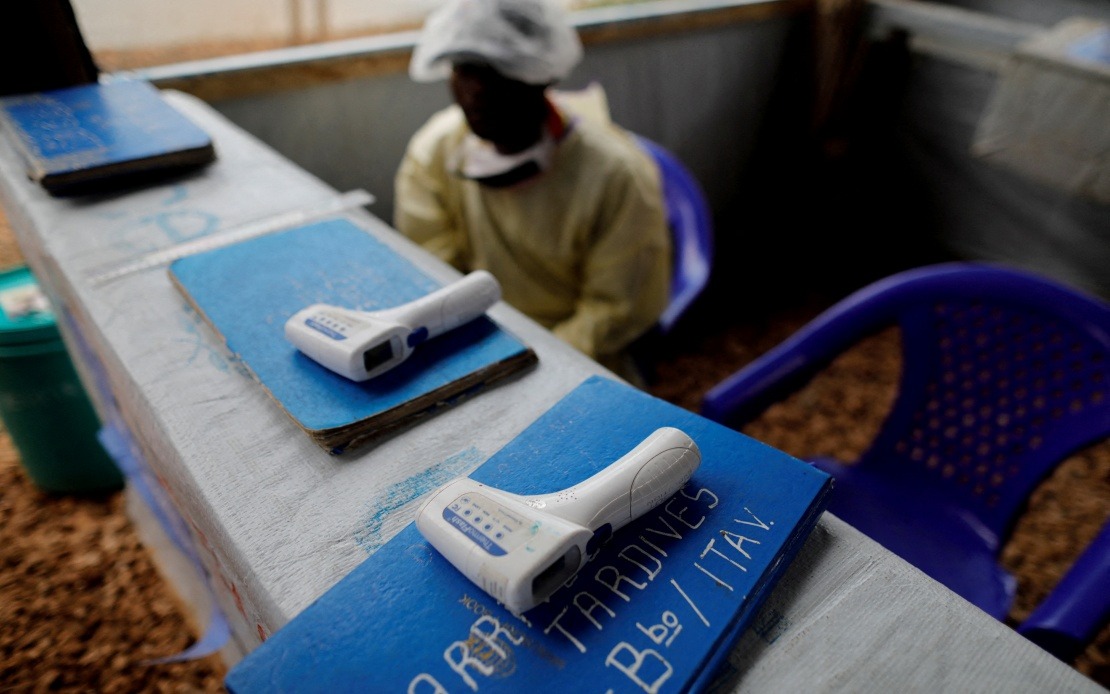
The Democratic Republic of the Congo has grappled with a particularly virulent Ebola outbreak that commenced on May 15, representing a fresh challenge to a nation already dealing with recurring health crises and limited medical resources. Government health authorities have documented an increasingly alarming toll, with confirmed deaths reaching 438 across 1,502 identified cases as of the reporting date. This represents a fatality rate of approximately 29 percent, a figure that underscores both the virus's lethality and the challenges faced by healthcare workers attempting to contain its spread in a region with fragile medical infrastructure.
The contrast between the French outcome and the situation in the Congo illustrates the profound impact of healthcare capacity on survival rates from infectious diseases. Where France could offer isolation facilities, advanced diagnostic capabilities, and continuous specialist monitoring, the Democratic Republic of the Congo struggles with shortages of protective equipment, limited laboratory capacity, and geographic barriers that impede disease surveillance. For Malaysian readers and policymakers across Southeast Asia, this case reinforces the critical importance of maintaining robust public health surveillance systems and investing in outbreak preparedness, particularly given the region's proximity to potential disease hotspots.
The successful treatment of this French patient provides reassurance regarding the containability of Ebola through proper infection control measures and medical intervention. However, it also starkly illustrates how effective prevention at source remains preferable to reactive treatment. The humanitarian worker's infection in the Congo represents a breach in occupational safety protocols that, while ultimately overcome in his case, reflects the hazardous conditions faced by medical personnel responding to the outbreak.
France's management of this case demonstrates the capabilities of Western European healthcare systems in managing infectious disease threats, even those requiring specialized isolation and supportive care. The swift identification, isolation, and successful treatment without documented secondary transmission cases reveals the effectiveness of established protocols developed over decades of managing imported infectious diseases. This institutional competence provides a model that developing nations, including those in Southeast Asia, might study and adapt according to their own resource constraints and epidemiological contexts.
The case also raises important questions about disease surveillance among international travelers and workers returning from high-risk zones. Enhanced screening protocols at points of entry, coupled with public awareness campaigns directed at healthcare workers and humanitarian personnel, can identify potential cases before community transmission occurs. For countries like Malaysia with active international health programs and significant outbound humanitarian engagement, establishing clear guidelines for health screening of returning workers becomes an operational necessity.
From a regional perspective, the emergence of Ebola cases among international healthcare workers highlights how global health threats transcend borders and national boundaries. While Southeast Asia has not experienced endemic Ebola transmission, the possibility of imported cases demands preparedness among national health authorities. Investment in diagnostic capacity, training of infectious disease specialists, and establishment of isolation facilities capable of managing viral hemorrhagic fevers constitute essential components of any comprehensive pandemic preparedness strategy.
Looking forward, this successful French recovery case should prompt reflection among Southeast Asian health ministries about their own capacity to manage similar scenarios. The Democratic Republic of the Congo outbreak will likely continue producing cases, including among international workers, some of whom may return to the region. Establishing clear protocols for identifying, isolating, and treating potential Ebola cases before symptoms develop—as occurred with the French patient—represents a significant public health advantage that fewer nations in Southeast Asia currently possess.

