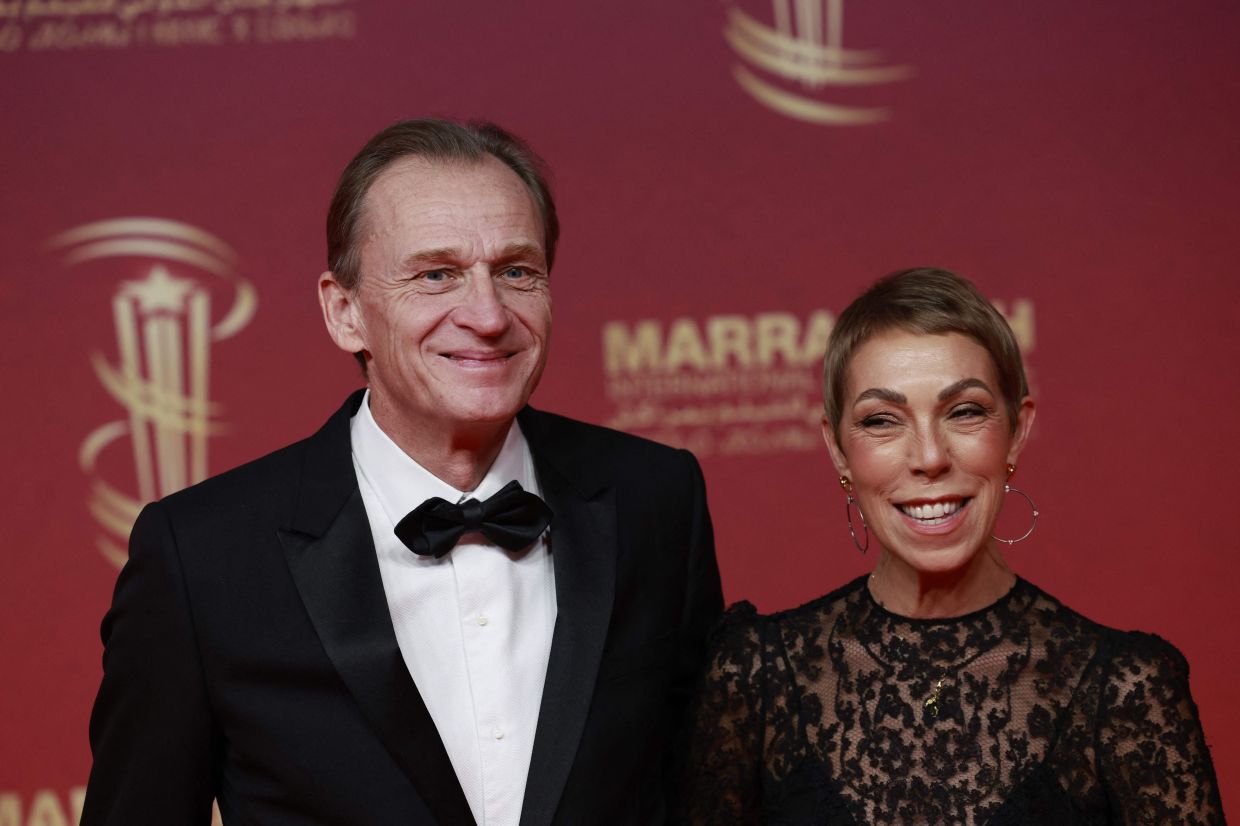
Two prominent figures from French entertainment and luxury fashion have died in a traffic collision in the Deux-Sevres region of western France, marking a tragic loss for the creative industries. Nicolas Altmayer, a 61-year-old film producer of international renown, and Mathilde Favier, 57, who served as head of public relations for the storied fashion house Dior, were killed when their car struck an oncoming truck on Monday afternoon. According to Nicolas Leclainche, deputy public prosecutor in Niort, the fatal crash occurred as the couple attempted to overtake another vehicle on a regional road, an action that placed them directly in the path of the approaching truck.
Altmayer's career in cinema spanned decades and earned him recognition as one of France's most accomplished producers. Together with his brother Eric, he established Mandarin & Compagnie, a production company that developed projects bridging mainstream entertainment with artistic ambition. The siblings' work achieved particular recognition in 2017 when they were jointly awarded the Daniel Toscan du Plantier Prize, France's equivalent to the Academy Award for Best Picture, cementing their status as leading creative figures in the French film industry. Their filmography demonstrated a sophisticated understanding of genre, blending commercial appeal with directorial vision, a balance that remains rare in contemporary cinema.
Favier brought equally distinguished credentials to the luxury sector. As public relations chief for Dior, one of the world's most prestigious fashion conglomerates, she occupied a position of significant influence within the LVMH empire, the multinational luxury goods corporation owned by French billionaire Bernard Arnault. Her role extended beyond routine communications, as she became instrumental in shaping Dior's public narrative and brand positioning during a period of considerable expansion within the global luxury market. The intersection of their professional worlds—entertainment and haute couture—represented crucial pillars of French cultural export and soft power, making their deaths resonant far beyond immediate circles.
The couple's relationship, which united two sectors of French creative achievement, evidently balanced both professional distinction and personal commitment. The circumstances of their death reveal the sudden vulnerability that exists even among accomplished individuals navigating routine journeys. Road safety statistics across Western Europe consistently demonstrate that overtaking maneuvers account for a disproportionate number of fatal collisions, particularly when drivers miscalculate clearance and closing speeds on regional routes where traffic volumes can prove deceptive.
Reactions to their deaths flooded through French cultural institutions and the international fashion world, underscoring the breadth of their professional impact. Jean Dujardin, the Oscar-winning French actor who collaborated with Altmayer on film projects, expressed his devastation through social media, emphasizing the mutual affection that characterised their relationships. Such tributes illuminate how creative professionals often form close working bonds that transcend conventional business arrangements, creating networks of genuine personal regard across industries.
France's Culture Minister Catherine Pegard released an official statement characterising Altmayer as a distinctive creative force. She praised his capacity to synthesize popular commercial sensibilities with the ambitions of auteur filmmakers, a duality that defines the most successful productions emerging from French cinema. Pegard's remarks positioned Altmayer within a broader context of French cultural achievement, suggesting his work represented something more than isolated commercial success—rather, an exemplification of French artistic excellence itself. By extension, her tribute to Favier acknowledged fashion and luxury manufacturing as equally valid expressions of French cultural greatness, reflecting how nations construct soft power through multiple creative channels.
Bernard Arnault, LVMH's controlling shareholder and one of the world's wealthiest individuals, issued a statement through Dior's official Instagram account that personalized the loss beyond corporate formality. He highlighted Favier's decades of devoted service, her passionate commitment to the brand's vision, and her ability to channel considerable talent toward collective objectives. Such acknowledgment from the apex of the luxury industry's hierarchy suggests Favier occupied a trusted position of meaningful authority within the Arnault-controlled structure, rather than occupying a marginal communications role.
The tragedy reverberates across sectors that remain central to French economic and cultural identity. The film production industry and luxury fashion sector together generate substantial revenue, employment, and international prestige for France. Loss of established figures creates not merely emotional impact but practical disruption—current projects require continuity planning, institutional knowledge must be redistributed, and emerging talent loses mentorship from experienced practitioners. For Malaysian observers, this incident underscores how concentrated expertise in creative industries renders organizations vulnerable when key personnel are lost unexpectedly.
The international nature of contemporary creative work means that reverberations extend beyond French borders. Both individuals maintained engagement with global entertainment and fashion networks, collaborating with producers, actors, and designers across multiple continents. Southeast Asian creative industries, including Malaysia's expanding film and fashion sectors, often depend on precisely these kinds of international partnerships and knowledge exchange with European creative centres. The loss of bridge figures who facilitate cross-cultural creative exchange represents a setback to the broader ecosystem of artistic collaboration.
Investigations into the precise circumstances of the collision will likely continue, as French authorities reconstruct the sequence of events and determine whether contributing factors beyond driver error played roles in the tragedy. Regional road conditions, vehicle specifications, visibility, and the truck driver's perspective will all form part of the official analysis. Such investigations, while ultimately academic in resolving personal loss, contribute to transport safety frameworks and occasionally prompt policy adjustments addressing dangerous road configurations or overtaking patterns.
The deaths of Altmayer and Favier serve as sharp reminders of mortality's indifference to professional accomplishment or social position. Within hours, two individuals at the pinnacle of their respective fields transitioned from productive engagement with ongoing projects to absence. For creative communities that often emphasize future-oriented planning and project development, such interruptions force confrontation with human fragility underlying even the most impressive achievement.

