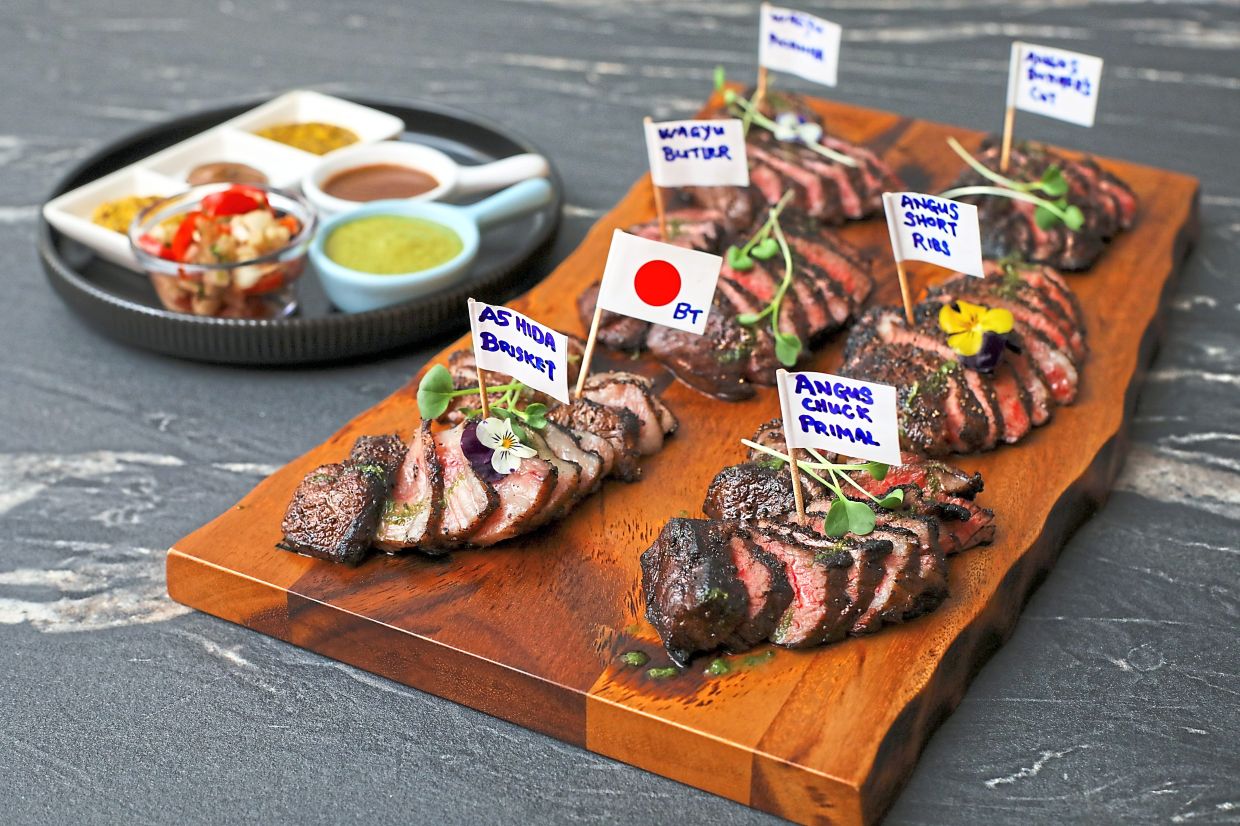
Malaysian chefs are quietly revolutionising how diners experience beef, moving beyond the expensive prime cuts that have dominated fine dining for decades. At Meat Feds in Petaling Jaya, chef Yenni Law has become a specialist in transforming secondary beef cuts into restaurant centrepieces, a venture recognised when she and co-founder Shelly Saw earned a Malaysia Book of Records accolade for featuring the most secondary cuts of beef on a single restaurant menu with 20 different offerings. While Law remains somewhat exceptional in an industry traditionally fixated on striploin, tenderloin and ribeye steaks, a broader culinary awakening is underway across the Klang Valley's dining establishments.
The beef consumption landscape in Malaysia presents an untapped opportunity. Although Malaysians represent the region's largest beef consumers, the market has historically concentrated demand on the premium trinity of cuts, which comprise merely 8 to 10 percent of a cow's total yield. The remaining 80 to 90 percent—encompassing cuts such as flat iron from the shoulder, flank from the abdominal muscles, hanging tender from the diaphragm, outside and inside skirt, chuck primal from the shoulder and neck regions, and picanha from the top rump cap—has typically been relegated to ground beef, burger patties and sausage production. This systemic underutilisation means most diners have never experienced the distinct flavour and textural characteristics these cuts offer when prepared as proper steaks.
Over the past year, momentum has visibly shifted within mid-range and high-end restaurants across the metropolitan area. This movement did not emerge spontaneously but rather through deliberate market education initiatives. Organisations including Meat & Livestock Australia and distributors such as Lucky Frozen Sdn Bhd have orchestrated seminars, demonstration events and chef workshops that reposition secondary cuts as culinary stars rather than utilitarian ingredients. At these gatherings, secondary cuts are featured prominently as succulent steaks designed to command attention and respect on the plate, fundamentally challenging chef perceptions about their potential.
This strategic approach mirrors successful precedents in international culinary markets. During the 1980s, Norway's Minister of Fisheries launched an intensive campaign to introduce Norwegian salmon to Japanese consumers at a time when local chefs actively dismissed the ingredient as unsuitable for traditional cuisine. Decades later, salmon sushi has become Japan's most popular sushi topping, demonstrating how systematic education and deliberate promotion can completely transform ingredient perception and market dynamics. The parallels in the Malaysian beef market are striking, with Law herself acknowledging that she now attends these educational sessions regularly, bringing her entire team to learn from master butchers about precise trimming techniques and proper processing methods.
Valeska V, regional manager for Meat & Livestock Australia across Southeast Asia, articulates the philosophy driving these initiatives. Prime cuts possess natural tenderness and require minimal preparation, making them straightforward for both chefs and consumers to embrace. However, as culinary sophistication increases and diners become more adventurous, secondary cuts present genuine opportunities for exploration. The organisation's engagement strategy focuses on helping chefs understand the diverse characteristics and preparation methods for cuts that might otherwise face dismissal. This educational groundwork proves essential because secondary cuts contain more sinew, connective tissue and fat than prime cuts, demanding considerably more skill and practice to process correctly.
Economic pressures provide substantial additional motivation for this industry pivot. Secondary beef cuts typically cost 20 to 60 percent less than prime cuts, representing hundreds of ringgit in potential savings per serving. This price differential has become increasingly significant as global supply chain disruptions and the worldwide oil crisis have dramatically increased premium beef costs. Desmond Chong, head chef at the woodfire grill restaurant Ignis KL, observes that prime cut prices have surged approximately 30 percent while secondary cuts have experienced far more modest increases around 10 percent. Such disparity has compelled many chefs to reconsider their sourcing strategies and menu composition. Chong has responded by incorporating three to four secondary cuts into his restaurant's offerings, a decision driven by both commercial necessity and culinary merit.
The broader beef availability crisis underpins this necessity. James See, business development director at Lucky Frozen Sdn Bhd, emphasises that Malaysia's steady appetite for beef combined with global scarcity creates an imperative to embrace greater diversity in beef sourcing and consumption patterns. Utilising the entire animal carcass and identifying value across different cuts represents the most resilient approach to managing potential beef inflation and supply volatility. This philosophy extends beyond mere cost management—it reflects a more sustainable and comprehensive use of livestock resources, reducing waste while maximising economic value.
Yet secondary cuts deliver genuine culinary advantages beyond financial considerations. They offer diverse textural and flavour profiles that present a broader sensory spectrum than prime cuts alone. At Meat Feds, Law's curated platters featuring butcher's cut, chuck primal, brisket, picanha and short rib demonstrate how different sections of the animal deliver distinct bovine flavours alongside varying levels of chew, bounce, tenderness and malleability. Similarly, at Ignis, Chong's charcoal-fired short ribs and flat iron steaks achieve beautifully charred exteriors with silken interiors that rival prime cuts in sensory satisfaction without requiring excessive expense or indulgence.
The learning curve these cuts demand remains substantial. Law herself emphasises that mastering secondary cuts requires genuine dedication and practice, as distinguishing between fat, sinew and silver skin demands visual acuity and technical skill that develops only through repetition and hands-on experience. The complexity involved explains why secondary cuts have previously occupied an underutilised corner of the culinary landscape—many chefs simply lacked the training or inclination to invest time in mastering unfamiliar preparations.
For Malaysian restaurateurs navigating current market conditions, secondary cuts represent far more than a temporary expedient. They embody a philosophically mature approach to ingredient utilisation that acknowledges culinary sophistication, economic sustainability and resource consciousness. As organisations like Meat & Livestock Australia continue supporting chef education and distributors increasingly prioritise these cuts, the trajectory suggests secondary beef cuts will transition from niche speciality to standard menu staple. Law's prediction that more restaurants will embrace secondary cuts aligns with broader industry movements toward greater diversity and sustainability in meat consumption patterns across Southeast Asia.
This culinary evolution carries implications beyond individual restaurants. It signals a fundamental shift in how Malaysia's dining culture approaches luxury and value, suggesting that sophistication increasingly manifests through skill and creativity rather than through procurement of the most expensive raw materials. As diners become educated about secondary cuts and chefs grow confident in their preparation, the beef menu landscape will likely become considerably more diverse and interesting. The movement reflects broader global trends toward nose-to-tail butchery and whole-animal utilisation—approaches that ultimately prove both economically and environmentally superior to traditional models focused narrowly on premium cuts. For Malaysian chefs willing to invest in mastering these techniques, secondary cuts offer a pathway to differentiation and culinary authenticity.

