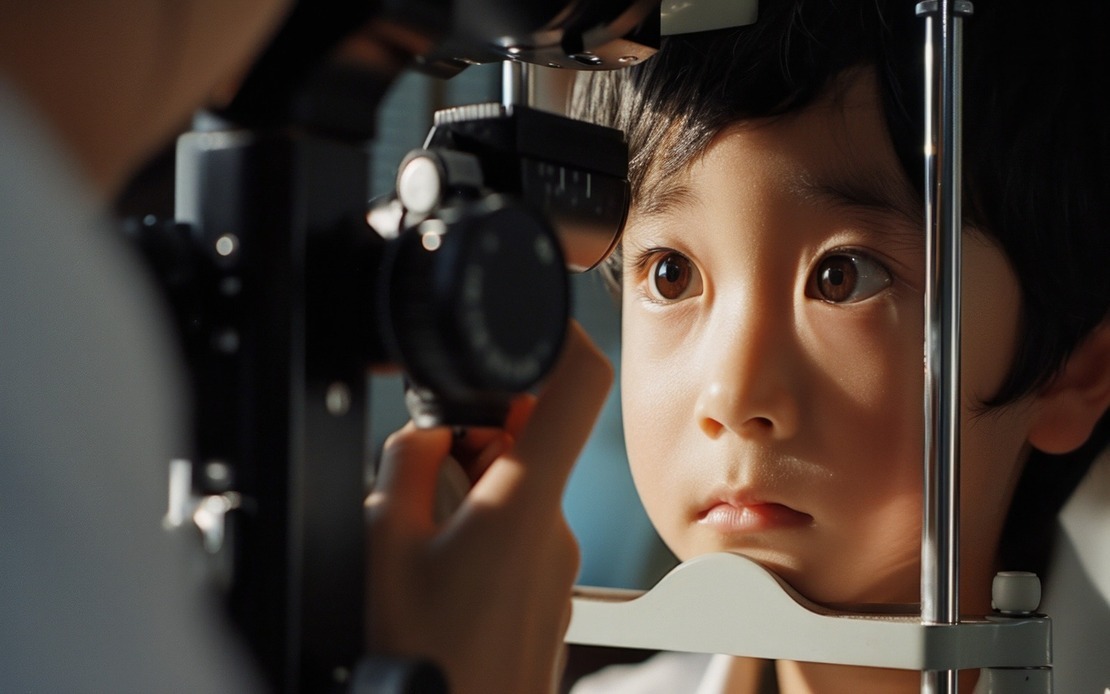
Vision problems that go undetected during childhood or later years can have profound consequences extending far beyond simple sight difficulties, affecting academic performance, employment prospects, and overall well-being. According to consultant ophthalmologist Dr Fazilawati A Qamarruddin at Sunway Medical Centre, Sunway City, many Malaysians remain unaware of treatable eye conditions that are prevalent across different age groups, from young children to senior citizens. The failure to identify and address these conditions early often results in preventable visual impairment that could have been managed through straightforward interventions.
One of the most common yet frequently overlooked conditions is strabismus, commonly known as squinting, where the eyes become misaligned with one eye pointing in a different direction than the other. Beyond the cosmetic concerns, this condition directly undermines a child's ability to develop proper depth perception, learn effectively in school, and build social confidence. Dr Fazilawati explains that while squinting may stem from uncorrected refractive errors requiring only glasses, it can also indicate more serious underlying issues such as nerve damage, neurological deficits, brain trauma, or tumours affecting the brain or eye sockets. The condition warrants careful medical evaluation, particularly when accompanied by double vision in adults, as such symptoms could signal the presence of dangerous intracranial pathology.
The prevalence of strabismus among Malaysian children is more significant than many parents realize. International research indicates that between two and four percent of children worldwide experience this condition, a seemingly modest figure that translates into thousands of affected children across Malaysia. However, the true concern lies in detection rates: many cases remain unidentified until the child's academic performance begins to decline or teachers and peers notice the child's social withdrawal and reduced confidence. Without treatment, strabismus frequently progresses to amblyopia or lazy eye, a neurological adaptation where the brain progressively favors the stronger eye and begins ignoring signals from the weaker one, eventually resulting in permanently reduced vision in the affected eye.
Given these potential consequences, Dr Fazilawati strongly advocates for structured vision screening programmes beginning by age three and continuing before school entry. These early assessments prove invaluable because refractive errors, the most common eye problems among Malaysian children, respond exceptionally well to correction with prescription eyewear when identified promptly. Parents should view certain warning signs as indicators for immediate professional evaluation: if a child frequently tilts their head, squints habitually, positions themselves unusually close to screens or books, or complains of recurrent headaches, a comprehensive eye examination becomes essential rather than optional. Early identification can determine whether a child requires only glasses or faces the prospect of lifelong visual compromise.
Beyond childhood, cataracts emerge as the predominant eye condition affecting older Malaysians, particularly those over sixty years of age. Though aging represents the primary risk factor, the condition develops earlier in individuals with diabetes, smokers, and those with significant ultraviolet light exposure. The visual consequences prove frustrating and functionally limiting: affected individuals experience progressive cloudiness in their vision, increased sensitivity to glare, diminished colour perception, and particular difficulty navigating nighttime environments. These combined effects substantially reduce independence and increase accident risk, especially among older drivers whose abilities are already declining naturally with age.
Many Malaysians labor under outdated assumptions about cataract treatment, believing the surgery remains risky, prolonged, or requiring extensive recovery time. Contemporary phacoemulsification techniques have revolutionized cataract management, utilizing ultrasound energy to fragment the clouded lens through a minimal incision measuring only a few millimeters. This minimally invasive approach contrasts sharply with older surgical methods requiring larger incisions and sutures. The practical implications prove substantial: most procedures can be performed in outpatient settings without overnight hospitalization, allowing patients to return to light activities within days and achieve full visual restoration within approximately two weeks. This advancement transforms cataract surgery from a major medical event into a straightforward corrective procedure.
Contemporary lifestyle patterns introduce additional challenges to Malaysian eye health, particularly for younger generations. Prolonged engagement with digital devices—smartphones, tablets, computers—has become ubiquitous among children and teenagers, and emerging evidence suggests this intensive screen exposure may accelerate the progression of myopia or short-sightedness. Dr Fazilawati recommends implementing the 20-20-20 rule as a practical preventive strategy: every twenty minutes of screen use should be interrupted by focusing on an object approximately twenty feet away for a minimum of twenty seconds. This simple practice gives the eye muscles opportunity to relax and reduces the cumulative strain that may contribute to refractive error development and progression.
Systematic screening recommendations should guide health-conscious Malaysians across their entire lifespan. Adults without existing eye conditions should commence regular examinations beginning at age forty, establishing a baseline and monitoring for age-related changes such as presbyopia and early cataract formation. Children require vision assessment before school enrollment to ensure optimal conditions for learning. Individuals living with diabetes face particular risk from diabetic retinopathy, a potentially blinding complication that progresses silently without symptoms until significant damage has already occurred; consequently, this population requires annual professional eye examinations without exception. Early detection of diabetic retinopathy, when managed through contemporary laser and injection therapies, can often preserve functional vision that would otherwise deteriorate toward blindness.
The broader implications of comprehensive eye care extend far beyond medical metrics. Accessible vision correction through early detection directly supports children's academic achievement, classroom participation, and social integration with peers. For working-age adults, maintaining visual health protects employment capability and occupational safety. Among older citizens, preserved vision enables independence in daily activities, reduces fall risk, and supports continued social engagement and quality of life. Conversely, postponing recommended screenings represents a false economy: delayed diagnoses frequently necessitate more complex interventions, result in worse visual outcomes, and ultimately prove more costly to individuals and the healthcare system. Dr Fazilawati's message remains clear: proactive attention to vision health across the lifespan yields substantial benefits in learning capacity, independence, and wellbeing that extend far into the future.

