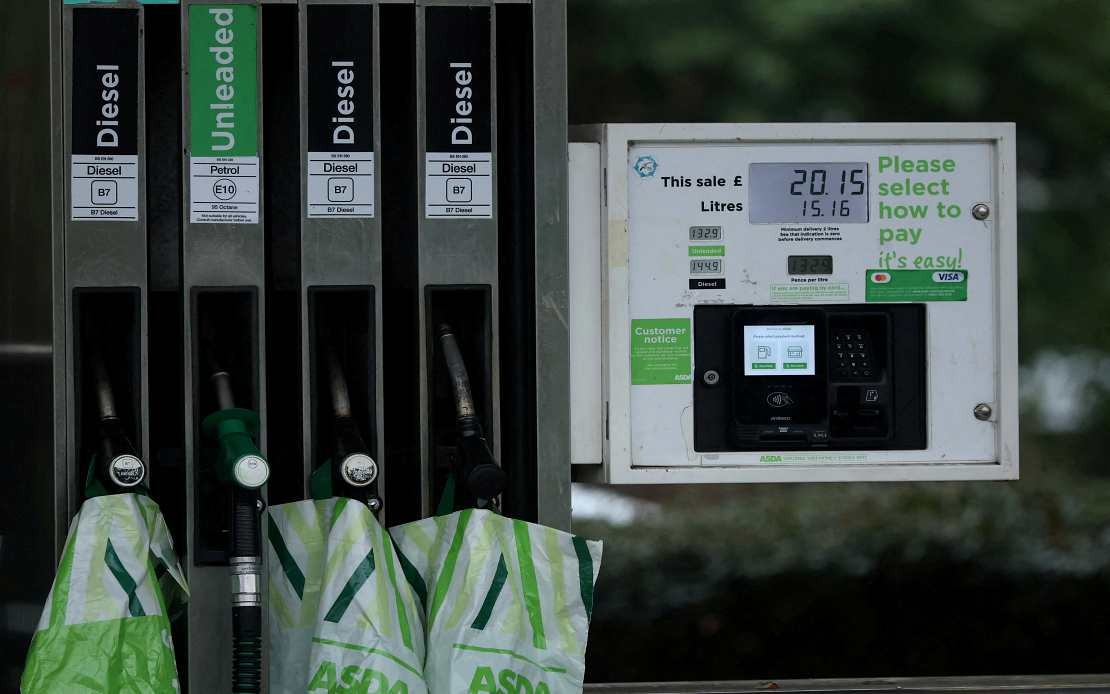
The United Kingdom is grappling with a sharp escalation in fuel theft at forecourts across the country, with analysis revealing that motorists are siphoning away approximately £194,000 worth of petrol and diesel daily since geopolitical tensions with Iran intensified. The figures, compiled by Forecourt Eye, a fuel theft prevention specialist, underscore the economic strain that soaring energy costs are placing on consumers and small business operators alike, drawing uncomfortable parallels to pressures being felt across Europe and beyond.
The crisis intensified following the onset of regional tensions on 28 February, which triggered a cascade of supply-chain disruptions and inflationary pressures on global energy markets. In the five-month window following that date, fuel theft incidents documented across a representative sample of 550 UK installations surged by 20 per cent compared with the equivalent period beforehand. What makes this trend particularly alarming for retailers is that the rising cost of stolen fuel has compounded the loss—the monetary value of missing fuel climbed 48 per cent over the same timeframe, reflecting both increased transaction volumes and sharply elevated pump prices.
Petrol prices have climbed to levels not witnessed in three and a half years, with the average litre now trading at 160 pence—a jump of approximately 27 pence since before the conflict began. Diesel has proven even more volatile, with average prices rising by 37 pence per litre to 179 pence. For independent petrol station operators, many of whom maintain razor-thin profit margins, this combination of higher costs and increased theft represents an existential threat to their viability.
Analysis of theft patterns reveals important nuances in who is driving the surge. First-time offenders account for a disproportionate share of the increase, with incidents among this cohort climbing 23 per cent and the volume of fuel stolen rising 26 per cent. Repeat offenders have also intensified their activity, though at somewhat lower rates of 17 and 20 per cent respectively. This suggests that the crisis is not merely attracting hardened criminal elements but is pushing ordinarily law-abiding citizens toward desperate measures as living costs spiral beyond reach.
The theft incidents take two primary forms. Drive-offs occur when motorists fill their tanks and depart without any attempt to settle the bill, whilst no-means-of-payment cases involve customers who pump fuel and then claim an inability to pay. Both categories have accelerated, reflecting the desperation gripping households struggling with energy bills that have doubled or trebled in some cases.
Gordon Balmer, executive director of the Petrol Retailers Association representing independent station operators, has warned of a troubling secondary consequence: staff members working at forecourts report escalating verbal abuse and aggression from customers frustrated by fuel costs. These workers, many of whom have minimal influence over pricing, have become flashpoints for public anger about energy affordability—a dynamic that authorities and industry bodies are only beginning to acknowledge.
One revealing perspective comes from operators themselves. Ben Lawrence, a director at Lawrences Garages, which operates five stations in Norfolk and Hampshire, observes that fuel theft has historically been concentrated among individuals engaged in broader criminal activity. Today's surge, however, reflects a fundamental shift in the demographic profile of offenders. Lawrence notes a critical misunderstanding among some motorists: they believe that branded forecourts operated under BP or Shell signage are owned by those multinational corporations. In reality, most are independently operated franchises operated by small business owners with limited financial cushion. When a customer departs without paying for £80 to £90 worth of fuel, the loss flows directly to the independent operator, not to the oil majors.
In response to the escalating crisis, Forecourt Eye has partnered with Facewatch, a crime technology firm, to provide free access to incident reporting tools. This partnership aims to streamline the recording of fuel thefts alongside related crimes such as shop lifting and assault. The technology extends to optional participation in a live facial recognition network operated by Facewatch, designed to flag known repeat offenders as they approach forecourts. Michelle Henchoz, managing director of Forecourt Eye, framed the initiative as essential infrastructure for retailers facing increasingly organized and sophisticated criminal activity.
The measures reflect a broader recognition within the retail and forecourt sectors that technological solutions must complement enforcement efforts. Petrol Retailers Association director Balmer endorsed the technology partnership, characterising it as a positive step that equips smaller operators with defensive tools previously available only to large chains. However, such technological responses remain fundamentally symptomatic treatment rather than solutions to the underlying affordability crisis driving the behaviour.
For Southeast Asian observers, the UK experience offers instructive lessons. Energy price volatility and supply disruptions carry global consequences, particularly for import-dependent economies in the region. Malaysia, with its own energy sector complexities and consumer affordability challenges, could find itself navigating similar dynamics should regional tensions or global commodity shocks translate into sharply elevated fuel costs. The UK case demonstrates how rapidly energy insecurity can erode social cohesion and drive otherwise law-abiding citizens toward economic desperation.
The forecourt theft surge also illuminates the vulnerability of small business ecosystems when macroeconomic shocks occur. Independent petrol station operators in the UK, like small retailers across Southeast Asia, lack the financial depth and supply-chain flexibility of large corporations. They absorb losses directly and cannot offset them through cross-portfolio strategies. As energy costs remain elevated and consumer finances remain strained, the coming months will likely determine whether the UK's fuel theft crisis stabilises or escalates further, setting a cautionary template for other developed and developing economies facing similar pressures.

