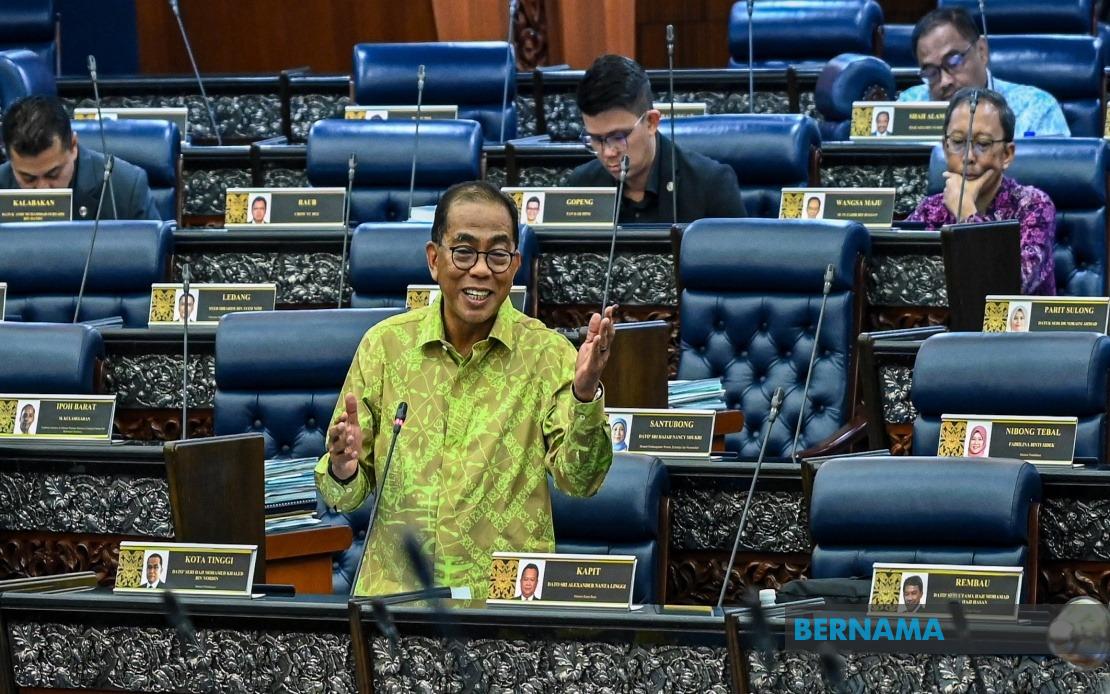
The Malaysian Defence Ministry is set to deliver a comprehensive investigation report on July 23 concerning a fatal grenade explosion that occurred at the Hobart Camp Firing Range in Gurun, Kedah last month. Defence Minister Datuk Seri Mohamed Khaled Nordin confirmed the timeline while addressing parliament, emphasising that the exhaustive review process reflects the military's commitment to understanding the incident's technical and procedural dimensions before drawing final conclusions about what transpired.
The tragedy unfolded on June 16 during a Combat Enhancement Training exercise when a grenade detonated inside a bunker at approximately 10.57 am, claiming the lives of Lance Corporal Siti Khadijah Sungip and Sergeant Norazmi Abu Bakar, who was supervising the training operation. Both service members sustained critical injuries from the blast and died en route to Sultan Abdul Halim Hospital in Sungai Petani, marking a significant loss for the Malaysian Armed Forces and raising immediate questions about safety protocols in live-fire training scenarios.
The investigation process has been methodical and multi-layered. The Army established a board of inquiry that convened the day immediately following the incident on June 17, 2026, reflecting the military's swift response to the emergency. This board subsequently submitted its initial findings for review through the proper chain of command, first to the 2nd Division Headquarters and then to the Army Western Field Command Headquarters. When the Defence Ministry received the preliminary report from Army Western Field Command on July 13, officials recognised that the investigation required additional work to ensure completeness and credibility.
Mohamed Khaled's explanation for the extended timeline reveals the rigorous nature of military investigations into training accidents. The ministry determined that several witnesses needed to be recalled for further questioning, and testimony from additional witnesses would strengthen the investigation's findings. This approach reflects international best practices in accident investigation, where witness statements form a crucial pillar of understanding complex incidents involving explosives. The decision to extend the inquiry rather than rush to conclusions demonstrates institutional responsibility, particularly given that such incidents can carry legal and policy ramifications extending far beyond the immediate tragedy.
In response to queries from parliament about the incident's cause and preventative measures, Mohamed Khaled outlined the immediate operational response. Army Chief General Tan Sri Azhan Md Othman ordered a comprehensive temporary suspension of all grenade-throwing exercises across the armed forces, effectively halting a core component of infantry training until safety measures could be verified. Furthermore, the 1st Squadron of the Royal Engineer Regiment underwent a special inspection of all remaining grenades in its inventory, a precautionary measure designed to identify any other munitions that might pose similar risks.
The Defence Ministry has committed to implementing several substantive safety enhancements designed to prevent future incidents and improve oversight of high-risk training activities. Installation of closed-circuit television cameras at firing ranges will create visual records of training exercises, providing investigators with independent documentation beyond witness recollection. Body-worn cameras for instructors and trainees will capture additional perspectives during live-fire operations, enhancing situational awareness and post-incident analysis. These technological additions represent a significant investment in training safety infrastructure.
Beyond surveillance measures, the ministry is introducing a casting policy for ammunition and explosives that will establish and track service life for all ordnance used in training. This systematic approach addresses potential equipment degradation over time, ensuring that grenades and other munitions meet performance specifications. Military equipment deteriorates through storage, environmental exposure, and handling, and explosives become increasingly unstable as they age. A formal casting policy creates accountability and prevents the use of questionable ordnance in training environments where servicemembers' lives depend on equipment reliability.
For Malaysian military observers and defence policy analysts, this incident underscores the inherent risks associated with live-fire training, particularly when involving explosive devices like grenades. Despite rigorous protocols and experienced instructors, accidents can occur due to equipment failure, procedural lapses, or unforeseen circumstances. The investigation will likely yield insights into whether the explosion resulted from a defective grenade, improper handling, environmental factors, or some combination of technical and human elements. Each category of causation would carry different implications for force-wide training adjustments.
The two-week delay in submitting the full report, while potentially frustrating to the families of the deceased and to parliament, reflects the complexity of properly investigating incidents involving explosives. Rushing to conclusions based on incomplete evidence could lead to incorrect remedial measures that fail to address root causes while potentially implementing unnecessary restrictions on training. The thoroughness of Malaysia's approach contrasts with military cultures that prioritise rapid closure over investigative rigor, setting a standard for transparency and accountability in training accident investigations.
The implications of this incident extend beyond the Gurun facility. Military training establishments across Southeast Asia frequently employ similar grenade exercises and face comparable safety challenges. Malaysia's detailed investigation and subsequent policy adjustments could provide lessons for regional defence forces attempting to balance the operational necessity of realistic training with appropriate safeguards for personnel. The publication of safety enhancement measures, once the full report is released, will likely generate discussion about standards for explosive ordnance management across the armed forces.
Parliament's engagement with this issue reflects democratic oversight of defence operations and military training protocols. Datuk Mohd Isam Mohd Isa's parliamentary questions prompted detailed ministerial responses about both the investigation's status and preventative measures, ensuring that elected representatives remain informed about significant incidents affecting service personnel. This accountability mechanism contributes to public confidence in military training governance, demonstrating that such incidents trigger serious institutional responses rather than being treated as inevitable accidents requiring no systemic remedies.
When the full report emerges on July 23, it will likely provide specific technical details about the grenade's condition, the exercise's procedural aspects, and witness accounts of the explosion's sequence. The investigation's conclusions will shape training protocols not just at Gurun but potentially across all Malaysian Armed Forces firing ranges. Whether the incident results from equipment failures, procedural gaps, or training doctrine adjustments will determine the scope and nature of remedial actions implemented ministry-wide, making the investigation's findings consequential for thousands of active-duty personnel conducting regular training exercises throughout Malaysia's military installations.

