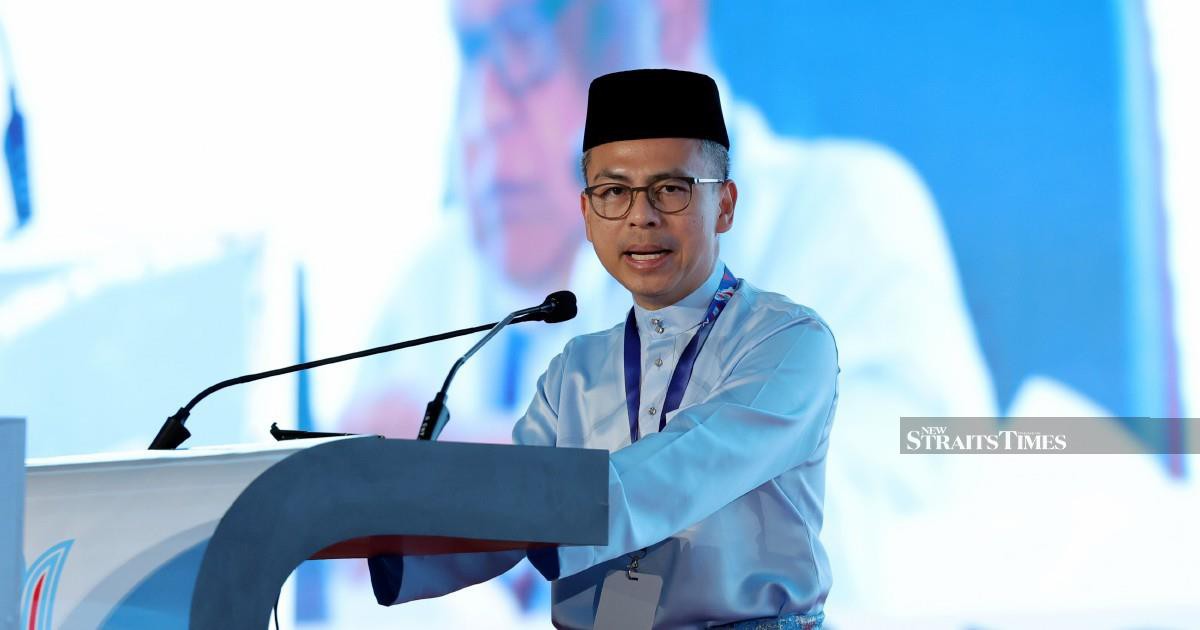
Prime Minister Datuk Seri Anwar Ibrahim appears poised to unveil additional changes within the government apparatus, with senior party officials suggesting further announcements could materialize within the next 24 hours. Speaking from Ayer Keroh, PKR information chief Datuk Seri Fahmi Fadzil indicated that the prime minister may have more details to share regarding upcoming appointments and portfolio assignments, pointing toward a period of active governmental reshuffling.
The timing of these expected revelations comes amid ongoing attention to Malaysia's cabinet composition and ministerial responsibilities. Government restructuring at this scale typically indicates either strategic reallocations of power, responses to political developments, or deliberate efforts to optimize ministerial effectiveness. The sequential nature of these announcements—with additional ones anticipated imminently following earlier disclosures—suggests a coordinated approach to managing public perception and ensuring stakeholder buy-in before final decisions are formalized.
For Malaysian political observers, such patterns of incremental announcements serve multiple purposes within the governance framework. They allow the administration to gauge public and parliamentary reaction to proposed changes before committing to them entirely, provide time for affected ministers to prepare transition plans, and enable party leadership to maintain narrative control over significant staffing decisions. The staggered approach also permits media organizations and civil society to process information systematically rather than facing a cascade of simultaneous changes that might overwhelm public discourse.
The involvement of Fahmi Fadzil in signalling these forthcoming announcements reflects the PKR party's central role within Malaysia's current governing coalition. As the People's Justice Party continues to assert its position within the multi-party government structure, controlling the flow of information regarding major decisions underscores the coalition's internal dynamics. Fahmi's public indication of imminent announcements represents a form of political choreography, where key allies are primed to expect developments and the broader electorate is prepared for potential shifts in ministerial landscapes.
From a Southeast Asian perspective, Malaysia's internal political maneuvers carry broader implications for regional stability and economic direction. The nation's cabinet structure directly influences policy approaches toward critical areas including trade relationships with neighboring countries, investment frameworks affecting ASEAN economic integration, and responses to regional security challenges. Any significant reshuffling of ministerial portfolios potentially signals shifts in these policy orientations, making such governmental changes matter beyond domestic political calculations.
The frequency of these announcements also warrants consideration regarding ministerial stability and policy continuity. While governments must occasionally restructure to address performance concerns or rebalance political representation, excessive or unpredictable changes can undermine institutional confidence and create bureaucratic uncertainty. Civil servants and private sector stakeholders depend on ministerial consistency to understand policy direction and plan accordingly. The pattern of incremental announcements suggests the administration is attempting to balance reform impulses with continuity expectations.
For international observers and foreign investors monitoring Malaysia, these governmental moves carry implications for implementation consistency on previously announced initiatives. Whether changes involve foreign affairs, trade and industry, or finance portfolios directly affects how Malaysia's international commitments and economic strategies develop. Transition periods between ministers can occasionally create implementation delays or shifts in priority emphasis, particularly if successors bring different expertise or policy philosophies to their respective roles.
The strategic use of high-profile figures like Fahmi Fadzil to preview announcements demonstrates how modern political communication operates within Malaysia's democratic system. By providing advance notice through trusted party representatives, the government establishes control over initial media framing while allowing sufficient notice for stakeholders to prepare responses. This differs significantly from sudden surprise announcements that might generate negative reaction or appear destabilizing to markets and institutions.
Looking forward, the substance of these anticipated announcements will determine their significance within Malaysia's political landscape. Whether they involve promotions rewarding political loyalty, demotions addressing performance concerns, or lateral moves optimizing portfolio allocation will shape how these changes are interpreted and received. The coming hours should clarify whether these represent minor personnel adjustments or more substantial reorientation of governmental priorities and power structures.

