The video game industry stands at a pivotal crossroads. Sony's announcement that it would cease manufacturing physical PlayStation discs sent shockwaves through the gaming community, forcing uncomfortable questions about what players truly own when they purchase digital games. The move signals a decisive industry pivot toward an all-digital ecosystem, one that leaves collectors bereft and raises fundamental questions about long-term preservation and access. This shift has created an unexpected consequence: it has made the case for game remakes more urgent than ever.
The physical media format that has anchored gaming for decades carries inherent fragility. Discs deteriorate through a process called disc rot, while the consoles designed to read them eventually fail or become obsolete. Storage hardware degrades when powered down for extended periods. The equipment landscape itself transforms—the bulky cathode-ray tube televisions that once displayed these games have disappeared, replaced by flat screens and now high-definition displays that pose their own compatibility challenges. When a beloved game becomes unplayable because the technology ecosystem that supported it has vanished, what recourse do players have? Unlike physical novels or vinyl records, which can theoretically be appreciated indefinitely despite their age, video games exist as intricate technical systems dependent on hardware that inevitably becomes incompatible or non-functional.
Project forward centuries, and the technological gulf between today's games and whatever computing platforms exist in 2224 becomes almost incomprehensible. The code underlying modern games may survive in archival servers, but without systems capable of interpreting and running that code, preservation becomes meaningless. Publishers have begun recognizing this reality. Capcom transformed this challenge into a strategic strength, systematically rebuilding its library with meticulous attention to what made the originals resonate. Nintendo, Ubisoft and Microsoft have all embraced similar philosophies, recognising that remakes need not be mere cash-grab reproductions.
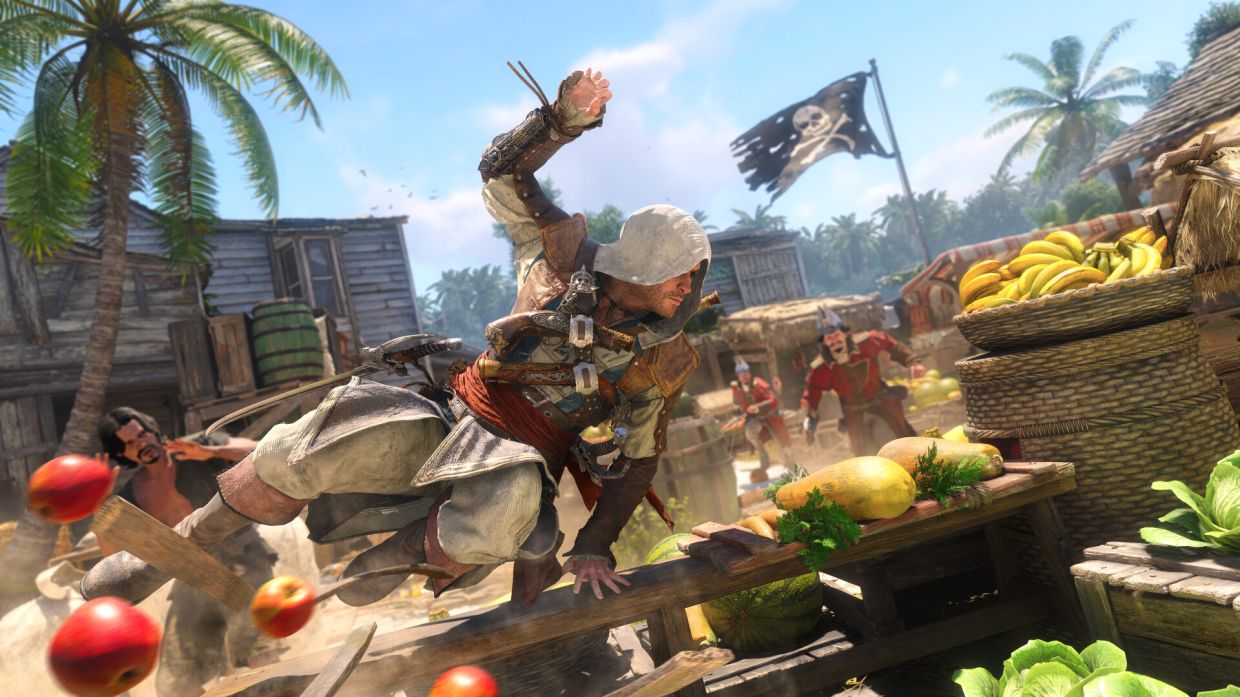
Ubisoft's reimagining of Assassin's Creed Black Flag, retitled Assassin's Creed Remastered, exemplifies this approach. Rather than simply upscaling graphics and calling it finished, the developers fundamentally restructured the experience using Unreal Engine 5 technology. The visual transformation is dramatic—fog and snow effects add atmospheric depth, lighting enhancements create moodiness that draws players into the campaign's world, and the overall presentation achieves the cinematic quality that contemporary audiences expect. Yet the changes extend far beyond cosmetics. The narrative itself underwent rearrangement to emphasise the historical storyline of pirate Edward Kenway while deemphasising the modern-day framing device that had become increasingly burdensome to the franchise.
Gameplay accessibility received careful attention throughout the remake. Multiple control schemes accommodate different player preferences, including an innovative mouse-aiming mode that fundamentally changes how players approach combat encounters. Difficulty settings ensure that players of all skill levels can engage meaningfully with the campaign, whether they seek casual exploration or demanding challenge. The developers populated the experience with additional quests and narrative content, enriching what was already a substantial experience. These augmentations feel organic rather than padded—each element serves the overarching story of building a pirate operation from scratch.
What emerges from this approach is a game that simultaneously honours its source material while interpreting it for contemporary sensibilities. Players who invested hundreds of hours in the original frequently report feeling like they are experiencing the game fresh, discovering new nuances in redesigned systems and narrative beats. This is not mere nostalgia—it represents genuine creative reinterpretation that captures the essence of what made the original work while translating it for a modern audience.
The Star Fox remake demonstrates comparable commitment to substantive reconstruction. The team dismantled the original architecture entirely and rebuilt it from foundational principles using current-generation technology. Modern gameplay mechanics appear throughout—aiming down sights, manual power-up activation that adds strategic depth, and vehicle hijacking sequences that previously only appeared in sequels. The original Star Fox's core identity remains intact, but the experience benefits from decades of subsequent evolution in the action game genre. The atmospheric enhancements and visual fidelity create an experience that feels contemporary without sacrificing the design philosophy that distinguished the classic.
Meanwhile, Halo's transformation showcases how developers can selectively integrate innovations while preserving what players cherished about the originals. Covenant weapons and vehicle hijacking mechanics—features that defined later entries—now enrich the foundational experience. Aiming refinements and modern control responsiveness ensure that gunplay feels satisfying by current standards. The campaign becomes more atmospheric and strategically nuanced without losing the essential qualities that made the original a watershed moment in first-person shooter design.
Critics occasionally invoke the perspective of purists who maintain that original hardware and software represent the only authentic way to experience these games. That position holds some validity from a historical preservation standpoint, but it ultimately misses the broader point. The industry cannot sustain indefinite support for decades-old equipment. Manufacturing costs, electronic component scarcity, and fundamental technological incompatibility make this economically and practically impossible. Original experiences will inevitably become inaccessible to future generations absent thoughtful intervention.
The most helpful analogy comes from literary translation. A skilled translator does not merely substitute foreign words with English equivalents—that approach produces stilted, sometimes incomprehensible results. Instead, a accomplished translator understands the source text's spirit, its emotional resonances and thematic intentions, then reinterprets that vision in the target language. The translation might employ different literary devices, restructure certain passages, even expand sections that felt underdeveloped in the original. The goal is not to replicate mechanically but to achieve equivalence of effect—to enable contemporary readers to experience what the original work meant.
Video game remakes function identically. When developers approach a classic with genuine respect and understanding, they recognize that preserving raw assets and code misses the point. The original hardware limitations that shaped design decisions no longer apply. Contemporary expectations regarding visual presentation, control responsiveness and narrative depth have shifted. Thoughtful remakes acknowledge these realities while maintaining the design fundamentals and emotional core that made the original significant. They serve as bridges between gaming history and gaming's future, ensuring that cherished experiences remain accessible even as the technological substrates that spawned them become archaeological artifacts.
For Malaysian and Southeast Asian gaming communities, these remakes carry particular significance. Access to original hardware and games has often been limited or expensive across the region. Remakes distributed through modern digital platforms with regional pricing and localisation enable broader audiences to engage with gaming history. They represent an opportunity to include players who arrived after the originals' initial release windows. As the industry grapples with questions about digital ownership and long-term access, remakes emerge not as a cynical revenue strategy but as a necessary preservation mechanism—one that simultaneously introduces classics to new generations while honouring what made them memorable.

