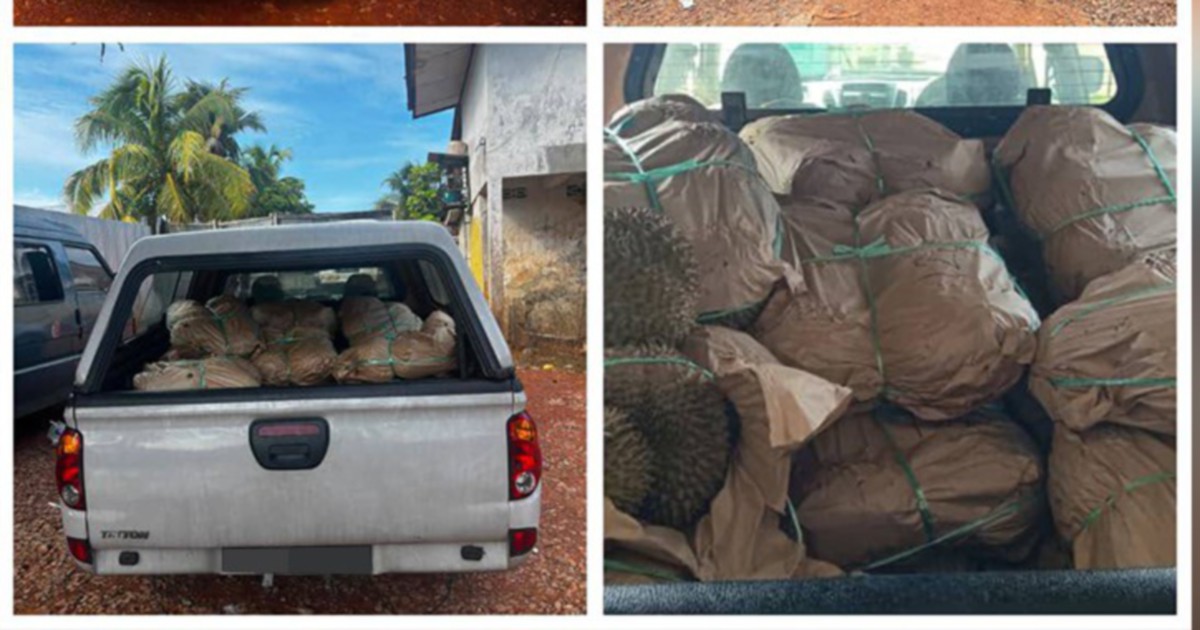
The General Operations Force mounted a significant enforcement operation at an illegal jetty in Rantau Panjang, resulting in the arrest of a 20-year-old man and the confiscation of smuggled durians estimated at RM50,000 in value. The bust at the Abe Li Posmen jetty underscores intensifying efforts to combat illicit cross-border trade that continues to drain Malaysia's agricultural sector of valuable commodities and tax revenue.
Officers recovered 350 kilogrammes of durians during the raid, representing a substantial consignment that authorities believe was destined for illegal distribution networks. The seizure also included a four-wheel-drive vehicle used in the operation, which itself carries a market value exceeding RM50,000. The combined value of the contraband and transport asset demonstrates the scale of investment criminals dedicate to circumventing official channels and customs procedures.
Durian smuggling represents a persistent challenge for Malaysian authorities tasked with protecting domestic agricultural interests and ensuring fair competition for legitimate traders. The tropical fruit commands premium prices across Southeast Asia, creating financial incentives for organised networks operating through unmonitored maritime routes. These illegal operations undermine licensed exporters who comply with regulatory requirements and quality standards, while depriving the government of valuable export duties and agricultural levies.
Rantau Panjang, strategically located along Malaysia's maritime border, has long served as a focal point for contraband activity. The proliferation of illegal jetties in the region facilitates rapid transshipment of goods, allowing smugglers to move cargo with minimal detection risk. The GOF's targeting of the Abe Li Posmen location reflects growing intelligence about clandestine operations concentrated in this area, suggesting authorities are tightening surveillance of known smuggling hubs.
The apprehension of the 20-year-old driver represents part of broader law enforcement strategy addressing lower-tier participants in smuggling networks. While drivers and couriers face arrest and prosecution, the organisational structures directing these operations often remain insulated from direct intervention. Investigators typically seek to build cases extending beyond individual arrests toward identifying coordinators and financial beneficiaries orchestrating cross-border illicit commerce.
Durian trafficking carries broader implications for Malaysia's agricultural export reputation. The proliferation of unregulated, smuggled fruit threatens the integrity of official supply chains and quality assurance frameworks that Malaysian exporters have cultivated internationally. Buyers purchasing legitimately sourced Malaysian durians expect consistency and safety standards; the presence of uncontrolled contraband undermines these competitive advantages and complicates market positioning across regional and international venues.
The vehicle's confiscation highlights the substantial material resources invested in smuggling infrastructure. The four-wheel-drive represents more than mere transport; it reflects capital deployment by criminal networks confident in their operational security. Such assets, when recovered, provide authorities with physical evidence establishing links between specific individuals and contraband movements, often yielding investigative leads into broader smuggling circles.
Cross-border smuggling networks typically operate through cells maintaining operational independence, complicating efforts to dismantle entire organisations through individual arrests. The apprehension of this driver will likely trigger investigation into associates, supply sources, and distribution destinations. Authorities utilise such arrests as entry points into mapping wider networks, potentially uncovering coordination points and decision-making structures that orchestrate repeated smuggling ventures.
The GOF's continued focus on illegal maritime entry points reflects recognition that seaborne routes remain favoured corridors for contraband movement throughout Southeast Asia. Unlike land borders requiring infrastructure and documentation checks, clandestine jetties enable rapid cargo transfers with minimal administrative footprint. The concentration of resources toward these specific vulnerabilities demonstrates prioritisation within enforcement strategies balancing maritime security concerns across multiple jurisdictional interests.
Government agencies face escalating pressures managing agricultural smuggling alongside maritime security, human trafficking, and narcotics interdiction. Durian trafficking, while seemingly minor compared to other illicit commodities, nonetheless represents significant economic leakage and erosion of regulatory frameworks. The visible prosecution of smuggling cases reinforces deterrence messaging while demonstrating governmental commitment to protecting domestic agricultural constituencies and maintaining border integrity.
The incident exemplifies ongoing tensions between Malaysian agricultural producers dependent on international markets and criminal syndicates exploiting regulatory gaps. Legitimate exporters face competition from illicit suppliers circumventing quality controls and taxation, creating unfair market dynamics. Enhanced enforcement operations targeting known smuggling routes and illegal jetties aim to level playing fields, though persistent demand across the region ensures continued smuggling pressures requiring sustained operational vigilance.

