Datuk Yusof Haslam, the producer behind the highly anticipated Gerak Khas 2.0 series, has made the difficult decision to remove an actress from the production after she was arrested on drug-related charges. The move comes just one week after the drama's premiere and reflects the firm stance Skop Production is taking toward maintaining professional standards within its ranks. The decision underscores the complex relationship between the entertainment industry and matters of personal conduct, particularly when projects involving law enforcement narratives are at stake.
The actress in question was detained during a police raid conducted by the Dang Wangi district police headquarters on July 7, during which she tested positive for three different types of controlled substances. The incident triggered an immediate reassessment of her role within the production, ultimately leading to the removal of all her remaining scenes from the final cut. Given that the actress was portraying a police inspector within the narrative structure, the timing and nature of the incident created an untenable situation for the production team.
Despite being at an advanced stage of post-production, the removal process proved feasible because filming had already reached 90% completion by the time of the arrest. With only approximately two weeks of production work remaining when the incident occurred, the production team faced a manageable task in excising the actress's contributions. The actress still had scenes scheduled for episodes 23 and 24 of the 26-episode series, all of which have now been cut entirely. This substantial restructuring necessitated careful editorial decisions about how to rework existing footage and narrative threads.
Yusof's response to the situation emphasised that the production company had no prior knowledge of the actress's involvement with drugs. He stated unequivocally that had the team been aware of any such issues at the outset of casting, they would never have offered her the role in the first place. The producer noted that the actress had previously worked on Skop Productions without incident, making the sudden revelation of her legal troubles particularly jarring. Her previous track record with the company provided no indication of the problems that would eventually emerge.
The firm action taken by Yusof sends a clear message about accountability within his production house. He rejected any appeals or requests for leniency from the actress, telling her bluntly that it was simply too late to reverse the decision. His reasoning was unambiguous: once a person commits a serious mistake of this magnitude, the positive accomplishments and professional contributions made beforehand become overshadowed. This philosophy reflects a broader industry understanding that reputation and integrity cannot be compartmentalised.
Yusof revealed that he had previously issued two separate warnings to the actress, cautioning her against involvement in any activities that might damage the reputation of the drama or reflect poorly on the Royal Malaysia Police. These preliminary interventions demonstrated proactive attempts to maintain professional standards before the situation spiralled out of control. His repeated emphasis on discipline and ethical conduct throughout the production process underscores his commitment to protecting both the creative project and the institution it represents.
The producer used the incident as a teaching moment for the broader cast and crew, stressing the importance of personal discipline and awareness of how individual actions ripple outward. He highlighted that members of the entertainment industry, particularly women, face heightened scrutiny from the public, and that frequenting certain venues such as nightclubs can invite unwanted judgement regardless of personal intentions. His comments reflect the particular pressures faced by Malaysian entertainers, who often operate under societal expectations regarding conduct and comportment.
Yusof acknowledged the inherent limitations of attempting to control the personal behaviour of cast and crew members, comparing it to raising children. He noted that even with the best intentions and repeated warnings, individuals ultimately make their own choices, and those choices can have serious consequences both for themselves and for the projects they are involved with. This pragmatic observation highlights the fundamental powerlessness producers face when entrusted talent makes poor decisions outside the studio.
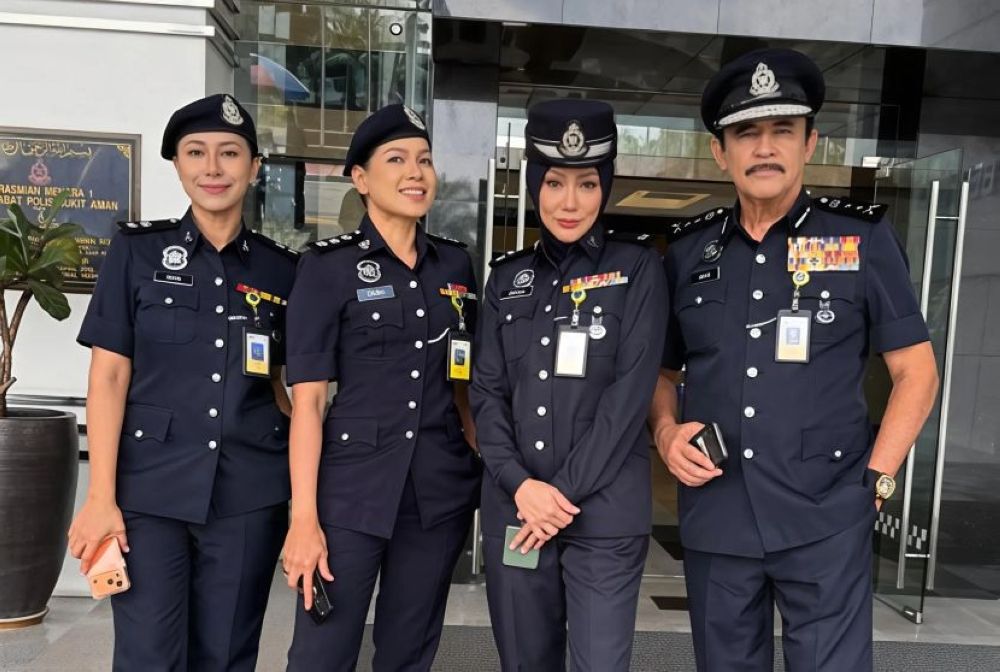
The Gerak Khas 2.0 series features a substantial ensemble cast that includes established names such as Hans Isaac, Erra Fazira, C. Kumaresan, and Salina Saibi. The production had initially lined up three actresses to portray police inspectors: Tisha Shamsir, Nabiha Aimi, and Emily Elizabeth. The loss of one of these lead characters represents a significant setback, though the advanced state of production means the damage, while notable, remains containable.
For Malaysian viewers, the incident raises important questions about the intersection of personal accountability and professional consequences in the entertainment sector. The case demonstrates that in an industry increasingly conscious of its social responsibility, particularly when depicting law enforcement, producers will not hesitate to make difficult decisions to protect their projects and preserve public trust. Gerak Khas 2.0, as a successor to an iconic franchise, carries particular weight in terms of representing both the entertainment industry and the institution of the police force itself.
The decision also reflects broader conversations within Southeast Asian media production about standards, accountability, and the responsibilities that come with being a public figure. As the region's entertainment industries continue to mature and attract international attention, the expectations placed on cast members regarding personal conduct appear to be increasing rather than diminishing. This incident may well influence how other production houses approach similar situations in the future.

