Authorities in Germany have initiated a sweeping investigative operation targeting the Deutscher Fußball-Bund (DFB), the country's governing body for soccer, amid mounting concerns over improper ticket allocation procedures surrounding last year's Euro 2024 championship. The coordinated raids, which took place across multiple sites throughout the nation, represent a significant development in an ongoing probe into potential irregularities in how tickets were distributed for matches held during the major international tournament.
According to reporting by Bild, the prestigious German newspaper, the investigation targets suspected violations in the ticket allocation system that governed access to Euro 2024 events. While official statements from law enforcement and prosecutorial authorities confirmed that searches were being conducted at several locations across Germany, these statements did not explicitly reference the DFB's headquarters as a target, though media reports indicate the association's offices were indeed included in the operation.
The inquiry extends beyond German nationals, with investigators examining the activities of individuals from multiple countries in connection with the alleged irregularities. A German national and a French national are among those under investigation, according to accounts provided by Bild. This international dimension to the probe suggests that the suspected ticket violations may have involved coordination across borders or the participation of foreign actors in any alleged scheme to circumvent proper distribution procedures.
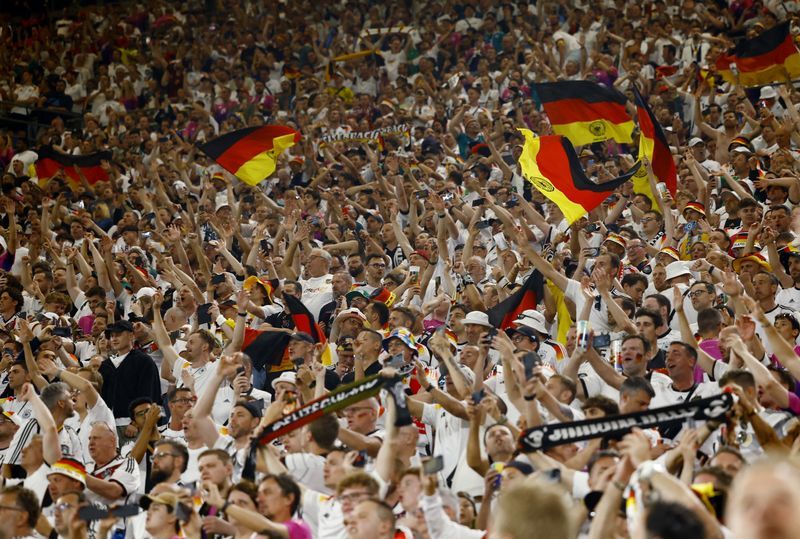
The Euro 2024 tournament, held in Germany, was a showcase event for the host nation and one of the most significant sporting competitions on the international calendar. The championships attract hundreds of thousands of spectators and generate substantial revenue through ticket sales. The integrity of the ticket allocation process is therefore crucial to both the sporting integrity of the event and the financial interests of organizing bodies. Any systematic deviation from established procedures could raise questions about fair access for supporters and the proper handling of public resources involved in organizing a major tournament.
Ticket allocation for major sporting events has become an increasingly sensitive issue in recent years. Across Europe, concerns have grown regarding how tickets are distributed, with particular scrutiny on whether allocation systems favour certain parties or allow for manipulation that benefits connected individuals or organizations. The investigation into the DFB's handling of Euro 2024 tickets falls within this broader context of heightened oversight of ticket distribution practices at major events.
For Malaysian and Southeast Asian readers, this development carries relevance beyond German domestic politics. The scrutiny applied to major sporting organizations in Europe reflects global standards of governance and transparency that are increasingly expected of international sports bodies. The investigation demonstrates how European regulatory authorities maintain oversight of major events and their organizing institutions, a model that influences standards and expectations across the international sporting community where Malaysian teams and athletes compete.
The DFB, as one of Europe's most prominent soccer associations, plays an influential role in continental soccer governance through its participation in European football structures. How German authorities handle investigations into the association's conduct may set precedents for how other nations and international bodies approach similar concerns. The outcome of this inquiry could shape future protocols for ticket allocation at major tournaments, affecting how events are organized across Europe and potentially influencing practices adopted elsewhere.
The fact that investigators felt compelled to conduct simultaneous raids at multiple locations, including the headquarters of one of the continent's most respected sports institutions, underscores the seriousness with which German authorities are treating the allegations. Such coordinated action typically indicates either substantial evidence of wrongdoing or at minimum, sufficient grounds for investigators to believe that documentary evidence or other materials at these locations could be material to the case.
The timing of these searches, occurring in the months following the completion of Euro 2024, suggests that investigations took considerable time to develop before reaching the stage where authorities felt confident enough to execute search warrants. This pattern is common in complex investigations involving organizational structures and multiple individuals, where building a comprehensive understanding of alleged conduct requires extensive preliminary work before enforcement action is taken.
For the DFB specifically, the raid represents a significant reputational challenge at a moment when the association is typically focused on managing its national team and other ongoing responsibilities. The organization will likely face questions about its internal controls and oversight mechanisms, particularly regarding how tickets for major events are allocated and monitored. Transparency in response to the investigation could become important for maintaining public confidence in the association's governance.
The investigation also highlights the broader tension between the commercial realities of modern soccer and the traditional emphasis on fair access for supporters. As tournaments become increasingly profitable and tickets more valuable, the temptation for actors within organizing bodies to benefit from their position grows correspondingly, making robust oversight mechanisms essential.

