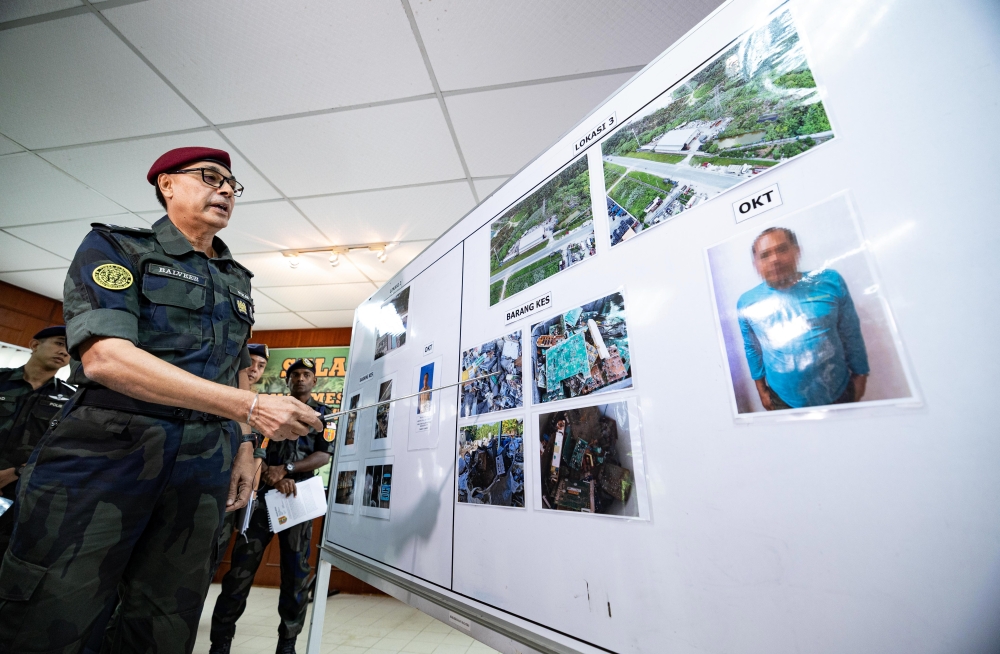
The General Operations Force Northern Brigade has disrupted a significant illegal e-waste trafficking network in Ipoh, confiscating 120,220 kilogrammes of contraband electronic refuse estimated at RM9.39 million during coordinated enforcement raids. The operation resulted in the arrest of 14 individuals suspected of orchestrating the importation and distribution of hazardous electronic materials, marking a substantial victory in Malaysia's ongoing fight against environmental crime and transnational smuggling.
The seized cache consisted primarily of discarded computer equipment, mobile phone components, circuit boards, and other electrical devices that had been illegally imported into Malaysia, likely destined for informal processing operations that lack proper environmental safeguards. Electronic waste represents one of the fastest-growing waste streams globally, and its illicit transboundary movement poses severe health and environmental risks, particularly in developing nations where enforcement capacity remains limited. The volume recovered in the Ipoh operation underscores how Malaysia continues to serve as a regional transshipment hub for prohibited waste destined for final disposal across Southeast Asia.
The timing of this enforcement action reflects intensifying pressure from federal authorities to combat illegal dumping networks that have proliferated across northern Malaysian states. Industrial zones in Perak, including areas surrounding Ipoh, have historically attracted smuggling syndicates due to loose monitoring and proximity to major ports. These criminal networks exploit Malaysia's geographical position and relatively porous supply chains to channel banned waste materials through the country, generating substantial profits while circumventing international waste protocols and environmental agreements.
Electronic waste contains toxic substances including lead, mercury, cadmium, and brominated flame retardants that leach into soil and water when processed through unregulated channels. Informal recycling operations, typically located in residential areas or industrial estates with minimal supervision, expose workers and nearby communities to carcinogenic materials and respiratory hazards. Malaysia's ratification of the Basel Convention, which restricts hazardous waste shipments between nations, creates a legal framework for enforcement, yet the sophistication of smuggling methods continues to challenge border and inland authorities.
The 14 individuals detained during these Ipoh operations face investigation under relevant environmental protection statutes and customs legislation. Investigators are examining the supply chain structure, identifying source countries where the waste originated and tracing downstream recipients who intended to process or redistribute the materials. Such network dismantling operations typically reveal layers of involvement, from port operatives and logistics coordinators to site operators and final processors, each profiting from different segments of the illegal trade.
This crackdown aligns with regional environmental enforcement initiatives coordinated through ASEAN frameworks and bilateral agreements addressing transboundary waste movement. Southeast Asia has become a focal point for international concern regarding illegal e-waste imports following the closure of disposal routes through China and stricter enforcement in developed nations. Countries including Malaysia, Vietnam, Thailand, and Indonesia have collectively experienced surges in seized contraband shipments as criminal enterprises adapt their routing and concealment tactics.
The financial valuation of RM9.39 million reflects not only the weight of materials but also their composition—particularly items containing precious metals like gold, silver, and copper that incentivize extraction through hazardous informal recycling. This economic dimension explains the resilience of smuggling networks; profits from a single operation can exceed the operational costs of enforcement agencies, creating asymmetric incentives that perpetuate criminal activity despite growing regulatory oversight.
Local environmental groups have welcomed the GOF operation as evidence of strengthened political will to address pollution that disproportionately affects northern Malaysian communities. Air quality degradation, soil contamination, and water system pollution linked to unregulated waste processing have emerged as persistent public health concerns in industrial corridors near Ipoh and Kuala Lumpur. Enforcement actions targeting supply chain nodes potentially disrupt operations that contribute to these cumulative environmental pressures.
Looking forward, authorities are considering enhanced port surveillance technologies, intelligence cooperation with customs counterparts in neighboring countries, and community reporting mechanisms to identify suspected illegal waste facilities before materials enter processing streams. The investigation's findings will likely inform policy discussions regarding Malaysia's capacity to manage domestically-generated e-waste sustainably while reinforcing national and regional commitments to preventing hazardous material trafficking. As consumer electronics proliferation accelerates across Southeast Asia, developing circular economy systems and formal recycling infrastructure emerges as an increasingly urgent priority to displace illicit waste markets.

