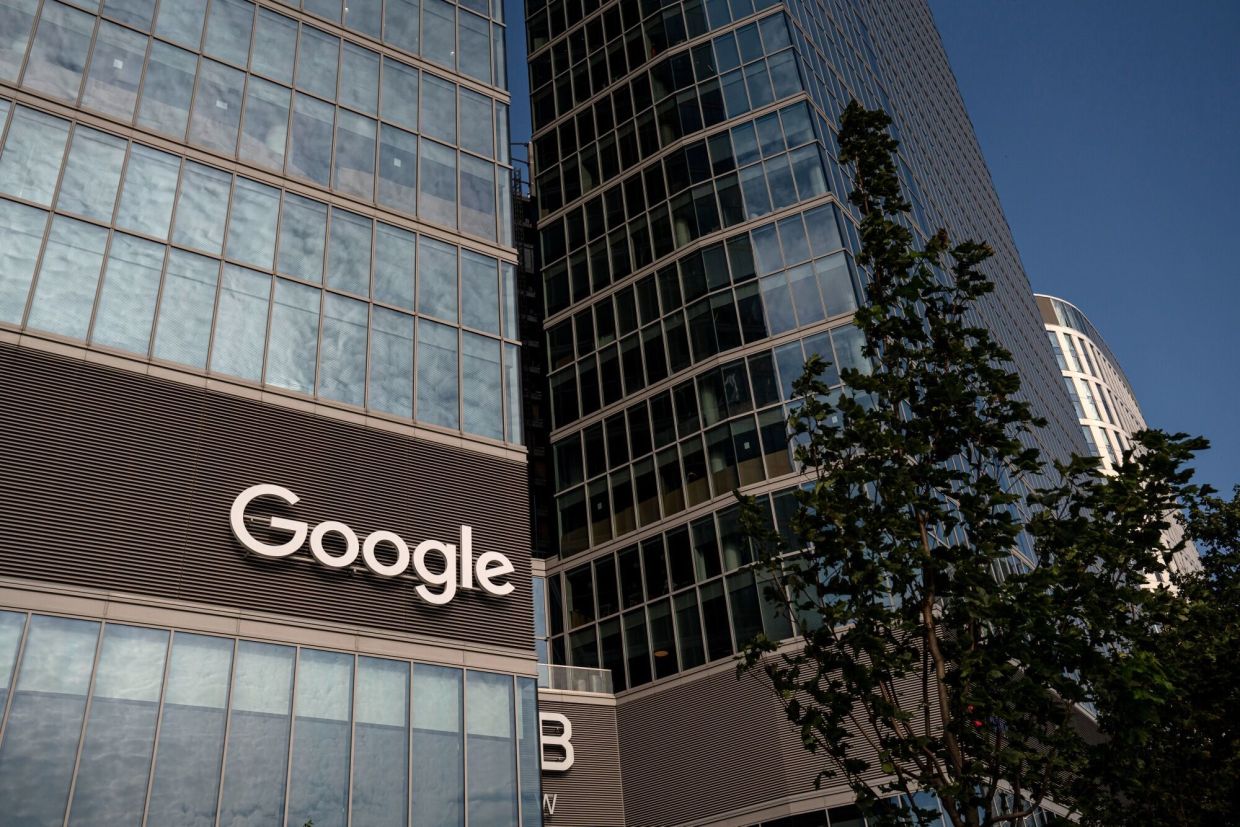
Google's artificial intelligence division has found itself in an awkward position: the company aggressively markets its AI-powered recruitment tools to corporate clients as efficient screening mechanisms, yet some of its own researchers have lost confidence in those very systems. This contradiction highlights growing concerns about the reliability and fairness of automated hiring technologies increasingly deployed across industries globally.
The AGI Safety and Alignment Team within Google DeepMind, which focuses on managing risks associated with powerful artificial intelligence systems, recently advised job applicants to complete a supplementary form when applying for positions within the division. According to an internal document obtained by Bloomberg, the team explicitly acknowledged that their own company's recruitment filters carry "a non-trivial probability" of incorrectly screening out candidates or significantly delaying application processing. The advisory instructed applicants that submitting this form would guarantee that a human team member would personally review their submission, effectively circumventing the automated systems entirely.
This candid admission raises uncomfortable questions about the authenticity of Google's commercial pitches regarding AI recruitment solutions. The company's Workspace division markets AI capabilities to business clients as tools for "saving HR time by quickly creating drafts for job postings, evaluating resumes, and forecasting hiring needs." The disconnect between what Google publicly endorses to customers and what its own safety researchers deem reliable reveals the gap between marketing narratives and technical reality in the rapidly commercialising field of HR technology.
When questioned about the contradiction, a Google DeepMind spokesperson maintained that the company's systems function as intended and do not filter applicants incorrectly. The official response suggested instead that the special form was simply an additional pathway for candidates to "get direct to the people on the team," rather than an admission of systemic failure. However, this explanation somewhat diminishes the team's original warning, which framed the filters as fundamentally unreliable for their intended purpose.
The broader debate surrounding AI in hiring reflects legitimate anxieties across the employment sector. Organisations worldwide have begun integrating artificial intelligence into recruitment workflows with varying degrees of sophistication—some deploy algorithms to rank candidates numerically, while others use text-scanning systems to identify specific keywords or qualifications. The absence of standardised oversight or transparency means hiring managers and job seekers often remain unaware of how these systems actually function or whether they introduce bias.
Evidence of discriminatory outcomes in AI hiring systems continues to mount. A Bloomberg investigation revealed that OpenAI's ChatGPT model demonstrated measurable bias based on applicants' names, suggesting that surname-related discrimination—long a concern in manual hiring—can be embedded into algorithmic decision-making. More significantly, workplace software provider Workday Inc faces active litigation alleging that its AI hiring systems systematically screen out candidates based on race, age, and disability status, contrary to anti-discrimination employment law. Workday has denied these allegations, insisting that human recruiters retain final decision-making authority, though the company declined to provide additional comment on the matter.
The concerns articulated by Google's own researchers extend beyond accuracy and fairness to encompass the broader cultural implications of algorithmic hiring. Within the document urging candidates to bypass automated screening, the team included advice cautioning applicants against relying on large language models to craft their applications. The advisory noted that human reviewers "get really tired of reading LLM answers, because they all sound very samey"—suggesting that the proliferation of AI-generated application materials has created a recognisable homogeneity that undermines the goal of identifying genuinely distinctive candidates.
Simultaneously, sophisticated job seekers have begun exploiting AI recruitment filters as opportunities rather than obstacles. Some applicants now use automation tools to submit far greater numbers of applications in the same timeframe, effectively gaming systems designed to filter efficiently. Others employ AI writing tools to craft résumés and cover letters optimised for algorithmic scanning, identifying keywords and formatting patterns likely to trigger automated approval. This arms race between filtering algorithms and applicant-side gaming strategies suggests that AI-mediated hiring may ultimately disadvantage candidates without access to equivalent technology or expertise.
The situation at Google DeepMind encapsulates a fundamental tension within the technology industry itself. The researchers who understand AI systems most deeply—and who are acutely focused on identifying potential harms—appear to have concluded that deploying these systems for high-stakes decisions like hiring presents unacceptable risks of error and bias. Yet the commercial incentives driving product development and marketing often override such cautions, particularly when corporate clients perceive efficiency gains and cost savings.
For Malaysian and Southeast Asian employers considering adoption of similar AI hiring tools, the Google case study suggests the need for considerable scepticism. The region's labour market remains deeply influenced by informal networks and personal relationships, yet increasing pressure to digitise and standardise hiring processes may push organisations toward algorithmic systems without sufficient local adaptation or validation. The risk of inadvertently embedding bias—whether against particular surnames, educational institutions, or other regional markers—requires careful scrutiny before implementation.
Furthermore, the regulatory environment remains underdeveloped. Unlike some European jurisdictions, which have begun establishing explicit requirements for AI transparency and impact assessments in recruitment, Malaysia and neighbouring countries lack comprehensive frameworks governing algorithmic hiring. The Google DeepMind experience demonstrates that internal warnings and acknowledging flaws, while commendable, do nothing to protect job seekers using systems that organisations have not transparently disclosed as unreliable.
Ultimately, the episode underscores that technological sophistication does not automatically translate to ethical implementation. Even at one of the world's most advanced AI research institutions, the tension between commercial product development and safety consciousness remains unresolved. Until hiring algorithms are subjected to rigorous independent audit, transparent validation, and meaningful regulatory oversight, job seekers across Asia and globally may be well-advised to treat AI-mediated hiring systems with the same caution that Google's own researchers have begun to display.

