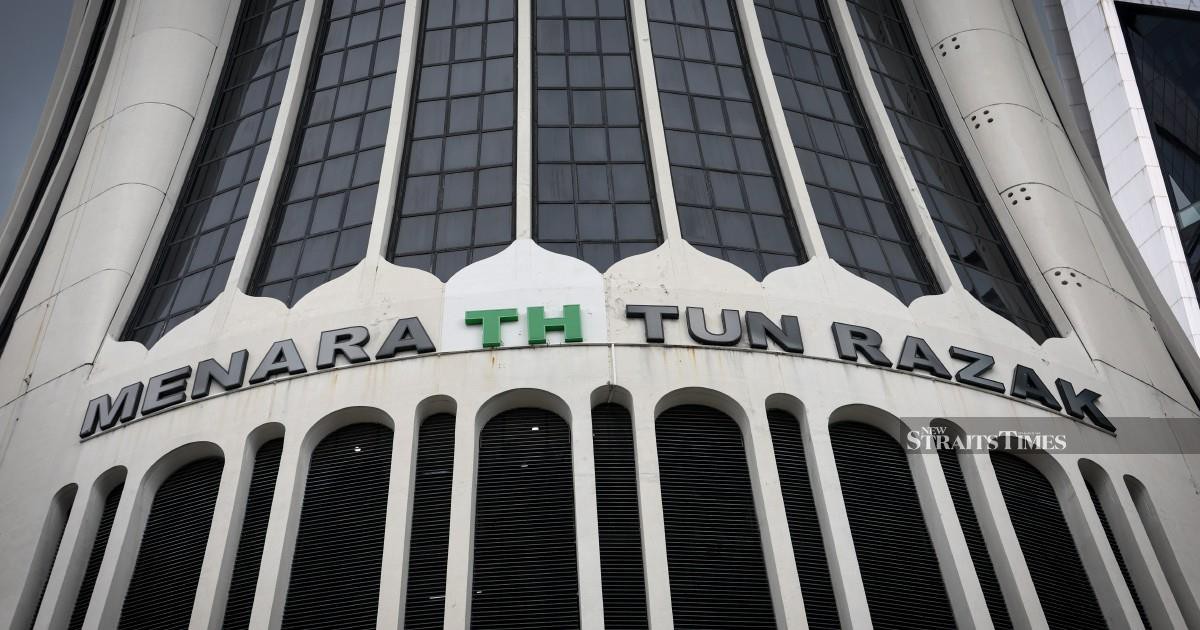
An anti-corruption watchdog has demanded urgent scrutiny of Malaysia's audit watchdog following discovery of a substantial RM4.8 billion variance in financial records for Lembaga Tabung Haji. The divergence between findings released by the Royal Commission of Inquiry and reports submitted by the National Audit Department has triggered concerns about the rigour and independence of financial oversight mechanisms governing one of the country's most significant state-linked funds.
The magnitude of the discrepancy raises fundamental questions about how such a significant gap could exist between two ostensibly rigorous investigations into the same institution. Tabung Haji, which manages over RM70 billion in funds held in trust for approximately 8.8 million Malaysian Muslims saving for hajj pilgrimages, represents one of the nation's largest financial repositories. Any irregularity affecting its accounts carries implications not only for individual account holders but for public confidence in institutional stewardship of faith-based financial assets.
C4, Malaysia's prominent civil society organisation focused on anti-corruption advocacy, contends that the variance warrants comprehensive institutional examination. The watchdog's position reflects growing apprehension that current audit procedures may lack sufficient depth, independence, or accountability mechanisms to detect or prevent financial discrepancies at major state institutions. Such concerns extend beyond Tabung Haji itself, potentially affecting public perception of how thoroughly government-linked entities undergo financial scrutiny.
The National Audit Department, as Malaysia's supreme audit institution, bears responsibility for conducting independent examinations of government agencies and entities receiving public funds or operating under government authority. Its credibility depends upon producing accurate, comprehensive assessments that provide Parliament and the public with reliable financial information. When significant variances emerge between its reports and those of independent commissions of inquiry, the department's methodology and effectiveness inevitably come under question.
The Royal Commission of Inquiry was established to conduct a thorough investigation into Tabung Haji's governance, management practices, and financial integrity following various controversies surrounding the fund's operations and investment decisions. Such independent inquiries typically employ investigative resources specifically mobilised for detailed examination of particular institutions. The emergence of material differences between RCI findings and departmental audit reports suggests either that the audit department's regular examination processes require enhancement, or that alternative investigative approaches can reveal issues that standard audit procedures may overlook.
For Malaysian investors and account holders, the situation underscores the importance of transparent financial reporting and independent verification. Tabung Haji depositors entrust their savings to the institution based on assumptions of prudent management and accurate financial accounting. Discovering substantial gaps in reported figures can undermine confidence, particularly when such discrepancies remain unexplained or when institutional responsibility for resolving them remains unclear.
The broader implications extend to Malaysia's regulatory architecture for government-linked entities. The country hosts numerous significant institutions managing public assets, from sovereign wealth funds to pension schemes and development finance institutions. If audit procedures applicable to Tabung Haji prove inadequate for detecting major discrepancies, similar vulnerabilities may exist elsewhere in the ecosystem. Strengthening the National Audit Department's capacity, methodology, and independence could therefore benefit financial oversight across multiple sectors.
C4's call for departmental review aligns with international best practices in public sector audit. Most developed nations have recently invested in upgrading supreme audit institution capabilities, recognising that complex modern financial systems and sophisticated asset management strategies require correspondingly advanced audit frameworks. Malaysia's audit department may benefit from examining technological capabilities, investigative expertise, and structural independence arrangements employed by counterpart organisations in comparable jurisdictions.
The discrepancy also highlights the potential value of multiple independent oversight layers. While the National Audit Department serves as the primary audit institution, the existence of Royal Commissions of Inquiry as supplementary investigative mechanisms can uncover issues through different methodologies and investigative approaches. Rather than viewing this as institutional redundancy, policymakers might consider how such parallel investigations can be coordinated more effectively to prevent major financial irregularities from remaining undetected.
Resolving the specific RM4.8 billion variance requires detailed technical explanation from both institutions. The gap could theoretically result from different accounting methodologies, varying treatment of specific asset categories, different time periods covered by respective reports, or genuine financial discrepancies requiring correction. Public disclosure of the precise nature and causes of the variance would substantially improve transparency and public understanding.
Moving forward, C4's recommendations deserve serious consideration from parliamentary oversight committees and relevant government agencies. Strengthening Malaysia's audit infrastructure protects not only individual depositors but the country's broader financial integrity. Enhanced audit capabilities, clearer accountability frameworks, and stronger independence protections for the National Audit Department would reinforce public confidence in governance of major state institutions and contribute to Malaysia's reputation for financial stewardship in an increasingly scrutinising global environment.

