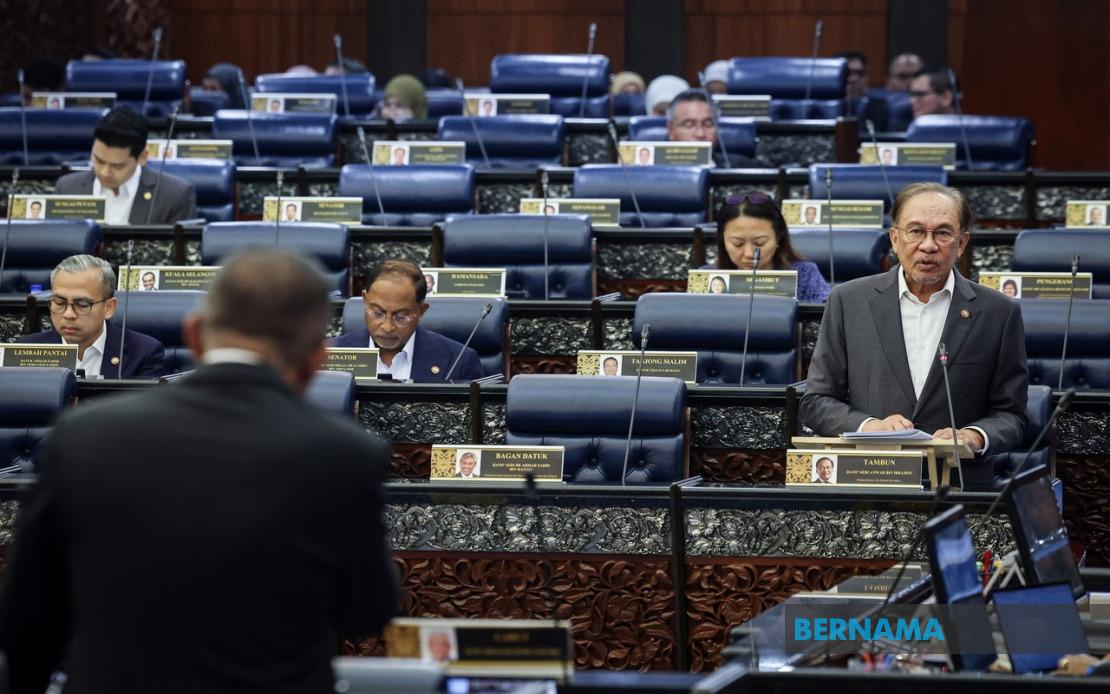
The Malaysian government has greenlit RM4.9 billion in financing approvals for over 6,000 micro, small and medium enterprises in the opening six months of 2026, Prime Minister Datuk Seri Anwar Ibrahim disclosed during parliamentary proceedings. The announcement underscores the administration's strategic focus on bolstering the MSME sector, which remains a cornerstone of the nation's economic resilience and employment generation, particularly as businesses navigate ongoing global uncertainties.
The Syarikat Jaminan Pembiayaan Perniagaan (SJPP), a wholly owned subsidiary of the Ministry of Finance, executed these approvals as part of a comprehensive initiative designed to dismantle financing barriers that frequently impede business growth among smaller operators. Speaking in response to a parliamentary query from Lee Chuan How, the Ipoh Timor representative from Pakatan Harapan, Anwar stressed that widening access to capital remains fundamental to sustaining enterprises across Malaysia's diverse business landscape.
As both Prime Minister and Finance Minister, Anwar framed the SJPP approvals within a broader policy architecture aimed at tackling persistent cost pressures while maintaining operational continuity for vulnerable businesses. The government recognises that capital constraints remain a structural impediment for many entrepreneurs, particularly those operating in competitive sectors or facing seasonal cash flow challenges. By funnelling nearly RM5 billion through guarantee mechanisms, authorities are attempting to reduce lending friction and encourage financial institutions to extend credit to borrowers who might otherwise face prohibitive risk assessments.
The RM4.9 billion figure represents only a portion of the government's aggregate financing support infrastructure. Anwar revealed that total loan and financing guarantee packages extended to the MSME ecosystem have exceeded RM15 billion, signalling substantial state intervention in credit markets. This cumulative commitment demonstrates a deliberate policy choice to deploy public resources toward preventing business failures and supporting employment preservation, an approach increasingly vital as manufacturing and services sectors confront trade volatility and shifting supply chains.
Among the RM15 billion total, the government has reserved RM5 billion exclusively for Bumiputera enterprises, reflecting constitutional commitments and affirmative economic policies embedded in Malaysia's governance framework. This allocation recognises that Bumiputera-owned businesses frequently encounter additional structural barriers when accessing mainstream credit markets, and targeted support aims to narrow wealth creation gaps across ethnic communities. The ring-fenced allocation also signals that policymakers view Bumiputera MSME development as inseparable from broader national economic objectives.
The parliamentary disclosure arrives amid heightened sensitivity to business sector anxieties regarding macroeconomic headwinds. Global interest rate trajectories, currency fluctuations, and commodity price volatility have created genuine hardship for importers, exporters, and domestic manufacturers dependent on volatile input costs. Entrepreneurs queried whether the MADANI government possessed adequate awareness of these pressures and possessed credible mitigation strategies. Anwar's response through concrete financing figures attempted to reassure parliament and stakeholders that the administration was actively engaged in countercyclical measures rather than passive observation.
For Malaysian MSMEs and their stakeholders, the financing availability carries immediate relevance. Working capital—the lifeblood of operational continuity—frequently becomes constrained during economic slowdowns as banks tighten underwriting standards. Government-backed guarantee schemes through SJPP reduce perceived credit risk, enabling financial intermediaries to deploy capital toward borrowers whose collateral or payment histories might ordinarily trigger rejection. This mechanism transforms public policy into tangible business capacity, allowing entrepreneurs to maintain inventory, meet payroll obligations, and sustain market positions during cyclical downturns.
The SJPP structure itself warrants consideration for regional observers. As a Finance Ministry subsidiary, the entity functions as a state-directed credit allocation instrument, channelling capital toward priority sectors and demographics. Unlike purely market-driven lending, guarantee frameworks embed policy preferences directly into credit distribution, potentially favouring certain regions, industries, or business categories. The concentration of approvals across 6,000 entities suggests that SJPP operates at significant scale, yet actual approval rates and rejection patterns remain undisclosed, limiting assessment of true financing accessibility.
Parliamentary accountability mechanisms, demonstrated through structured question time, provide transparency regarding executive financing commitments. By requiring ministers to articulate specific funding volumes and recipient demographics, legislators maintain oversight of credit allocation decisions that carry employment and welfare implications. The parliamentary forum also enables backbench representatives to signal constituent concerns, ensuring that development policy remains responsive to grassroots business realities rather than reflecting only technocratic preferences.
Looking forward, sustained MSME financing availability depends on maintaining SJPP operational effectiveness and ensuring that guarantee mechanisms incentivise genuine lending rather than creating moral hazard or enabling non-performing loan accumulation. As the scheme expands, monitoring default rates and ensuring that approved capital reaches genuinely productive enterprises rather than facilitating speculative ventures becomes increasingly important. The government's willingness to deploy RM15 billion in aggregate support demonstrates policy commitment, yet genuine success hinges on whether deployed capital catalyses sustainable business expansion and employment retention across the Malaysian economy.

