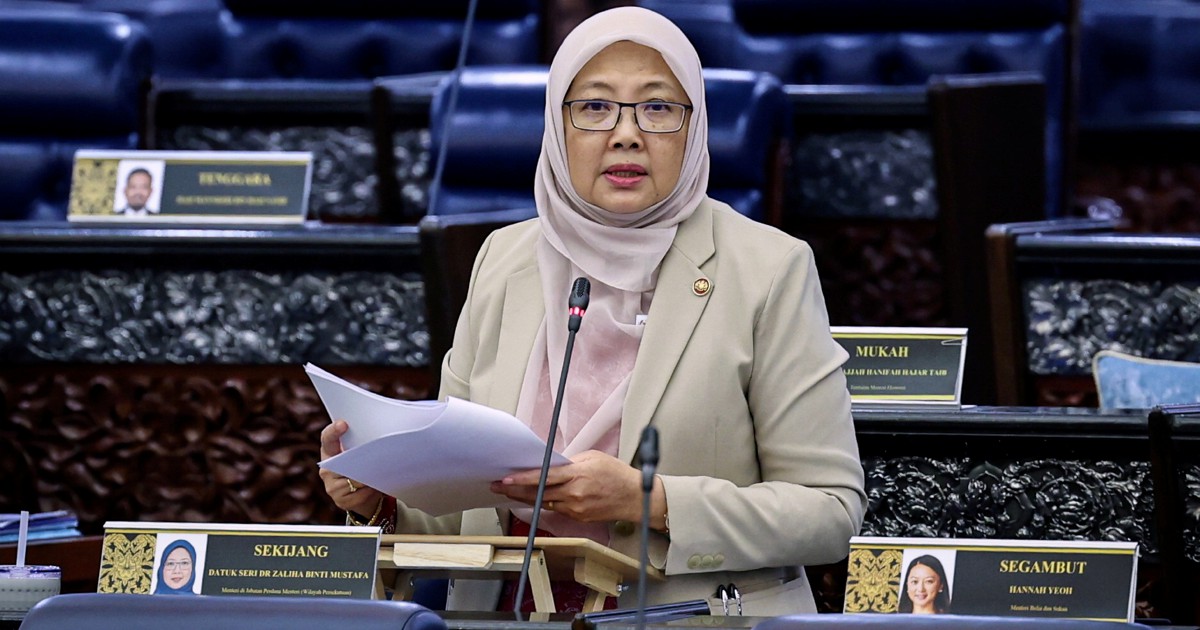
Datuk Dr Zaliha Mustafa, chairman of the Government Backbenchers Club, has publicly criticised Perikatan Nasional MPs for abandoning parliament during today's special sitting devoted to debating the Royal Commission of Inquiry report into Tabung Haji's operations and governance lapses. The walkout, which occurred as lawmakers examined the findings of the independent commission established to investigate mismanagement at Malaysia's pilgrimage fund, has drawn sharp rebuke from government benches for what critics view as an abdication of parliamentary responsibility during a session of national importance.
The Royal Commission of Inquiry into Lembaga Tabung Haji represents a significant institutional response to longstanding public concerns about the stewardship of funds entrusted to the organisation by millions of Malaysian Muslim savers over decades. The inquiry's mandate extended to examining governance failures, investment decisions, and management practices that have raised questions about the safety and growth of pilgrimage savings held in trust. The special parliamentary sitting was convened to allow lawmakers to formally debate and discuss the commission's findings in a plenary forum, providing an opportunity for both government and opposition benches to scrutinise the inquiry's conclusions and recommendations for systemic reform.
Zaliha's condemnation highlights underlying tensions within Malaysia's current parliamentary coalition architecture. The Government Backbenchers Club, which represents rank-and-file MPs supporting the Anwar Ibrahim administration, has increasingly voiced frustration with obstructionist tactics from opposition benches. By staging a coordinated departure during substantive debate on a matter affecting millions of Malaysian households, Perikatan Nasional MPs risked appearing indifferent to the serious governance concerns at the heart of the RCI report, according to government supporters who argue that parliamentary attendance and active participation constitute fundamental duties of elected representatives.
Tabung Haji occupies a unique position within Malaysia's financial landscape as a state-owned institution entrusted with protecting the savings of ordinary Malaysians preparing for the Islamic pilgrimage to Mecca. The fund manages contributions from approximately three million account holders and holds assets worth billions of ringgit. Any governance failures or mismanagement at the institution carry profound implications for the financial security of individual savers and their families, making the RCI's investigation and parliament's subsequent debate matters of direct public concern rather than abstract political theatrics.
The decision by opposition MPs to walk out during the parliamentary sitting may reflect broader strategic calculations within the opposition coalition, though Perikatan Nasional has not yet issued formal statements explaining the motivation behind the departure. Historically, parliamentary walkouts serve various tactical purposes: they may signal disapproval of government handling of an issue, protest against perceived procedural irregularities, or demonstrate party discipline by withdrawing from proceedings deemed unfavourable to opposition interests. However, critics argue that such tactics diminish parliament's institutional credibility and deprive the public of comprehensive opposition scrutiny of government policies and institutional performance.
The timing of the Tabung Haji RCI debate carries additional weight given the broader context of Malaysian public discourse around institutional accountability and financial stewardship. Recent years have witnessed growing public demand for transparency and robust investigation into governance failures across government-linked organisations. The establishment of the royal commission itself reflected executive acknowledgment that independent inquiry into the pilgrim fund's management was essential to restore public confidence. Against this backdrop, opposition participation in parliamentary debate surrounding RCI findings might reasonably be considered an obligation to the constituents these MPs represent, many of whom depend on Tabung Haji for their pilgrimage savings.
Zaliha's public criticism reflects broader strains within Malaysia's coalition politics as the government coalition consolidates parliamentary dominance while opposition unity remains fragmented across competing political entities and regional interests. The Perikatan Nasional coalition, comprising the Islamist PAS party, the Malay-nationalist UMNO, and smaller regional partners, has struggled to articulate a coherent alternative vision to government policies. Parliamentary walkouts, while visible demonstrations of opposition, offer limited substantive alternatives to voters seeking clarity about how opposition parties would address institutional failures documented in RCI investigations.
For Malaysian citizens with savings in Tabung Haji, the parliamentary debate represents an opportunity to hold elected representatives accountable for addressing governance lapses and protecting pilgrimage funds. The RCI report presumably contains specific findings and recommendations intended to guide future policy decisions and institutional reforms. Comprehensive parliamentary debate allowing both government and opposition contributions would theoretically produce more robust legislative and executive responses than a session diminished by opposition absence. The walkout therefore signifies not merely a procedural dispute but potentially a missed opportunity to ensure that parliament fulfils its constitutional function of scrutinising executive action and institutional performance on behalf of the Malaysian public.
Moving forward, the government's ability to enact meaningful reforms flowing from the RCI findings may depend partly on demonstrating cross-party commitment to strengthening Tabung Haji's governance architecture. While government MPs command parliamentary majorities, opposition participation in reform deliberations would enhance the perceived legitimacy and durability of any institutional changes introduced. Zaliha's vocal criticism of the PN walkout suggests the government coalition views opposition engagement as both a marker of institutional seriousness and a political necessity for framing responses to the RCI findings as matters of national rather than partisan interest.

