The Malaysian government has committed more than RM12 million in funding to strengthen institutional support and educational access within the Indian community, addressing longstanding gaps in early childhood development and religious facility capacity-building. The allocation, distributed through the Malaysian Indian Community Transformation Unit (MITRA), represents a significant expansion of targeted assistance programmes designed to benefit lower-income families and community organisations across the country.
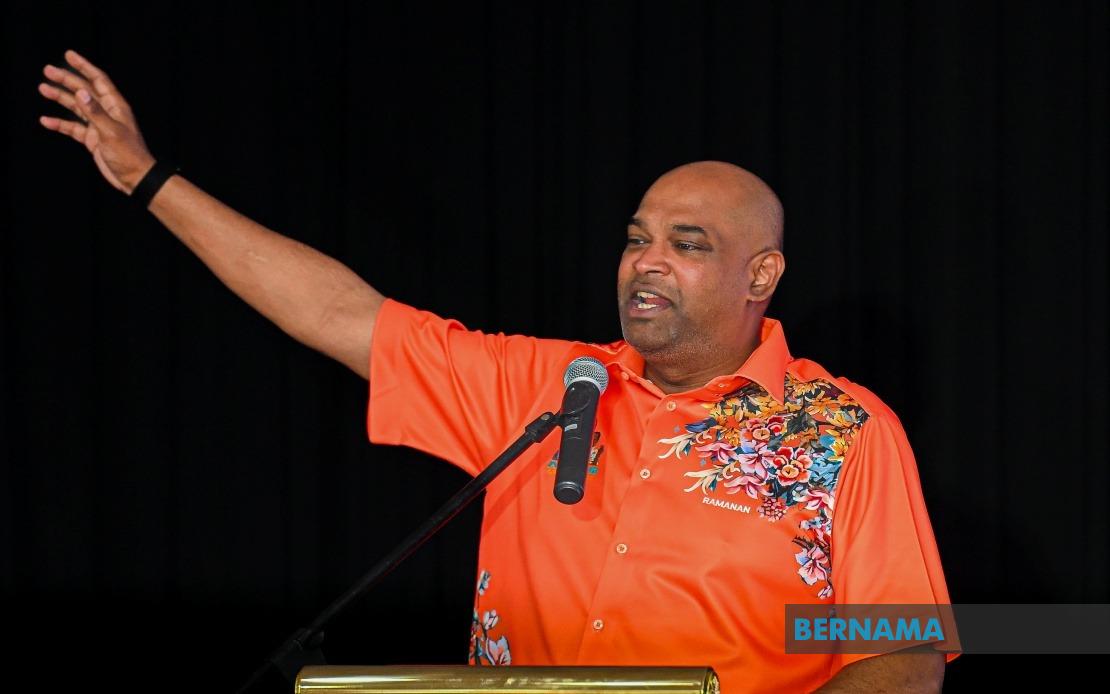
Human Resources Minister Datuk Seri R. Ramanan outlined the funding breakdown during an event in Seremban, detailing how approximately RM8.87 million has been directed toward the Early Education Subsidy Assistance Programme (Celik MADANI) 2026. This educational initiative spans 162 kindergartens nationwide and directly supports 3,612 Indian children from B40 (bottom 40 percent income) households, ensuring that financial barriers do not prevent access to foundational learning years. The remaining RM3.36 million has been allocated to the Third Series of the Dharma MADANI Programme, which provides support to 168 Hindu houses of worship across Malaysia.
The Dharma MADANI allocation represents the third disbursement under this ongoing initiative, bringing the cumulative funding for temple support to RM12.54 million involving 627 Hindu institutions nationwide. Each participating temple receives RM20,000 to organise community-oriented programmes that extend beyond traditional religious functions, enabling these institutions to serve broader social and developmental roles within their localities. This approach recognises temples as cultural anchors and community hubs capable of delivering educational, social, and welfare services to constituents.
The initiative reflects a policy framework that emphasises institutional empowerment as a pathway to community transformation. By strengthening early education infrastructure within Indian communities, the government aims to improve human capital development and create pathways for intergenerational economic mobility. The targeting of B40 families in the Celik MADANI 2026 programme directly addresses the persistent challenge of educational inequality, where economic constraints often limit disadvantaged children's exposure to quality pre-school learning environments.
The South Zone distribution event, held at Wisma Ceylonese and attended by Transport Minister and Seremban Member of Parliament Anthony Loke, saw 48 temples and 45 kindergartens from Melaka, Negeri Sembilan, and Johor receive allocations totalling approximately RM3 million. This regional disbursement highlights the government's strategy to ensure equitable distribution of resources across different parts of the country, acknowledging that educational infrastructure gaps and community institution capacity constraints exist across multiple states.
MINTRA's role as the primary delivery mechanism for these programmes underscores the government's commitment to structured implementation and transparent resource management. Minister Ramanan emphasised that MITRA would ensure each allocation reaches beneficiaries effectively and that funding decisions adhere to transparent governance standards. This institutional focus on accountability is particularly important in community development programmes, where public confidence in equitable distribution directly influences community participation and programme success.
The framing of these initiatives within the broader Malaysia MADANI development agenda positions Indian community empowerment as integral to national inclusive growth objectives. By combining educational investment with institutional support, the government addresses multiple layers of community development simultaneously—enhancing human capital through early schooling while strengthening the social infrastructure that communities depend upon for cultural continuity and social cohesion.
For Malaysian readers, the significance of this allocation extends beyond immediate beneficiaries. Early childhood education investment generates long-term returns through improved school readiness, reduced learning gaps, and enhanced lifetime earning potential. Temple support programmes, meanwhile, strengthen the social fabric that sustains marginalised communities, enabling religious institutions to deliver welfare services, skills training, and social support that often complement or substitute for government services in underserved areas.
The targeting of specific demographic segments—B40 families in education and established religious institutions in community development—reflects evidence-based policymaking that acknowledges where resource constraints most severely limit access to essential services. The allocation of RM20,000 per temple, while modest, provides meaningful capacity for programme delivery when leveraged strategically by committed community leaders.
This development also carries implications for Malaysia's broader multicultural governance framework. Directed investment in specific community institutions, accompanied by transparent accountability mechanisms, demonstrates a policy approach that recognises both the legitimacy of community-specific needs and the importance of equitable treatment across all communities. The scale of investment, while significant, also reflects the broader challenge of addressing developmental gaps across multiple communities simultaneously within finite fiscal constraints.
Moving forward, the success of these programmes will depend not merely on funding allocation but on effective implementation, community engagement, and monitoring of outcomes. The involvement of MITRA, established specifically to coordinate Indian community development initiatives, suggests the government recognises that sustained institutional capacity is essential for translating budgetary commitments into tangible community benefits.

